






.svg)
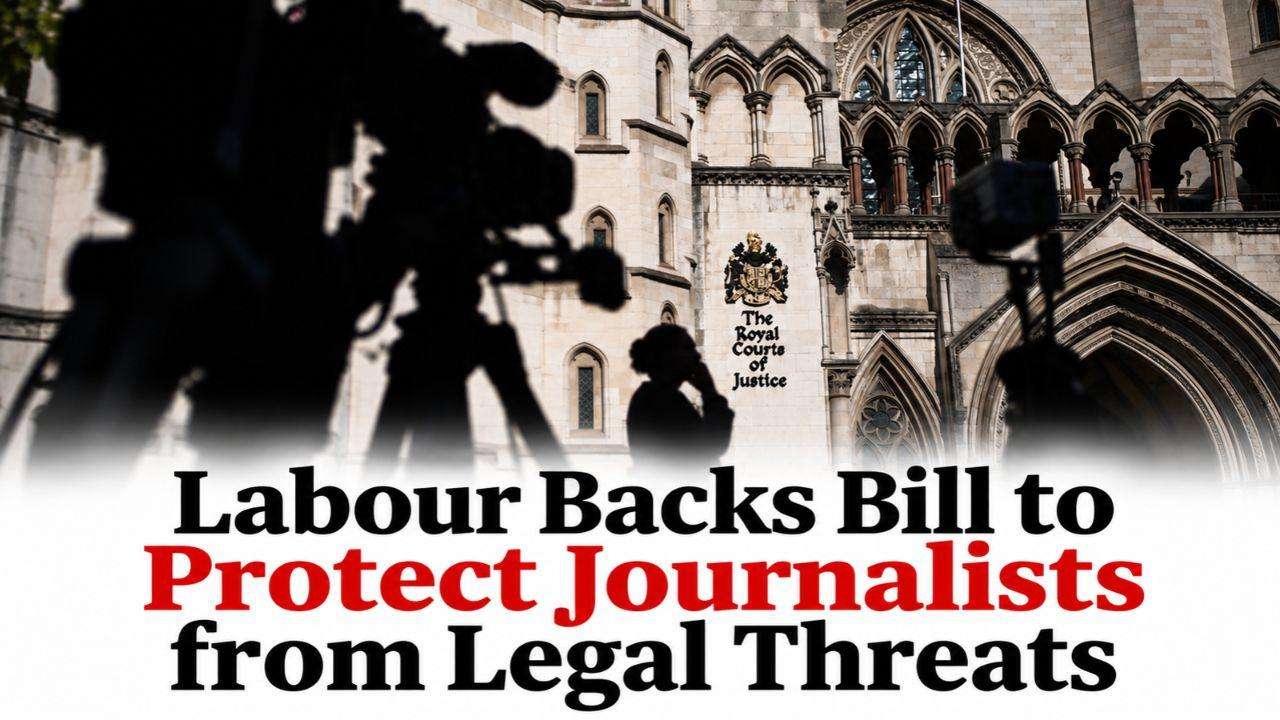
The UK Labour government has backed new legislation aimed at preventing wealthy individuals and powerful organisations from using costly legal proceedings to silence journalists, whistleblowers and people exposing wrongdoing. Justice Minister Sarah Sackman announced the government's support on Friday, endorsing a cross-party private member's bill sponsored by Conservative MP Sir John Whittingdale to tackle Strategic Lawsuits Against Public Participation (SLAPPs).
The proposed legislation seeks to identify and dismiss abusive legal claims at an early stage, before defendants are forced to incur substantial legal costs. The move represents a significant step towards strengthening press freedom, protecting whistleblowers and ensuring that the threat of litigation cannot be used to discourage legitimate public-interest reporting.
Poundland Collapses, 11,000 Jobs at Risk
Speaking to The Guardian, Sackman said the justice system should protect people seeking accountability rather than become a tool for intimidation.
"Our legal system should be a route to justice, not a weapon of intimidation, used to evade scrutiny, suppress reporting or discourage people from speaking the truth," she said.
Sackman announced the government's position following the bill's second reading in Parliament on Friday. She argued that wealthy individuals and powerful organisations sometimes exploit the financial pressure of legal proceedings to prevent uncomfortable information from becoming public.
"Speaking out against wrongdoing takes courage, whether you're a journalist exposing corruption, a whistleblower or a victim finding the strength to talk about abuse," she said.
She added that some claimants use the prospect of expensive litigation not necessarily because they expect to win, but because the legal process itself can impose considerable financial and emotional pressure on those they target.
Labour's backing gives Whittingdale's bill a stronger chance of progressing through Parliament. However, private members' bills frequently encounter difficulties securing parliamentary time and completing all stages required to become law.
Whittingdale said he was delighted to work with the justice minister on a cross-party basis to secure the widest possible support for measures addressing abusive litigation.
Strategic Lawsuits Against Public Participation, commonly known as SLAPPs, are legal proceedings allegedly brought to intimidate critics, journalists, campaigners or whistleblowers and discourage them from speaking publicly about matters of legitimate interest.
Such cases can involve wealthy individuals or organisations threatening defamation proceedings or other legal action against people who lack the financial resources to defend themselves.
The proposed bill establishes three tests for identifying abusive litigation. Defendants must demonstrate that their dispute concerns a matter of public interest, that the claimant's conduct restricts their right to freedom of speech, and that the proceedings are intended to cause harm beyond the ordinary consequences of litigation.
If a case meets the relevant criteria, the court could dismiss it at an early stage, potentially preventing defendants from facing lengthy and expensive legal proceedings.
However, establishing a claimant's intention could prove particularly difficult. Critics argue that defendants might effectively have to undergo a mini-trial simply to demonstrate that a lawsuit is abusive, undermining the legislation's central purpose.
Despite welcoming the government's support for new protections, the UK Anti-Slapp Coalition has raised concerns about the bill's proposed early dismissal mechanism.
The coalition has warned that the current wording could make it difficult for defendants to secure early dismissal, while exposing them to additional financial risks.
It said the legislation could make a significant difference to people's lives, but only if its protections work effectively in practice.
The organisation believes the proposed mechanism is too complicated, sets an excessively high threshold and could discourage victims of abusive litigation from seeking protection.
The coalition has indicated its willingness to work with ministers to strengthen the legislation before it completes its parliamentary journey.
Labour MP Apsana Begum has also argued that the proposed legislation needs further improvements. Speaking during Friday's parliamentary debate, Begum, who has spoken publicly about surviving financial abuse, called for stronger safeguards against legal costs and greater powers for judges to identify and dismiss SLAPP cases without waiting for defendants to initiate the process.
She warned that the bill could represent Parliament's best opportunity to establish meaningful protections for survivors of abuse and people facing intimidation through legal proceedings.
Her intervention highlights concerns that legislation intended to protect vulnerable defendants could remain ineffective if those targeted still face substantial financial barriers when challenging abusive claims.
The government, however, is understood to believe that the current draft strikes an appropriate balance between preventing abusive litigation and preserving legitimate access to justice.
The latest proposal follows several unsuccessful attempts to introduce broader anti-SLAPP protections in the UK.
An earlier private member's bill sponsored by Labour MP Wayne David received cross-party support and backing from the previous Conservative government. However, it failed to complete its parliamentary passage before the 2024 general election.
Later that year, Prime Minister Keir Starmer promised further legislation, although the government did not subsequently introduce its own comprehensive bill.
Some protections were introduced through legislation in 2023, but these apply only to cases involving allegations of economic crime. Whittingdale's proposed legislation seeks to extend protections to a wider range of public-interest issues, including sexual abuse, corruption and other wrongdoing.
The debate over the misuse of legal threats has also attracted renewed attention following allegations against comedian David Walliams, which he denies, and the conviction of Russell Brand for rape and sexual assault.
The government's backing of the bill comes alongside a separate commitment to reform non-disclosure agreements (NDAs), with the aim of preventing them from being used to conceal criminal activity.
Together, the proposed changes reflect growing political attention towards the ways legal and financial pressure can prevent victims, journalists and whistleblowers from exposing misconduct.
For the proposed anti-SLAPP legislation, however, its ultimate effectiveness will depend on whether courts can identify abusive proceedings quickly, affordably and consistently.
Although Labour's support has improved the bill's parliamentary prospects, campaigners warn that passing legislation alone will not guarantee meaningful protection. The practical test will be whether journalists, whistleblowers and other public-interest defendants can challenge intimidation without facing the very financial risks the legislation is intended to prevent.