





.svg)
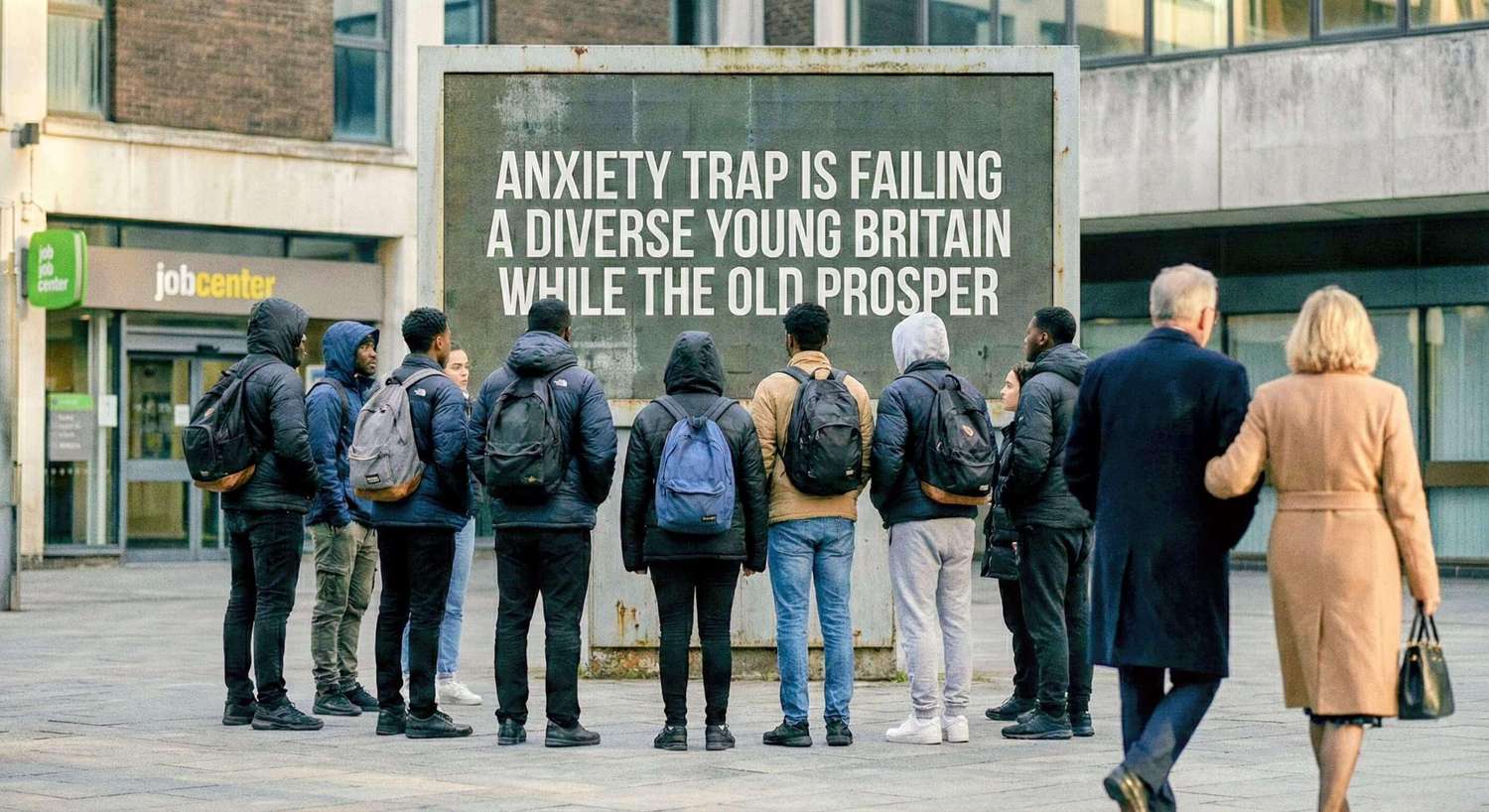
Britain is sleepwalking into a "moral, social and economic crisis," effectively writing off a generation of young people to a life on benefits, warns the government's new work tsar. But a deeper analysis by Daily Dazzling Dawn reveals an uncomfortable double-edged sword: while successive governments have poured billions into protecting the predominantly White British older generation, a younger, far more diverse cohort is being abandoned to a "downward escalator" of anxiety, diagnosis, and economic inactivity.
The ‘Normalisation’ of Anxiety- Alan Milburn, the former Labour cabinet minister recently appointed as the government's work tsar, has issued a blistering verdict on the state of the nation’s youth. Speaking to The Times, Milburn warned that the UK faces a "lost generation" of nearly one million people aged 16-24 who are not in employment, education, or training (NEETs).
His central argument is stark: the conflation of "normal" life struggles with medical conditions is trapping young people in the welfare system.
"Anxiety is normal. Depression is normal," Milburn argued, noting that under current broad definitions, 83 per cent of the adult population could technically be classified as having a mental health condition. "There’s a difference between a diagnosis and a disorder... people might have anxiety or depression, but it doesn’t mean that therefore you should be written off for not being able to work."
Milburn describes a systemic failure starting in schools, where one in five pupils receives a Special Educational Needs (SEND) diagnosis. This often triggers a transition to Child Disability Allowance, and eventually, Adult Personal Independence Payments (PIP)—a trajectory he calls a "downward escalator" leading to a life on benefits.
A Demographic Time Bomb: The Old vs. The Young- To fully understand Milburn's "moral crisis," one must look at the data successive governments have ignored. Milburn explicitly criticized the choice to invest in older generations via policies like the pensions triple lock, at the expense of the young.
Daily Dazzling Dawn’s analysis of the latest Census and demographic data lays bare exactly who these "winners" and "losers" are:
The Protected Class (The Old): The median age of the White British population is 45 years old, making it the oldest major ethnic group in the UK. By prioritizing pensioners, the state has disproportionately funnelled wealth to a demographic that is overwhelmingly White British.
The Neglected Class (The Young): In stark contrast, the median age for the Bangladeshi community is just 27, the Pakistani community is 28, and for those of Mixed ethnicity, it is just 19.
The "lost generation" Milburn speaks of is not just younger; it is the face of modern, diverse Britain. By slashing investment in youth services, education, and vocational training while ring-fencing pensions, the state has effectively prioritized the comfort of an aging, largely White population over the future of its younger, multi-ethnic workforce.
The Benefit Trap: Shattering Myths- While the younger generation is more diverse, the crisis of economic inactivity cuts across all lines, devastating the White working class just as fiercely as minority communities.
Despite the changing face of youth demographics, the latest Department for Work and Pensions (DWP) statistics for 2025 show that 76.4% of people on Universal Credit are from the White ethnic group.
This data dismantles the lazy political narrative that the benefits crisis is solely an issue of integration or specific minority communities. The "anxiety trap" is hitting White British youth in de-industrialized towns just as hard as it hits young Black and Asian Britons facing structural unemployment barriers.
Unemployment Disparity: While the White youth struggle with the "sickness" label, minority youth face a harder wall of unemployment. Recent data indicates an unemployment rate of 8.8% for ethnic minorities compared to just 4.3% for their White counterparts.
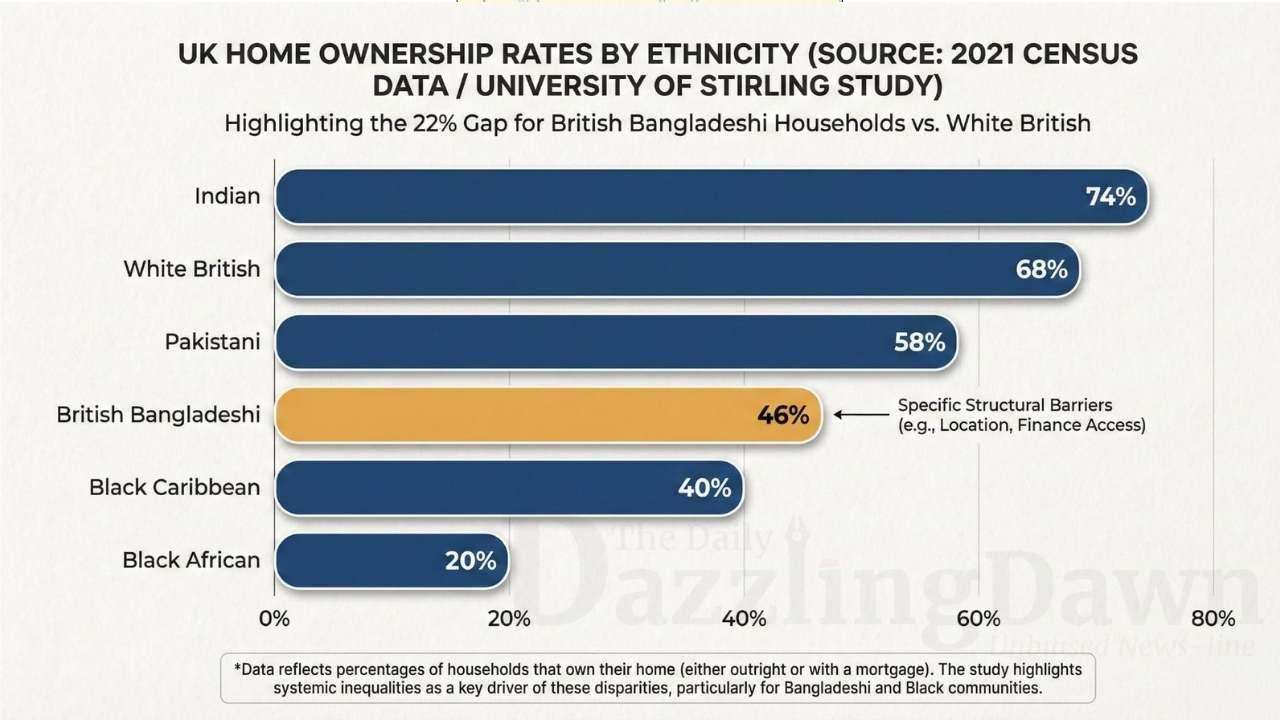
The Bangladeshi Paradox: British Bangladeshi youth face a unique hurdle. While possessing high aspirations, those from lower working-class backgrounds face a NEET rate of roughly 22%, significantly higher than the national average.
The Verdict: A System on Autopilot-Milburn’s review, set to report in the summer, highlights that nearly a third of NEETs are now signed off for sickness or disability, with mental health or autism cited as the main condition.
"If you’re on benefits and not in work in your twenties, you’re probably not going to be in work in your thirties," Milburn warned.
The statistics confirm a grim reality: Britain is protecting the past at the expense of its future. Unless the government pivots from "managing" sickness to actively investing in this diverse, youthful workforce, the "lost generation" will not just be a headline—it will be a permanent economic scar.