
_2.jpg)




.svg)
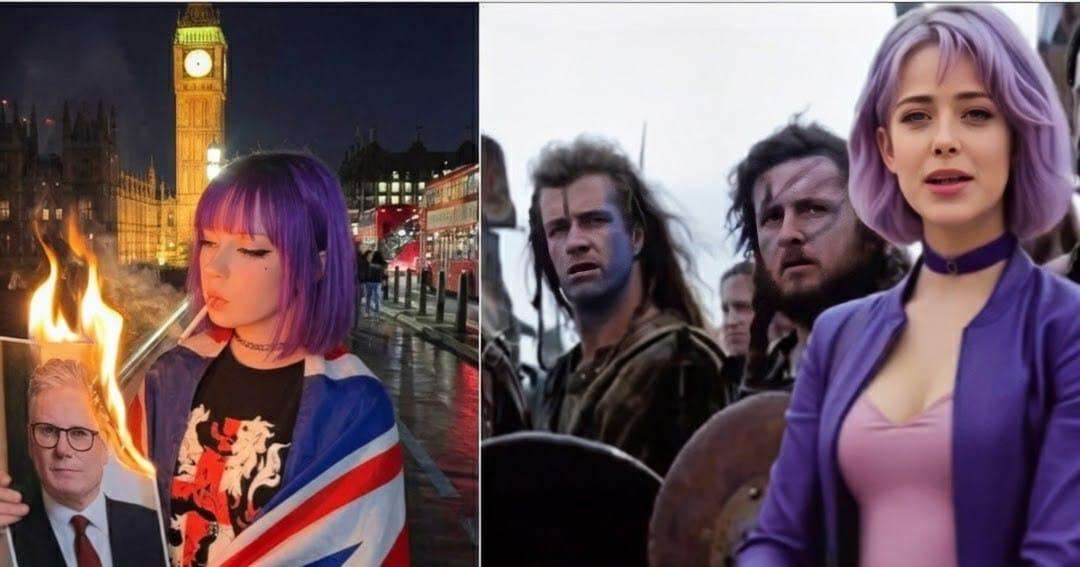
In what modern political analysts are calling the ultimate case of the "Streisand Effect," the British Home Office finds itself at the center of a digital storm that illustrates the widening gap between bureaucratic intent and internet culture. The subject of this controversy is Amelia, a purple-haired, AI-generated "goth girl" who has rapidly transitioned from a government-funded educational tool to a viral figurehead for the far-right.
The irony is palpable. Amelia was originally conceived by the media literacy group Shout Out UK, funded by the Home Office, as a character in "Pathways." This educational game was designed to steer teenagers in Yorkshire away from radicalization. Instead, through the chaotic alchemy of X (formerly Twitter) and generative AI, she has been repurposed. The character designed to warn against "militant Muslims" and "third-world migrants" as a cautionary tale has been embraced by the very demographic she was meant to critique, who have adopted her warnings not as red flags, but as endorsements.
The Mechanics of a Viral Hijacking
The transformation of Amelia from a distinct educational asset to a global meme highlights a dangerous new frontier in digital warfare. Utilizing widely available AI tools like Grok, internet users have stripped Amelia of her original context. She is no longer a localized educational avatar but a versatile mascot for nationalist sentiments. The speed of this proliferation is staggering, moving from a niche curiosity to over 10,000 generated images a day in less than a week.
This phenomenon has transcended simple image sharing. The "Ameliaposting" trend has birthed a complex ecosystem involving international users who may not even understand the specific British political nuances but recognize the character's utility as a symbol of rebellion against mainstream narratives. The situation escalated dramatically when Elon Musk retweeted content related to an "Amelia" cryptocurrency, instantly moving the meme from political subculture to the volatile world of speculative finance. This monetization of hate proves that modern extremism is not just ideological but creates financial incentives for content creators to push the envelope of acceptable discourse.
Political Fallout and the Safety of Creators
The impact on British politics is twofold. First, it exposes a severe lack of foresight within government-funded digital initiatives. Critics are already asking how a character designed with such a specific "alternative" aesthetic—one that historically appeals to certain internet subcultures—was approved without anticipating this potential for subversion. The Home Office’s attempt to distance itself by claiming the project was "delivered independently" does little to quell the narrative that the government is out of touch with the realities of the modern internet.
Ex-Labour candidate jailed: Who is British-Bangladeshi fraud Amran who wanted to become MP?
Second, the human cost is mounting. Shout Out UK and its founder, Matteo Bergamini, are facing a deluge of harassment and death threats. This shifts the story from a bizarre internet trend to a genuine safety concern, raising questions about the liability of creating digital personas in a polarized era. The controversy suggests that future government educational programs will likely retreat from character-driven narratives, fearing similar hijacks.
The Weaponization of Aesthetics
What makes the Amelia phenomenon particularly potent is the "cute" aesthetic. By wrapping hardline nationalist and racist rhetoric in the guise of a stylized, anime-adjacent schoolgirl, the far-right is able to bypass the immediate mental defenses most people have against hate speech. It softens the delivery of extreme messages, making them more palatable and shareable for a younger demographic, specifically young men.
This aesthetic shielding allows the content to remain on platforms that might otherwise ban overt hate speech. It is a sophisticated evolution of the "Pepe the Frog" phenomenon, but turbocharged by the capabilities of generative AI which allows for infinite, instant variations of the character in any scenario—from eating pork sausages in front of protesters to burning portraits of the Prime Minister.
What Comes Next for British Society
We are likely witnessing the beginning of a prolonged legislative headache. The Amelia incident will almost certainly accelerate calls for stricter regulation regarding AI-generated imagery and the culpability of platforms that host them. However, with the meme already breaking out of English-speaking silos and gaining traction internationally, the genie is well and truly out of the bottle.
In the coming weeks, we can expect this digital skirmish to manifest in the real world. There is a high probability that the Amelia imagery will begin appearing at physical protests and marches, serving as a shibboleth for the "dissident" right. For the British government, the challenge is no longer just about stopping the boats or managing the economy; it is about navigating a reality where their own funded assets can be weaponized against them by an army of anonymous animators. The Amelia paradox is a stark warning: in the age of AI, once you put a face on the internet, you lose ownership of it forever.