.jpg)





.svg)
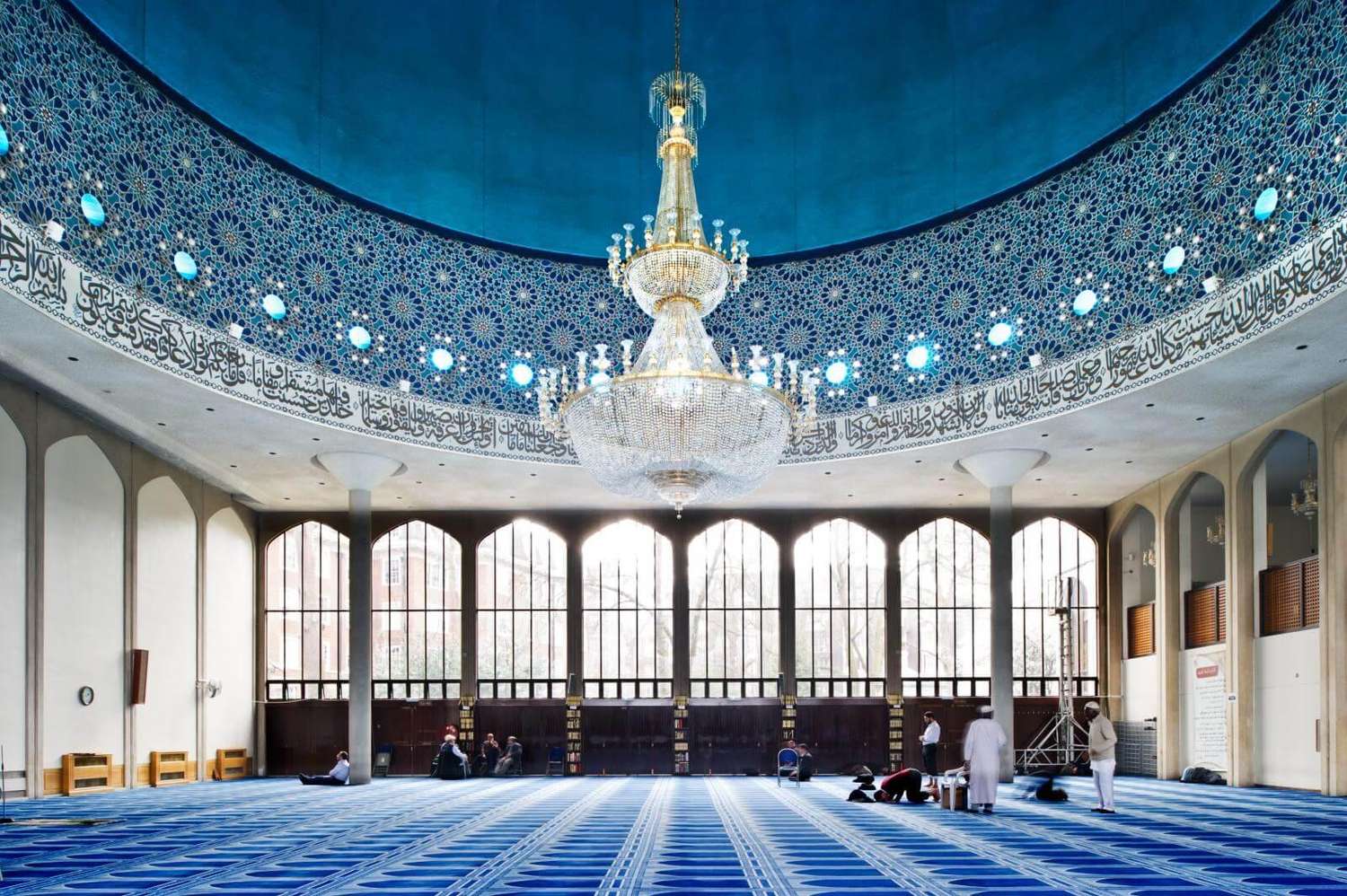
A court in India’s Madhya Pradesh state has ruled that the centuries-old Kamal Maula Mosque in Dhar is a Hindu temple, intensifying concerns among Muslims over growing disputes targeting Islamic religious sites across the country.
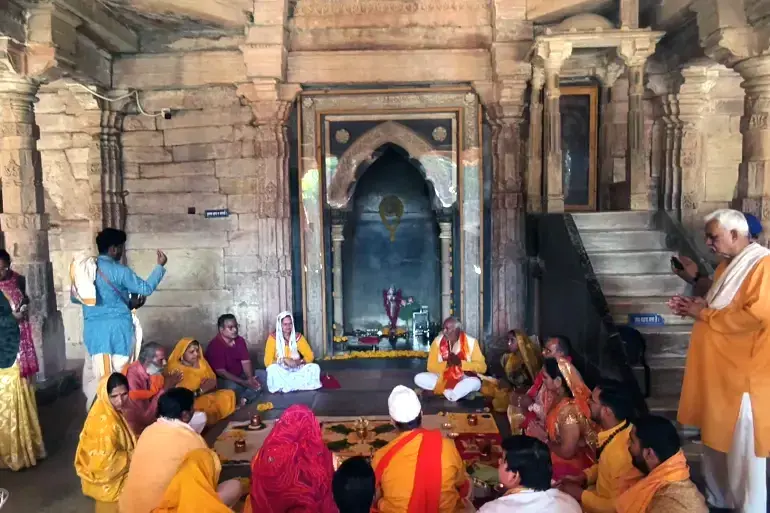
The Madhya Pradesh High Court declared the disputed Bhojshala complex a temple dedicated to the Hindu goddess Vagdevi, ending decades of shared religious access between Hindus and Muslims at the protected archaeological site.
For 78-year-old Mohammad Rafiq, who served as the mosque’s muezzin for nearly five decades, the verdict marked a painful turning point. “Until last Friday, our mosque was ours; today it is not,” he said.
Following the ruling, Hindu worshippers gathered at the site carrying saffron flags linked to the Hindutva movement, while temporary idols were installed under heavy police security.
The dispute over the Bhojshala complex dates back decades. Under a 2003 arrangement overseen by India’s Archaeological Survey of India (ASI), Hindus were permitted to worship there on Tuesdays, while Muslims offered Friday prayers at the mosque.
The court relied heavily on an ASI survey conducted two years ago, concluding that a Hindu temple existed at the site before the mosque. Muslim groups rejected the findings and announced plans to challenge the verdict in India’s Supreme Court.
Historians and legal experts criticised the judgement, arguing that it undermines India’s Places of Worship Act, 1991, which freezes the religious character of places of worship as they existed at independence in 1947.
Historian Audrey Truschke described the growing campaign against mosques as part of “entrenched Islamophobia” linked to Hindu nationalism.
Meanwhile, Hyderabad MP Asaduddin Owaisi said the ruling echoed the controversial 2019 Supreme Court verdict on the demolished Babri Mosque in Ayodhya, warning that it could encourage further claims against historic mosques across India.
Since Prime Minister Narendra Modi and his Bharatiya Janata Party (BJP) rose to power in 2014, Hindu nationalist groups have increasingly pursued claims that several mosques were built over ancient temples.
The Babri Mosque demolition in 1992 remains one of India’s most divisive religious flashpoints. In recent years, similar disputes have emerged over the Gyanvapi Mosque in Varanasi and the Shahi Eidgah Mosque in Mathura.
As celebrations continued at the Dhar site after the ruling, Hindu activists described the verdict as a victory for “Hindu civilisation”, while Muslim leaders warned that the decision deepens fears over the future of religious minorities in India.