


.jpg)


.svg)
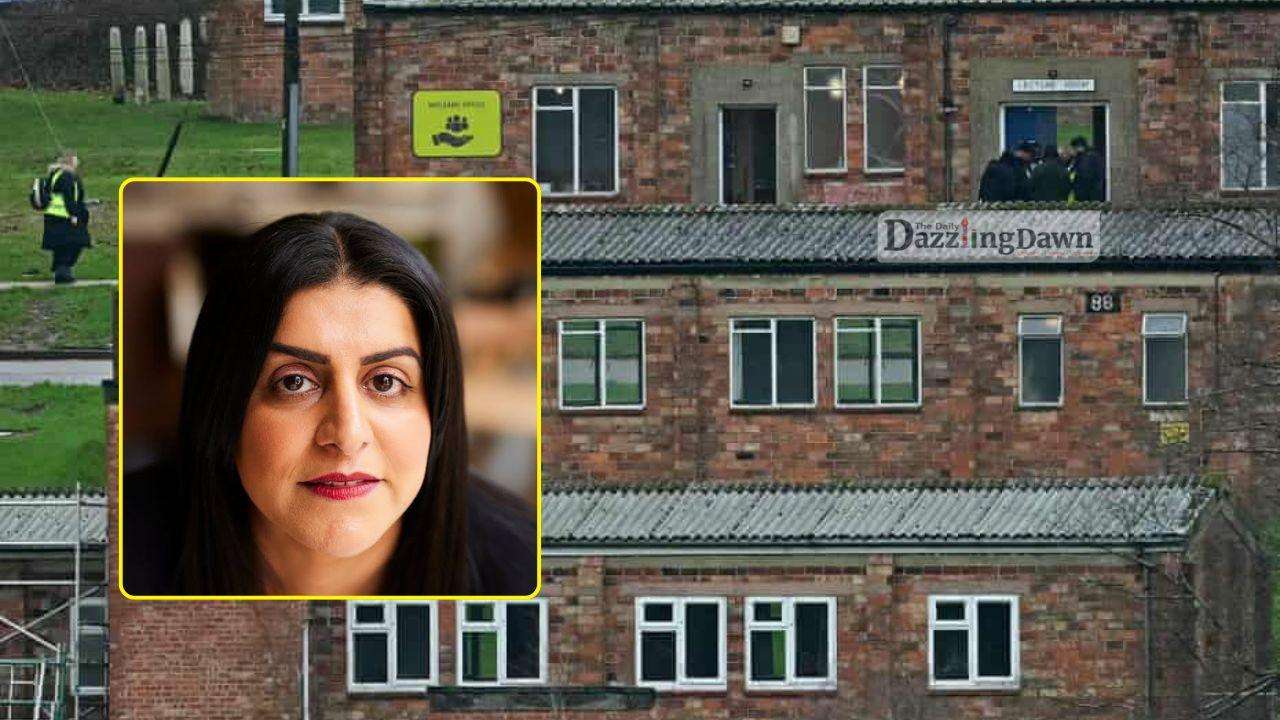
In a landmark decision that fundamentally disrupts the government's long-term immigration strategy, the High Court has ruled that the Home Office acted unlawfully by forcing vulnerable survivors of torture, trafficking, and systemic violence to share accommodation with strangers. The judgment represents a significant legal and administrative hurdle for Home Secretary Shabana Mahmood, whose broader legislative plans heavily rely on transitioning thousands of asylum seekers out of expensive hotels and into dense, shared dormitories on repurposed Ministry of Defence land.
The legal challenge, successfully mounted by the charities Freedom From Torture and the Helen Bamber Foundation, targeted a critical policy shift originally introduced in February 2024 under the previous administration. Prior to that shift, a protective presumption existed within civil service guidelines ensuring that individuals documented to have undergone severe psychological, physical, or sexual trauma would be spared shared room assignments. The current government’s decision to maintain and expand this policy without proper consultation or evidence-based impact reviews has now been deemed a serious breach of public law duties by Mr Justice Sweeting.
The Hidden Dimensions of the Court’s Decision
Beyond the immediate administrative halt, the ruling exposes an institutional failure to evaluate the profound psychological re-traumatisation experienced by survivors when placed in close, unmonitored proximity with unfamiliar individuals. Legal arguments presented during the judicial review highlighted that forcing victims of state-sponsored violence or human trafficking into shared quarters directly exacerbates severe post-traumatic stress disorder, night terrors, and acute panic conditions.
The court noted that the executive branch chose to alter these safeguarding protocols despite decades of consistent, empirical evidence demonstrating the high risk of psychiatric harm. Legal experts speaking on the matter indicated that the ruling essentially mandates a return to rigorous clinical individual assessments before any accommodation assignments are penalised by bureaucratic expediency.
The Operational Fall-Out and Next Steps
The Home Office now faces an immediate operational dilemma: it must either revert entirely to the pre-2024 protective guidelines or suspend its wider dormitory rollout until a comprehensive, statutory consultation process is executed. This process would require the government to seek expert evidence from medical stakeholders, publish an exhaustive equality impact assessment, and legally justify any future attempts to dilute room-sharing exemptions.
Compounding these structural challenges, internal figures indicate that approximately 350 individuals have already been moved into the controversial repurposed facility at Crowborough Training Camp in East Sussex. Concurrently, efforts to open similar large-scale quarters at Cameron Barracks in Inverness have run into severe logistical and administrative delays. While the Home Office maintains that strict health and safety protocols are active across all sites, the judgment effectively curtails the pace at which existing facilities can be filled.
Furthermore, the state's broader asylum infrastructure faces additional scrutiny following the separate announcement of a £322,000 contract awarded to an IT enterprise to deploy artificial intelligence facial recognition algorithms to verify the age of unaccompanied minors. This parallel technological initiative is already drawing criticism from oversight bodies, citing previous inspectorate findings that warning against the reliance on automated mechanisms over comprehensive human expert evaluation.
High-Density Implications for the Asylum Pipeline
The wider ramifications of this judgment will directly influence the viability of the government's legislative timeline. If thousands of individuals must now be legally exempted from shared barracks and high-density regional hubs due to documented vulnerability, the reliance on commercial hotel accommodation will likely persist far longer than originally projected, impacting budgetary forecasts and public spending allocation.
An investigation by Daily Dazzling Dawn has highlighted the growing concern among human rights advocates regarding the specific demographics caught in these shifting administrative frameworks. While the court's ruling applies universally to all documented survivors of torture, data shows that a notable proportion of those currently navigating the UK's high-density accommodation pipeline includes nationals from South Asian nations, including Bangladesh, alongside West African and Middle Eastern claimants. Observers note that language barriers and varying access to specialized legal representation often complicate how quickly trauma histories are officially recognized for these specific groups under fast-tracked system protocols.
Moving forward, the Home Office is expected to conduct an urgent audit of its current accommodation manifests to identify individuals who meet the threshold of the court's ruling, while legal teams draft new consultation frameworks to prevent a total stagnation of the state's asylum estate restructuring plans.

_1.jpg)