






.svg)
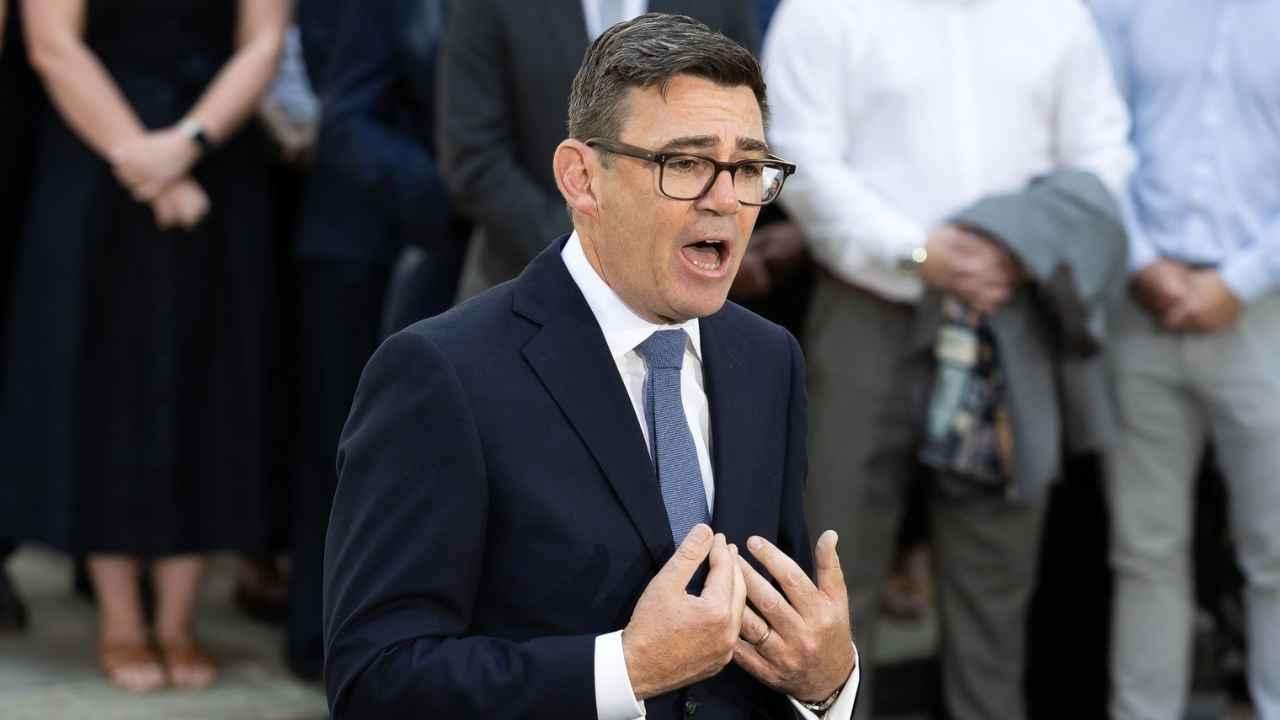
Prime Minister Andy Burnham has announced the abolition of Value Added Tax (VAT) on household electricity bills, delivering the first major policy of his new administration aimed at easing the UK's ongoing cost-of-living pressures.
The measure, which is scheduled to take effect from October, is expected to lower the average annual electricity bill by approximately £45 for households across Britain. The announcement comes just one day after Burnham entered Downing Street, where he pledged to provide families with immediate financial relief and restore confidence in government.
In a statement released on Tuesday, Burnham said the decision reflected his promise to offer practical support to people struggling with rising living expenses.
"I said I wanted to give people breathing space, and that's exactly what we're doing. We're taking immediate action to reduce energy costs, leave more money in people's pockets, and restore hope for working families," the Prime Minister said.
Newly appointed Chancellor John Healey described the tax cut as the government's first step in addressing household financial pressures ahead of the winter months.
Judge Condemns Councillor Over Character Reference for Teenage Knife Attacker Azhar Alizaib
"This reduction in energy taxes will provide meaningful relief for families facing higher living costs and offer greater certainty as colder weather approaches," Healey said.
The VAT removal represents Burnham's first significant economic intervention since taking office. During his inaugural address, he outlined an ambitious programme focused on tackling the cost-of-living crisis, reforming essential public utilities, and addressing homelessness.
Officials at Downing Street said the electricity VAT cut would cost the Treasury around £850 million during the 2026–27 financial year.
To finance the measure, the government plans to cancel the proposed digital ID programme, a move expected to generate approximately £1.8 billion in savings over three years. Treasury officials have indicated that detailed financial projections will be presented during the Chancellor's first Budget later this year.
The government has indicated that additional cost-of-living initiatives are under review. Among the proposals reportedly being considered are a reduction in the national cap on bus fares and a temporary freeze on private-sector rents, although no final decisions have yet been announced.
Economic advisers also argue that removing VAT from electricity will strengthen incentives for households to adopt electric heat pumps, as the policy narrows the price difference between electricity and gas, supporting the UK's broader transition to cleaner energy.
The VAT exemption will not apply in Northern Ireland, where electricity taxation remains subject to obligations under existing EU-related tax arrangements.
However, the UK government said it will provide the Northern Ireland Executive with equivalent funding, allowing the devolved administration to introduce its own measures to help residents cope with rising living costs.
Further details of Burnham's wider economic strategy and long-term plans to reduce household expenses are expected when Chancellor Healey delivers the government's Budget later this year.