.jpeg)
.jpg)





.svg)
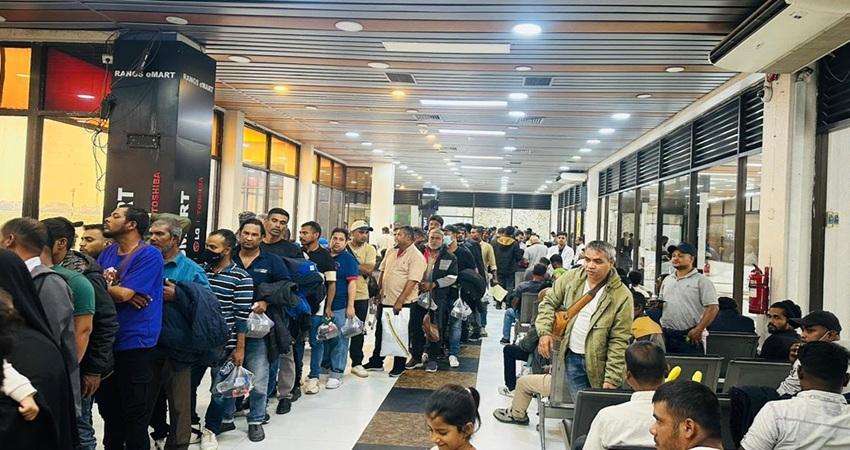
A total of 309 Bangladeshi nationals returned home from Libya on Thursday in a large-scale repatriation effort jointly coordinated by the Government of Bangladesh, the Libyan authorities, and the International Organization for Migration (IOM).
According to a statement issued by the Ministry of Foreign Affairs, the returnees arrived at Hazrat Shahjalal International Airport in Dhaka aboard a chartered flight arranged under a collaborative initiative between the Embassy of Bangladesh in Tripoli, the Ministry of Foreign Affairs, and the Ministry of Expatriates' Welfare and Overseas Employment.
Victims of Trafficking and Exploitation
Officials said most of the returnees had been lured to Libya by human trafficking syndicates who promised lucrative jobs and eventual entry into Europe through the perilous Mediterranean route. Once in Libya, many found themselves trapped in a cycle of exploitation, abuse, and detention.
"These individuals are victims of false promises and organized criminal networks operating across borders," a senior official at the Foreign Ministry told The Daily Dazzling Dawn. "They endured extreme hardship, including abduction, extortion, and torture, at the hands of traffickers."
Several returnees recounted being held captive in makeshift detention centers and tortured until their families paid ransoms back home. Libya, a major transit point for irregular migration to Europe, has long been a hotspot for trafficking due to its unstable political situation and porous borders.
Humanitarian Support and Reintegration
At the airport, representatives from the Foreign Ministry, the Ministry of Expatriates’ Welfare, and IOM greeted the returnees. Each received immediate humanitarian assistance, including food, water, and basic medical care.
The IOM said in a statement that it remains committed to supporting the safe return and reintegration of migrants stranded in conflict zones or trapped in exploitative situations abroad. “Repatriation is only the first step. Sustainable reintegration, psychosocial support, and public awareness are key to preventing further exploitation,” the organization noted.
The Ministry of Foreign Affairs urged the returnees to share their stories with local communities to raise awareness about the grave dangers of illegal migration. “We call on all Bangladeshis to reject the false promises of traffickers who profit from the desperation of job seekers,” the ministry’s statement said.
A Persistent Challenge
Human trafficking and irregular migration remain pressing challenges for Bangladesh, where thousands of people attempt to migrate to Europe and the Middle East each year through unofficial channels. According to recent IOM data, hundreds of Bangladeshi migrants remain stranded in Libya and other North African countries, often living in deplorable conditions without legal protection.
The government has reiterated its commitment to working with international partners to combat trafficking networks and expand legal migration pathways for Bangladeshi workers.
“This repatriation marks another step in our ongoing effort to protect Bangladeshi citizens abroad and bring them home safely,” the foreign ministry said.
As the returnees begin their journey toward recovery, authorities and aid organizations are calling for stronger action against the transnational trafficking rings that continue to exploit vulnerable migrants — and for renewed awareness among communities at risk.