






.svg)
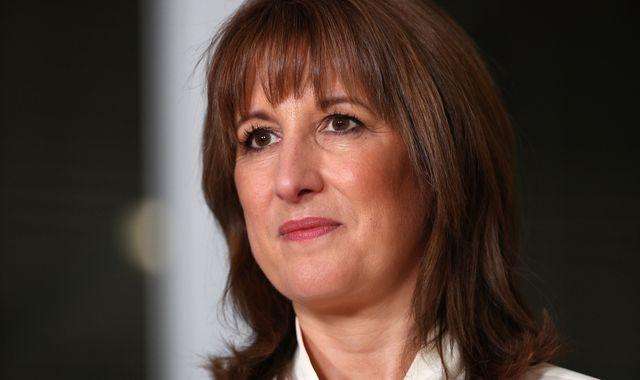
The era of cheap electric motoring appears to be drawing to a close as millions of drivers face a triple financial blow that threatens to derail the government’s green agenda. Leaked documents from the Office for Budget Responsibility (OBR) have revealed that Chancellor Rachel Reeves is preparing to introduce a controversial pay-per-mile tax on electric vehicles (EVs) from April 2028. This new levy, combined with the looming removal of London congestion charge exemptions and fears over the long-term reliability of budget imports, has sparked a fierce debate over whether driving in the UK is fast becoming the preserve of the wealthy.
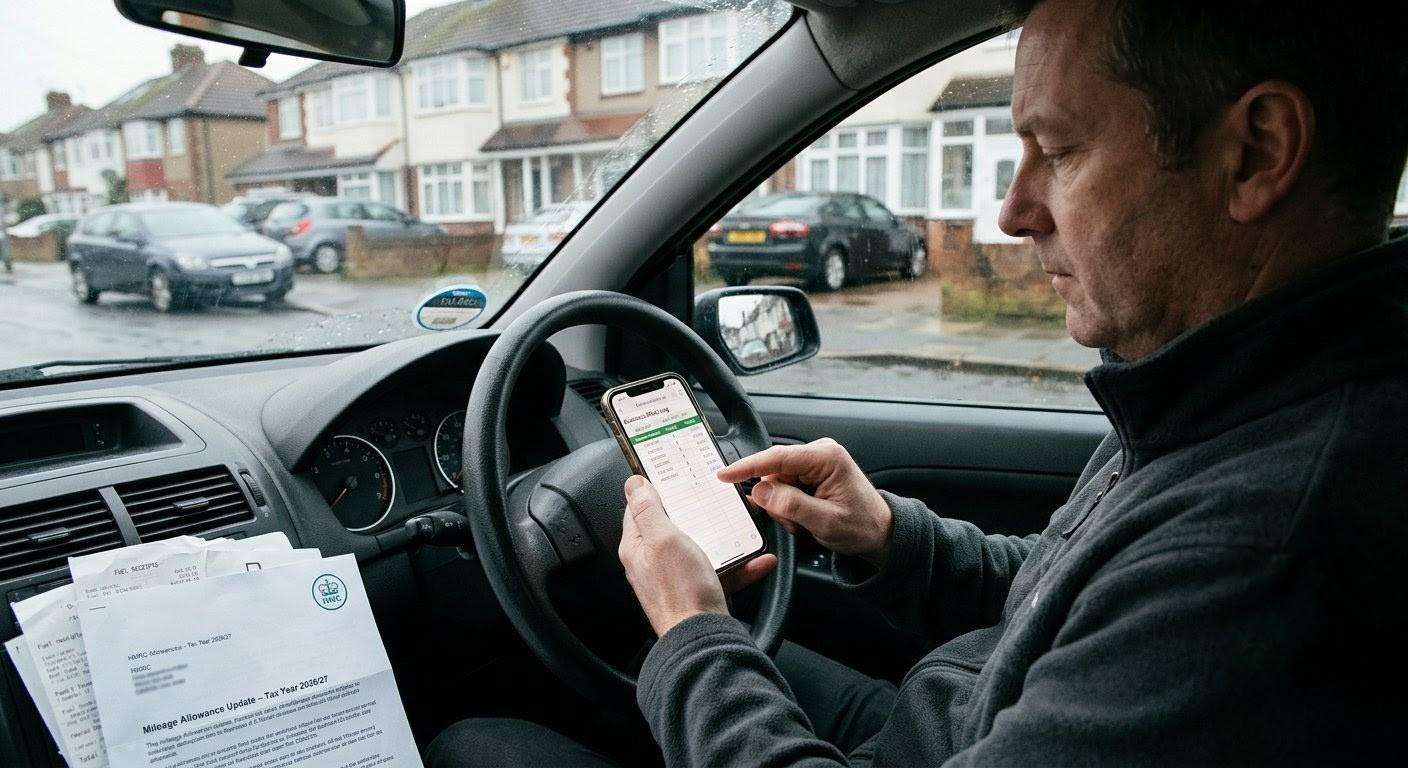
The new taxation system marks a significant shift in Treasury policy as it attempts to plug the multi-billion pound black hole created by declining fuel duty revenues. Under the plans, drivers of battery-electric vehicles will be charged 3p per mile, while plug-in hybrids will face a rate of 1.5p per mile. For an average motorist covering 8,500 miles annually, this translates to an additional cost of approximately £255 to £300 per year. Crucially, this charge will be indexed to inflation, meaning the cost will rise annually, further squeezing household budgets already grappling with the cost of living crisis.
While government insiders argue that this rate remains roughly half the equivalent fuel duty paid by petrol and diesel drivers, the comparison offers little comfort to EV owners who were encouraged to switch based on promises of lower running costs. Petrol and diesel owners currently face high pump taxes, yet the introduction of a mileage tax for EVs—on top of the standard Vehicle Excise Duty—significantly narrows the savings gap. The OBR has starkly warned that this move is expected to dampen demand significantly, forecasting 440,000 fewer electric car sales by 2031 as the lifetime cost of ownership increases.
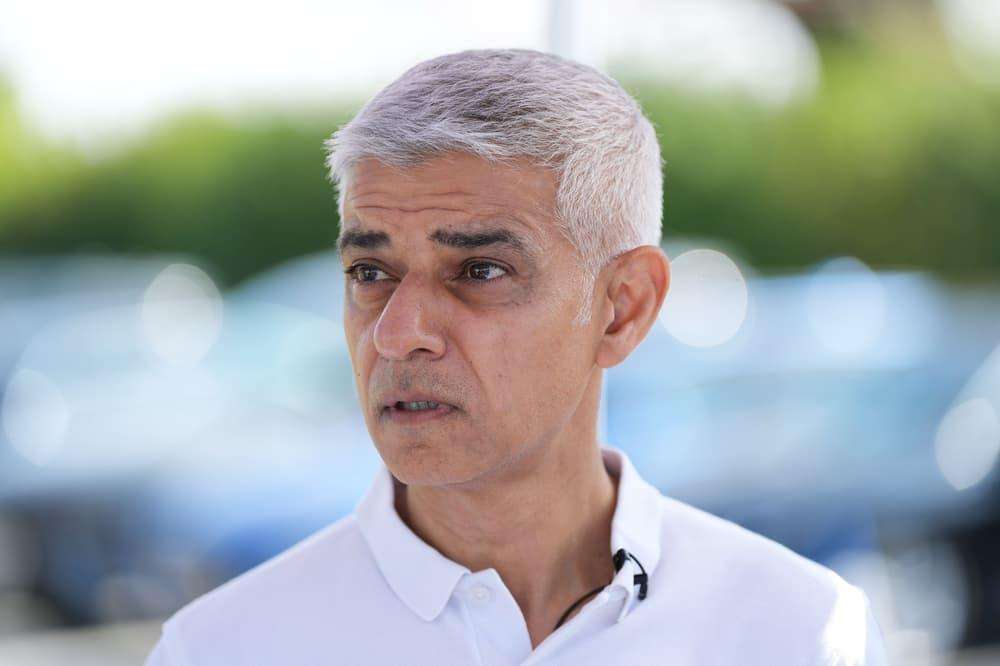
The financial pain is set to be felt most acutely in the capital. In a separate but equally damaging move for motorists, London Mayor Sadiq Khan has confirmed that the 100 per cent discount on the Congestion Charge for electric vehicles will be scrapped. From late 2025, EV drivers navigating central London will be liable for the standard £15 daily fee. For a commuter driving into the zone five days a week, this amounts to a staggering annual cost of over £3,500, effectively obliterating the financial incentives that once made electric cars the logical choice for Londoners.
Compounding these regulatory costs is a looming structural issue within the vehicle market itself: the influx of affordable Chinese electric vehicles. As the UK market opens up to budget-friendly models from new Asian manufacturers, industry experts are raising alarms regarding long-term viability. While these "non-legacy" brand cars offer an attractive entry price, owners may face exorbitant costs once the warranty period expires. Unlike established European or Japanese brands with robust supply chains, these new market entrants often suffer from scarce parts availability and proprietary software that independent mechanics cannot service. This creates a scenario where a cheap EV becomes a financial burden due to specialized, high-cost maintenance requirements, effectively trapping consumers in a cycle of disposable motoring.
Taking these factors together, a disturbing picture emerges regarding the future of UK transport. Ian Plummer, commercial director at Auto Trader, accused the Chancellor of "driving with the handbrake on," noting that the tax measures send a confusing signal to consumers. The industry consensus suggests that the UK is creating a hostile environment for motorists, where the "carrot" of green incentives has been swiftly replaced by the "stick" of taxation.
This leads to a critical question: Is the UK becoming impossible for driving? The convergence of national pay-per-mile taxes, aggressive local levies like London’s Congestion Charge and ULEZ, and the hidden risks of a budget-EV market suggests a systemic tightening of the screws on motorists. With the OBR predicting that electric cars will not overtake petrol vehicles on the roads for another decade, the government appears to be caught in a paradox—desperate for drivers to go green, yet increasingly reliant on taxing them for doing so. As 2028 approaches, the British motorist is left facing a road network where the only certainty is rising costs.