



.svg)
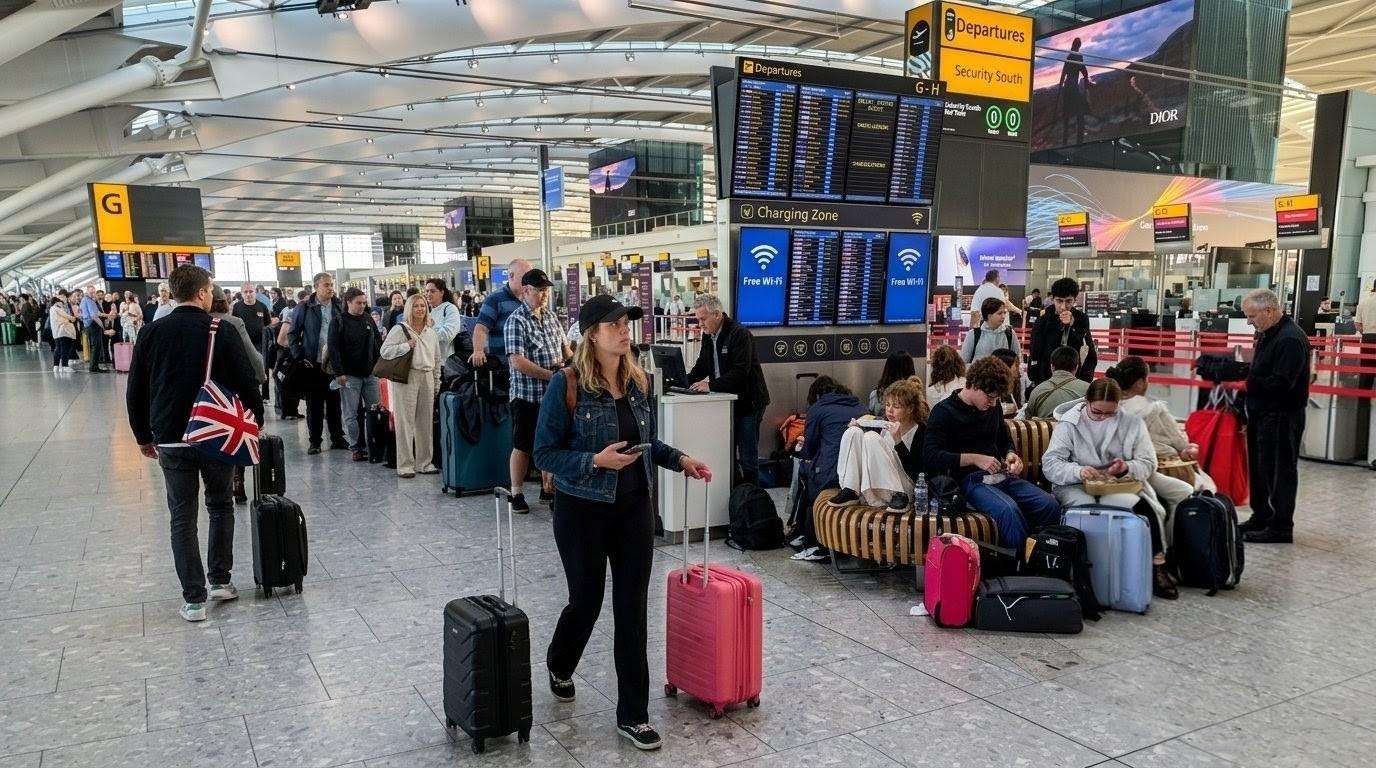
For decades, the month of December in Saudi Arabia was distinguishable from any other month only by a drop in temperature and an influx of pilgrims performing Umrah. Muslims traveling from Pakistan, Egypt, Indonesia, and beyond arrived in the Kingdom expecting a sanctuary devoid of Western secular influence, a land strictly adhering to the theological precept that there are only two festivals in Islam: Eid al-Fitr and Eid al-Adha. However, pilgrims arriving for spiritual cleansing this December may find themselves navigating a startlingly different landscape, one where the boundaries of religious identity are being blurred by the glimmer of tinsel and the scent of roasted turkey.
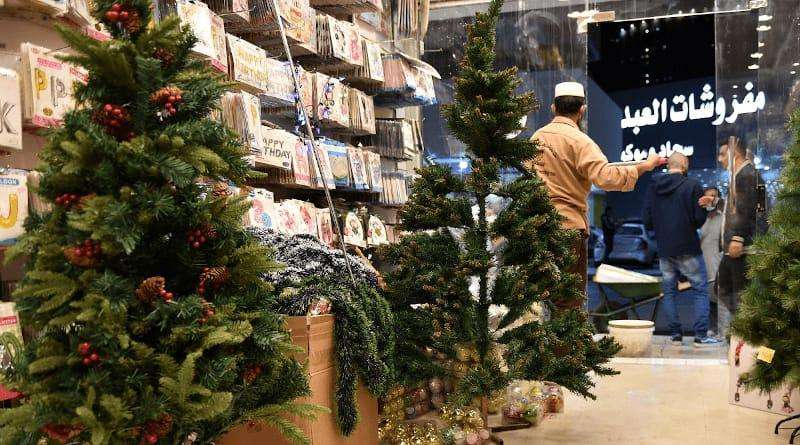
As the Kingdom races toward the goals of Vision 2030, the rapid liberalization of social norms has birthed a phenomenon previously unimaginable in the birthplace of Islam: the public embrace of Christmas. While the government stops short of officially recognizing the holiday, the capital city of Riyadh has transformed into a festive hub that mirrors the winter celebrations of London or New York. For the devout Muslim planning an Umrah trip to reconnect with the ascetic roots of their faith, the sight of Christmas trees for sale in Riyadh Park or "festive gingerbread villages" in luxury hotel lobbies may serve as a profound theological shock.
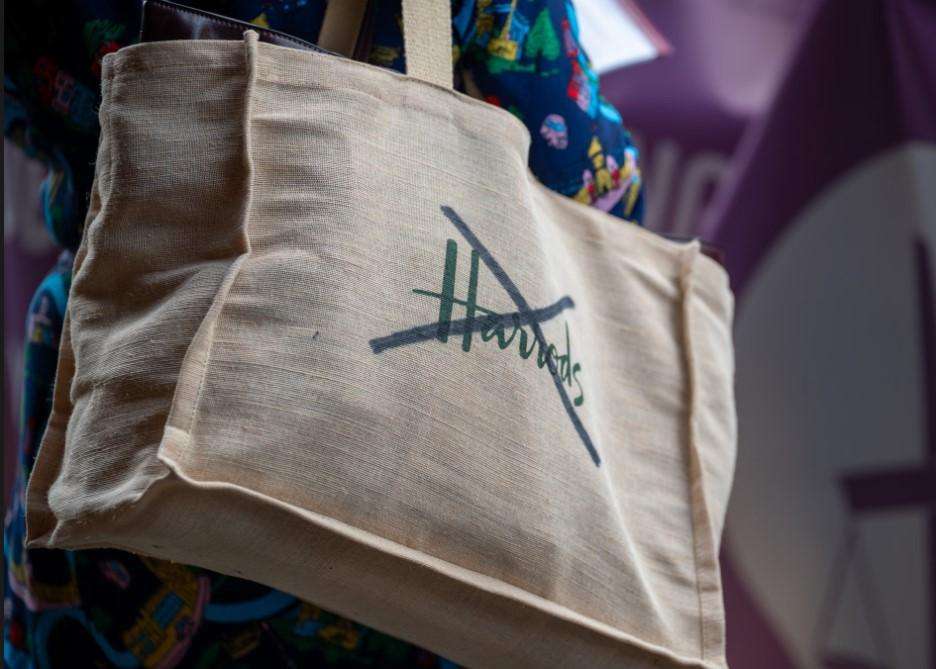
The shift is palpable and, to many Islamic scholars and conservative observers, alarming. In a country that once strictly policed the prohibition of non-Islamic symbols to preserve the doctrine of Tawhid (the oneness of God), commerce has seemingly eclipsed creed. Major retailers like West Elm and pottery barns in Granada Mall are now piled high with pre-lit spruce trees, rustic burlap ornaments, and garlands. What was once contraband smuggled in diplomatic pouches is now sold openly to Saudi citizens, normalizing a practice that classical Islamic scholarship universally categorizes as Tashabbuh—the forbidden imitation of non-Muslims.
The normalization of these festivities extends beyond mere decoration into the culinary fabric of the city. High-end establishments, including the Fairmont and the Four Seasons, are actively promoting Christmas turkey takeaways and "festive high teas." The Fairmont’s offer of a seven-kilogram bird with chestnut stuffing for SAR 1,200 ($320) caters to a wealthy elite and expatriate community, yet it signals a deeper cultural acquiescence. Critics argue that by facilitating these celebrations, the Kingdom is not merely being hospitable to foreigners but is actively importing a culture that contradicts the sanctity of the land of the Two Holy Mosques.
This cultural dissonance is perhaps most visible in the state-sponsored entertainment districts. In the Boulevard World’s Courchevel Zone, artificial snow drifts from the ceiling and music fills the air, encouraging a generation of Saudi youth to partake in the "cozy winter vibes" of a holiday rooted in Christian theology. Interviews with local residents suggest that for many young Saudis, the adoption of these customs is driven by a desire for global integration and aesthetic curiosity rather than religious conviction. However, this defense does little to assuage the concerns of the global Muslim community, who view the Holy Land as the last bastion against the secularization of Islamic values.
The criticism from the wider Muslim world is rooted in the fear of dilution. When a Muslim family saves for years to visit the House of God, they do not expect to encounter the commercial trappings of a holiday that Islamologically contradicts the Quranic view of divinity. The juxtaposition of the Adhan (call to prayer) echoing against a backdrop of festive lights in Riyadh creates a surreal and uncomfortable paradox. It raises a difficult question for the custodians of the holiest sites in Islam: In the rush to modernize and attract tourism revenue, is the Kingdom sacrificing its unique spiritual character?
While Crown Prince Mohammed bin Salman has been praised globally for curbing extremism and opening the country to the world, the "Santa-fication" of Riyadh represents a flashpoint. It suggests that the definition of moderation has swung so far that it now encompasses the celebration of rites explicitly rejected by the Prophet Muhammad. For the Umrah pilgrim landing in Jeddah or Riyadh this December, the challenge will be to maintain spiritual focus in a country that is rapidly shedding its conservative skin to try on a costume that many believers feel simply does not fit.