

.jpg)



.svg)
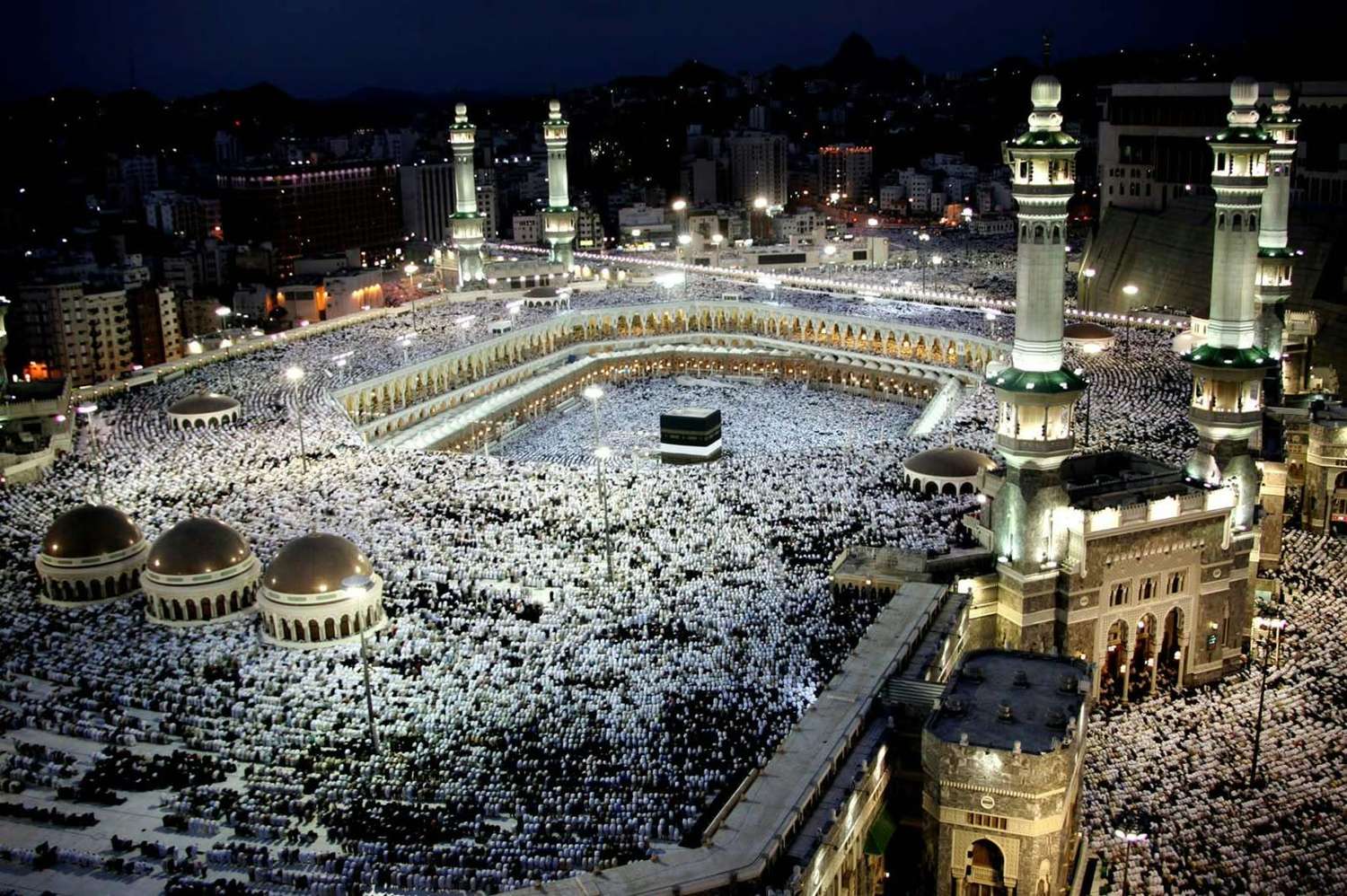
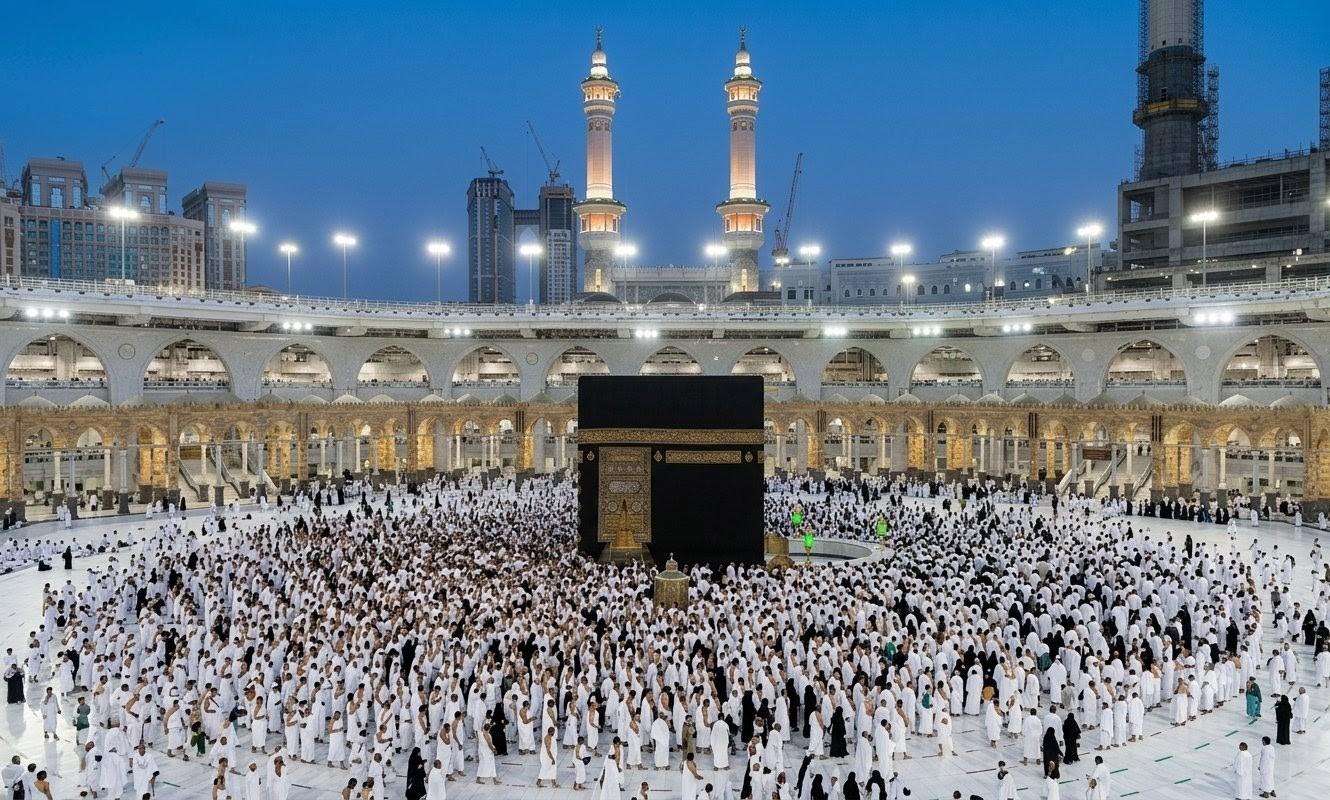
The era of anxiety over overcrowding at the Hajj pilgrimage is coming to an end as Saudi Arabia rolls out the most sophisticated safety infrastructure in the history of the holy sites. Following years of meticulous development under the Vision 2030 framework, the Kingdom has officially integrated a comprehensive "Smart Hajj" ecosystem designed to eliminate the risks of the past through proactive, high-tech intervention.
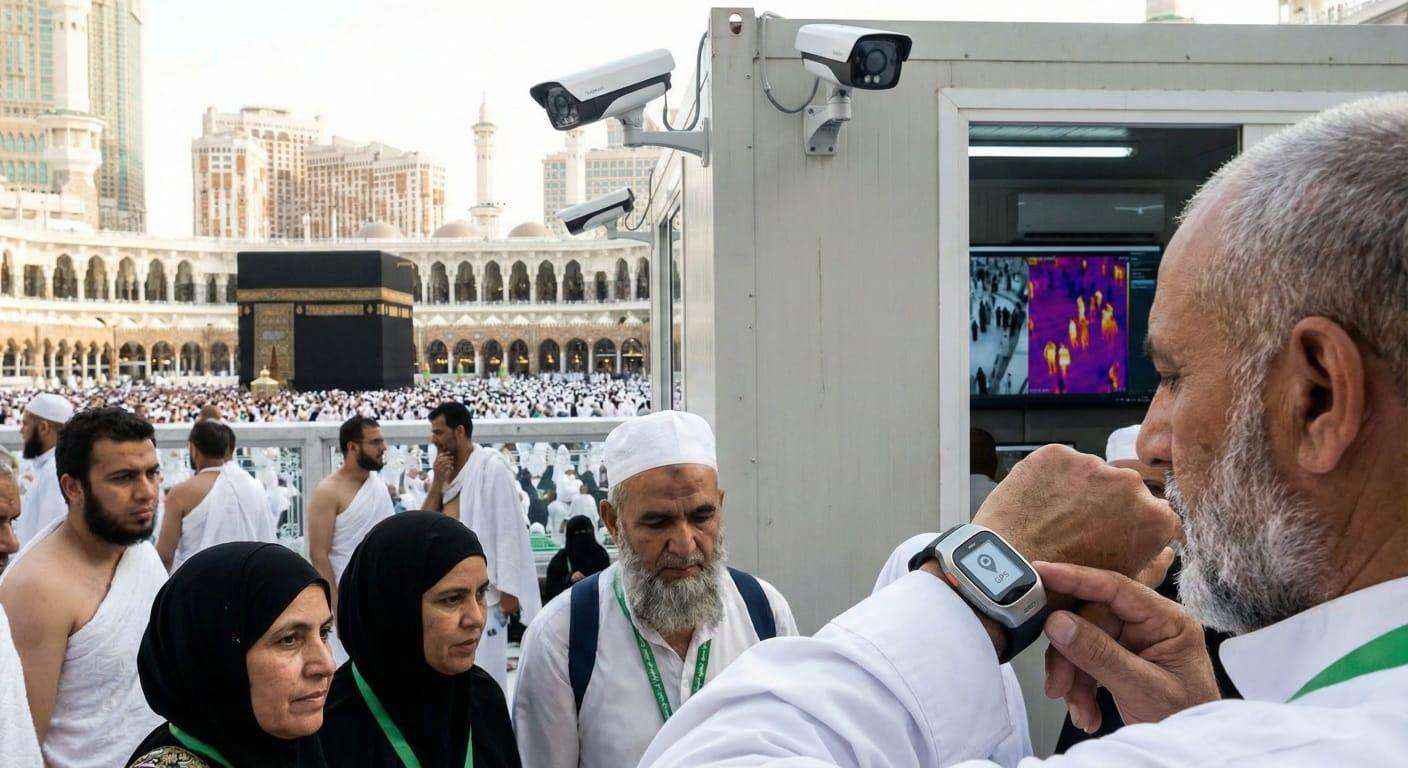
Moving beyond simple crowd management, the Ministry of Hajj and Umrah has deployed a multi-layered digital safety net centered on the mandatory "Nusuk" identity system. At the heart of this initiative is a water-resistant electronic smart bracelet issued to every pilgrim. Far more than a simple ID tag, this wearable device serves as a digital lifeline, containing encrypted personal identification, real-time medical data, passport details, and a comprehensive prayer schedule. Crucially, the bracelets are GPS-enabled, allowing authorities to instantaneously locate lost individuals within the massive crowds and reunite them with their groups, addressing one of the most persistent challenges of the annual gathering.
The ground-level protection is bolstered by an unprecedented surveillance upgrade in and around the Masjid al-Haram. While initial reports cited over a thousand cameras, officials have confirmed the deployment of a staggering network of more than 15,000 AI-equipped smart cameras. These units are linked to the "Baseer" platform and the Smart Makkah Operations Center, where artificial intelligence algorithms analyze crowd movement in real-time. Unlike traditional CCTV, this system is predictive; it can identify dangerous density levels, potential bottlenecks, or sudden flow stoppages before they escalate, enabling security teams to intervene preemptively to prevent stampedes.
Complementing the security measures, the smart system includes a suite of logistical and comfort technologies. The "Manara" AI robots now roam the holy sites providing instant translation and guidance in over 11 languages, while the world’s largest cooling system and IoT-enabled smart tents monitor environmental conditions to protect pilgrims from heat exhaustion.
Authorities state that the primary objective of this digital transformation is to ensure the safety, identity, and immediate assistance of millions of guests of Allah. By digitizing the pilgrimage experience, Saudi Arabia aims to allow the faithful to focus entirely on their spiritual journey, secure in the knowledge that a state-of-the-art safety net is watching over them.