







.svg)
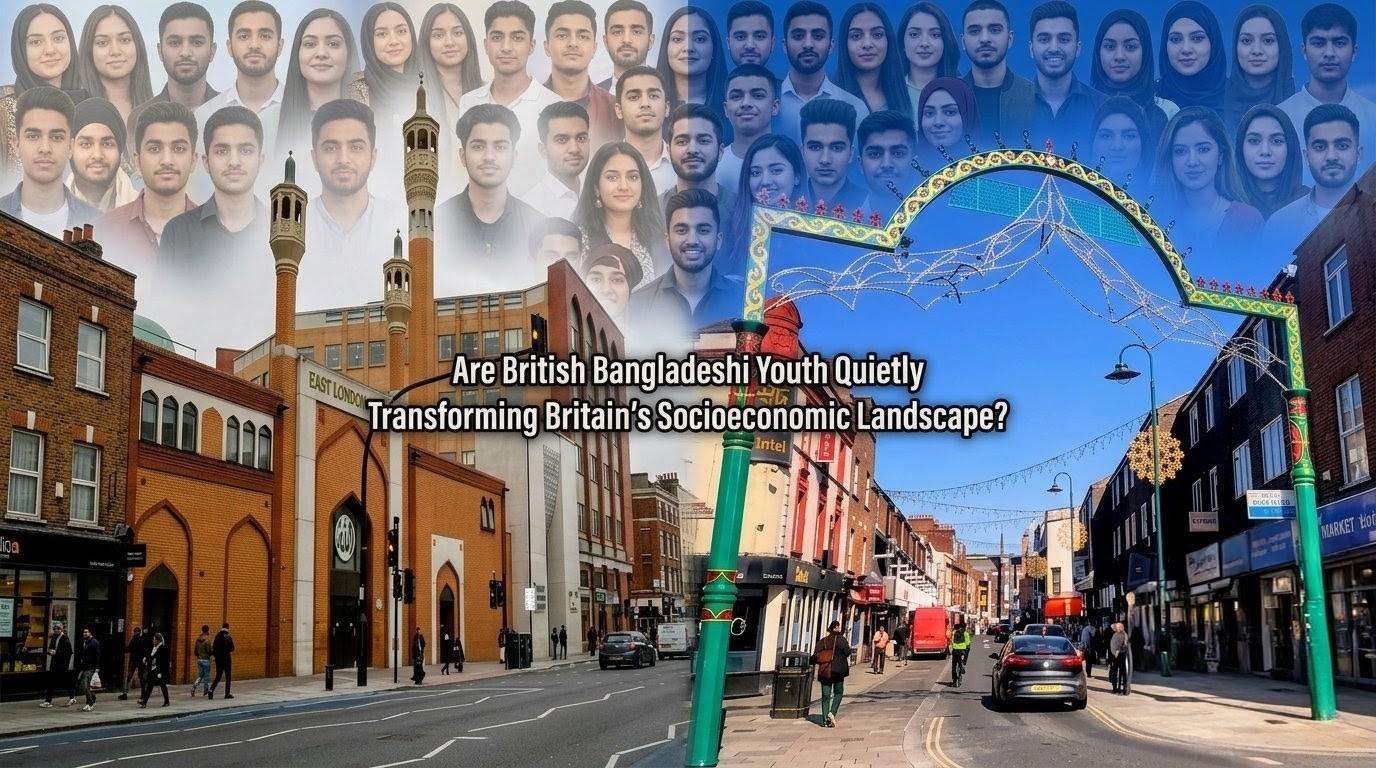
The narrative of the UK’s food landscape is undergoing a significant rewrite, as a half-billion increase in consumer spending on meat products, fuelled by a return to animal-based proteins and a booming halal sector, challenges the recent dominance of plant-based alternatives. While general health-conscious consumers pivot towards high-protein diets—a trend accelerated by the popularity of weight loss drugs—it is the growing influence of the Muslim population that is subtly but powerfully shaping the demand for specific meat categories, particularly lamb and poultry.
Initial figures from NIQ confirm a substantial shift, revealing that shoppers invested an extra half-billion into meat this year compared to the last, with beef sales alone contributing a massive uplift, making it the second fastest-growing grocery item. Poultry, encompassing chicken and turkey, also experienced a notable surge. This spending increase coincides with a widely reported ‘flexitarian exodus,’ where shoppers who previously adopted meat-free diets are now reverting to animal proteins, partly driven by mounting consumer concern over the ‘ultra-processed’ nature of many vegan substitute products. The once-heralded vegan category, which saw its numbers quadruple between 2014 and 2020, has now experienced a decline, facing scrutiny over high fat, sugar, and salt content in processed items, and research linking such foods to increased risks of heart disease.
The Halal Consumption Powerhouse
This resurgence in meat consumption cannot be fully understood without examining the powerful role of the UK’s Muslim demographic, which is rapidly influencing the market. While the question of whether Muslims consume the most meat in the UK overall is complex—general data suggests that White individuals and people born in the 1980s and 1990s historically consume the highest total quantities of meat, and older demographics favour beef and lamb—the Muslim community shows a remarkably high per capita consumption rate for certain types of meat, driving a colossal share of the specialised halal market.
Specifically, the halal sector accounts for an estimated 30 per cent of all lamb sales by volume in the UK, a disproportionately large figure given that Muslims constitute approximately 6.5 per cent of the population of England and Wales. Furthermore, research indicates that British Muslims consume more meat per capita than the general population, with a significant 80 per cent consuming lamb weekly compared to just 6 per cent of the general public.
In response to the query of whether halal beef and meat are the most consumed overall, the answer is no, as the vast majority of the meat and poultry consumed across the UK is not halal certified. However, its sectoral importance is profound. Updated market statistics paint a picture of exponential growth for this segment. The overall UK halal food market, of which meat and poultry is the largest component, was valued at over 89 billion in 2024, with projections suggesting it could grow to almost 150 billion by 2030, representing a compound annual growth rate nearing 9 per cent. Within this, the halal meat and poultry sector at slaughter was estimated to be worth approximately 1.7 billion, representing roughly 15 per cent of the UK’s overall market value for those products. Notably, up to 74 per cent of the entire financial value of the sheep sector at slaughter is attributed to the halal market.
This economic force is driven not only by a rising Muslim population, which is expected to amplify demand significantly by 2050, but also by a trend of 'halal premiumisation.' Halal products, increasingly viewed as meeting high standards of quality, hygiene, and ethical sourcing, are attracting a broader base of health-conscious, non-Muslim consumers, moving the category from a niche requirement to a mainstream segment in the diverse UK food scene. The dominance of poultry, which accounts for nearly half of the global halal meat market share, underscores the massive potential for growth in halal chicken and turkey sales across the UK.
New Trends Transform Retail Strategy
The shift in consumer behaviour is forcing retailers to recalibrate, moving away from previous heavy investment in vegan ranges toward focusing on protein-rich foods, including premium and ethically-sourced halal options. This is further cemented by the growing demand for convenience foods within the halal market, such as certified frozen meals, ready-to-cook kits, and a rapid digitalisation of sales through dedicated online halal food platforms. With general beef prices spiking—with wholesale costs up by as much as 40 per cent over the last twelve months—the price sensitivity among all consumer groups remains a key factor, but the underlying demographic and health trends confirm that animal-based protein, led by the undeniable commercial gravity of the halal segment, is securing its place at the top of the UK’s grocery priorities.



.jpg)
