






.svg)
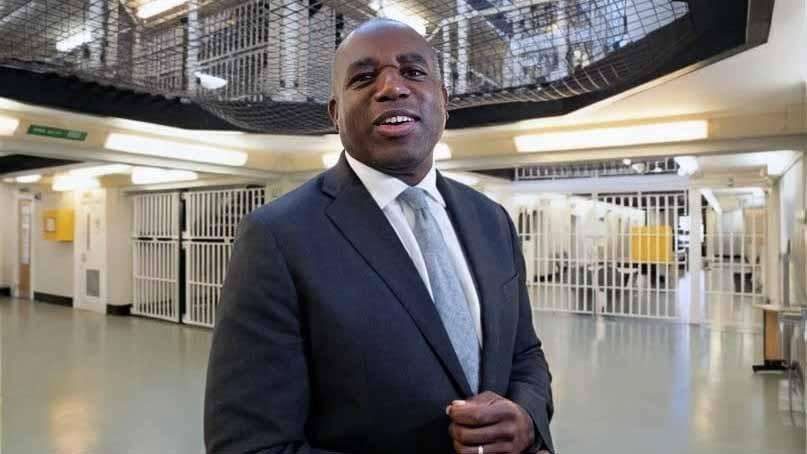
The British government is facing accusations of "selective intervention" following a high-level deal between Justice Secretary David Lammy and Home Secretary Shabana Mahmood to rescue hundreds of foreign prison officers from deportation. While the move is framed as a necessary measure to prevent a total collapse of the prison system, it has ignited a firestorm of criticism regarding why similar ministerial "favors" have not been extended to the UK’s decimated social care workforce.
Under the newly brokered agreement, approximately 500 West African prison officers who were facing the sack due to rising salary thresholds will now be granted a special exemption to remain in the UK until at least December 2026. This intervention effectively bypasses the standard immigration rules that would have required these workers to earn at least £41,700—a figure far exceeding the average salary of a frontline guard. By securing this reprieve, Lammy has ensured that jails like HMP Swaleside, where nearly 40 percent of the staff are foreign nationals, do not descend into unmanageable chaos.
However, the ease with which this legislative "quick fix" was applied has raised uncomfortable questions about the government's priorities. For months, leaders in the social care sector have pleaded for similar flexibility as thousands of essential care workers face visa expirations and impossible financial hurdles. While the Ministry of Justice successfully argued that public safety hinges on keeping Nigerian and Ghanaian guards in their posts, critics argue that the safety of the elderly and vulnerable in care homes is being treated as a secondary concern.
The disparity is stark. Government data reveals that the prison service has become heavily reliant on West African recruitment, with 29 percent of all applicants last year hailing from Nigeria alone. To protect this pipeline, the government has shown it is willing to bend its own "hardline" stance on net migration. This has led to a growing narrative of favoritism, suggesting that the Home Office is willing to relax rules for sectors that directly impact the state’s ability to incarcerate, while leaving the private and charitable care sectors to drown under the weight of the same immigration policies.
Charlie Taylor, HM Inspector of Prisons, warned that losing these officers would be "enormously damaging," yet similar warnings from the Care Quality Commission regarding staffing shortages have seemingly fallen on deaf ears in the Cabinet. The decision to "buy time" for the prison service while maintaining a rigid, high-threshold visa regime for care workers suggests a hierarchy of value within the UK labor market that many find impossible to justify.
As the government continues to boast that net migration has fallen by two-thirds, this specific exemption for prison guards exposes a convenient loophole. It proves that the government possesses the executive power to protect essential foreign workers when it deems the political cost of their departure—such as prison riots or overcrowding catastrophes—too high to pay. For the thousands of UK care workers currently facing exit orders, the question remains: why is David Lammy’s department eligible for a rescue package while the pillars of the UK’s health and social care system are left to crumble?
The Ministry of Justice maintains that this is a "time-limited" necessity born of the prison capacity crisis inherited from the previous administration. Yet, as long as one sector receives a bespoke immigration lifeline while another is denied, the accusations of an unfair "two-tier" system will continue to haunt the Home Office.




.jpg)