






.svg)
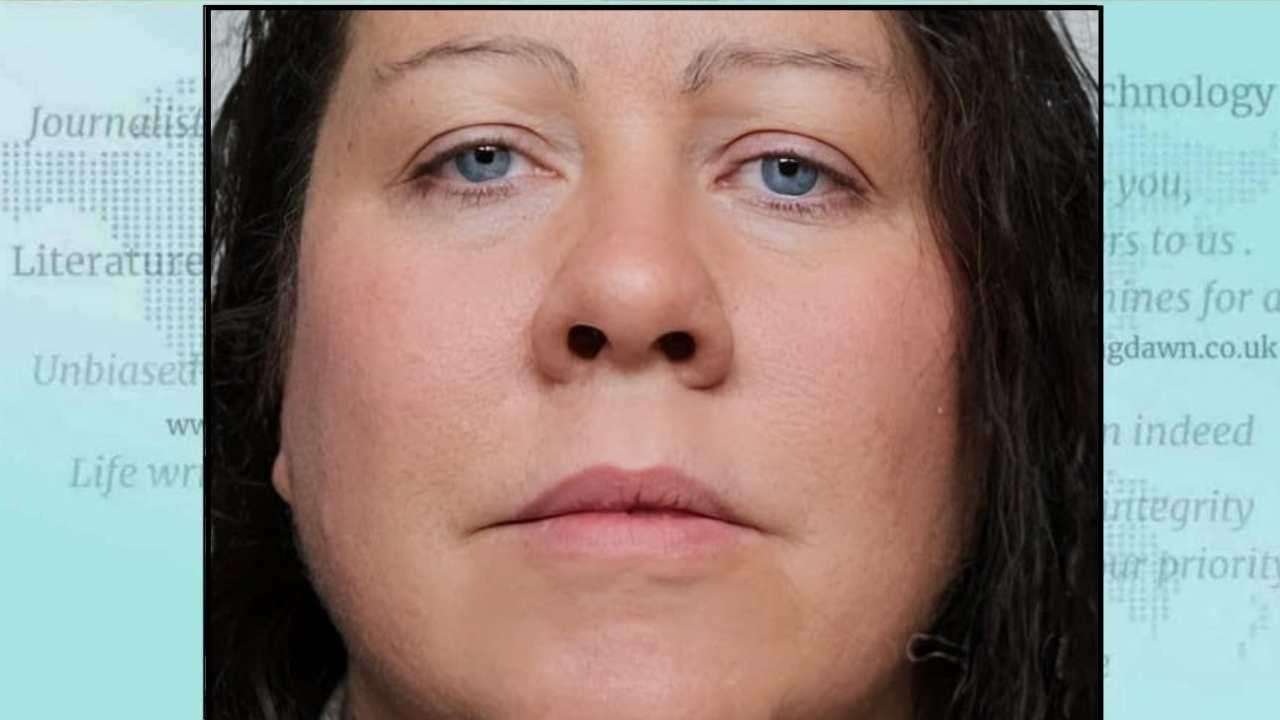
The thin veneer of domestic stability in a quiet corner of Carmarthenshire was shattered when a calculated conspiracy to commit murder unraveled, exposing a dark web of infidelity and violent intent. Michelle Mills and her lover, former marine Geraint Berry, have each been sentenced to 19 years in prison at Swansea Crown Court for a plot that was as incompetent as it was malicious. This case serves as a harrowing case study in the destructive power of extramarital affairs, a phenomenon that continues to strain the social fabric of the United Kingdom.
The court heard a narrative of extreme betrayal that began in June 2024. Michelle Mills, who had been married to her husband Christopher since 2018, initiated a secret relationship with Berry. While Christopher, an ex-serviceman, remained entirely unaware of any marital discord, his wife was actively encouraging Berry to "get rid" of him. Mr. Justice Nicklin KC noted that Mills manipulated Berry’s animosity toward her husband, transforming a dark fantasy into a tangible, violent reality. The plot culminated on a September night at a static caravan in Cenarth, where Berry and an accomplice, Steven Thomas, launched a masked assault.
Waterford Murders: English Family Previously Petrol Bombed as Multiple Searches Seek Killers?
Armed with imitation firearms and a rucksack containing cable ties, pliers, and gas masks, the attackers intended to kill Christopher Mills and stage the scene as a suicide. The plan failed only because of the victim’s "remarkable fortitude," as he managed to fight off his assailants despite suffering significant injuries. While Michelle Mills initially attempted to play the role of the worried wife by calling emergency services, her subsequent deletion of incriminating text messages revealed her true complicity. The judge emphasized that while Berry devised the logistics, it was Michelle Mills who fueled the fire of the conspiracy, leading to a sentencing that reflects the gravity of their shared intent.
Beyond the courtroom, this case highlights a broader, troubling trend in British society. Infidelity is frequently cited as a primary catalyst for the breakdown of the family unit, often leading to psychological trauma for children and, in extreme cases like this, physical violence. According to recent sociological data and surveys by organizations such as YouGov and various family law firms, approximately 20% of British adults admit to having had an affair. The "Betrayal Statistics" indicate that infidelity remains the leading cause of divorce in the UK, contributing to the dissolution of thousands of households annually and placing an immense burden on the legal and social welfare systems.
When examining the demographics of infidelity within the UK, the data suggests that these behaviors are prevalent across all ethnic backgrounds, though statistical nuances exist. Recent findings from the UK Office for National Statistics and comprehensive social surveys indicate that White British individuals report higher instances of admitted extramarital affairs compared to many minority ethnic groups. Specifically, some studies suggest that White British men and women are roughly 15% more likely to engage in "secondary relationships" than individuals from British Asian or Afro-Caribbean backgrounds, where cultural or religious frameworks regarding the sanctity of marriage often exert a stronger influence on social behavior. However, experts note that regardless of ethnicity, the rise of digital dating apps has democratized the ability to stray, making infidelity a cross-cultural crisis in modern Britain.
The psychological toll on the victims of such betrayal is profound. Christopher Mills, in his victim impact statement, described himself as a "changed person" who is now perpetually anxious and unable to trust others. The fallout of an affair is rarely contained within the couple; it ripples outward, destroying the sense of security that the family unit is supposed to provide. Critics of modern social trends argue that the "normalization" of adultery through media and technology has devalued the commitment of marriage, leading to a more fractured and litigious society.
As Michelle Mills and Geraint Berry begin their nearly two-decade-long sentences, the case leaves behind a devastated victim and a sobering reminder of the chaos that follows when the foundations of trust are replaced by deception. The legal system has delivered justice for the physical attempt on Christopher Mills' life, but the societal scars left by such deep-seated betrayal are far more difficult to heal.