.jpg)





.svg)
The constitutional landscape of the United Kingdom is facing a period of intense scrutiny as the government moves to postpone local elections across dozens of council areas. This late-December bombshell has triggered a fierce debate over the health of British democracy, with the nation's elections watchdog issuing a rare and stinging rebuke of the proposals.
The Electoral Commission has formally criticised the government’s offer to delay polling in 63 council areas scheduled for May 2026. Chief Executive Vijay Rangarajan described the uncertainty as unprecedented, warning that capacity constraints within local authorities should not be used as a legitimate reason to halt the democratic process. The watchdog argued that asking sitting councillors to decide when they should next face the ballot box creates a clear conflict of interest that risks damaging public confidence.
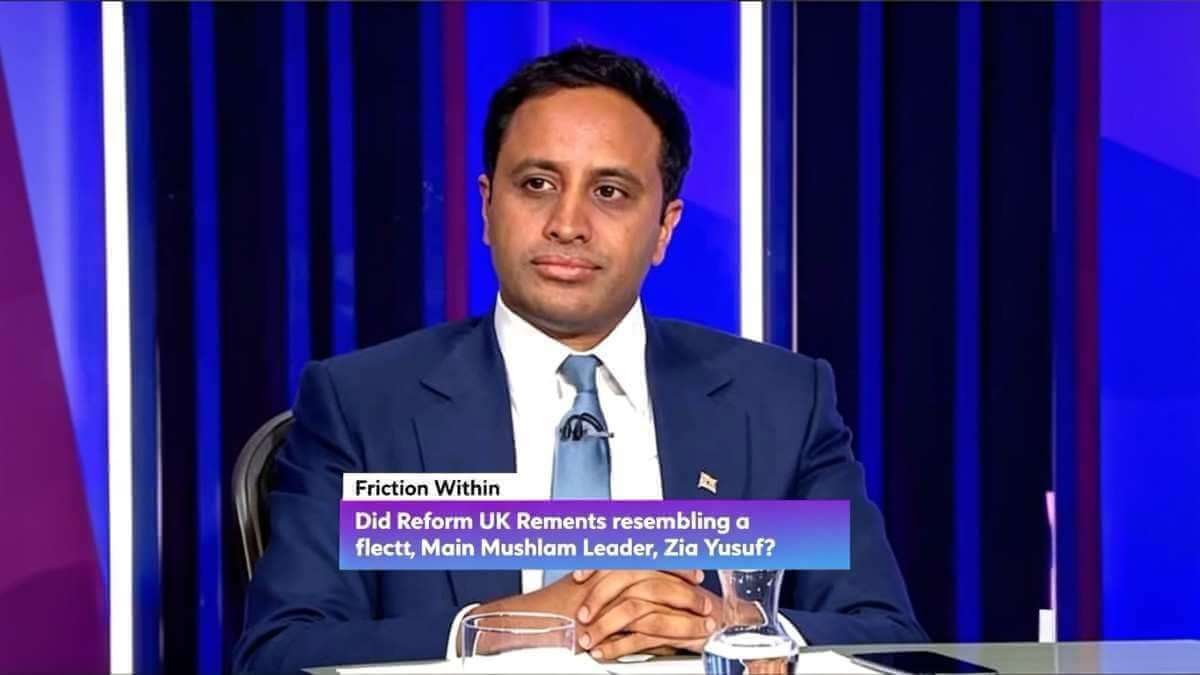
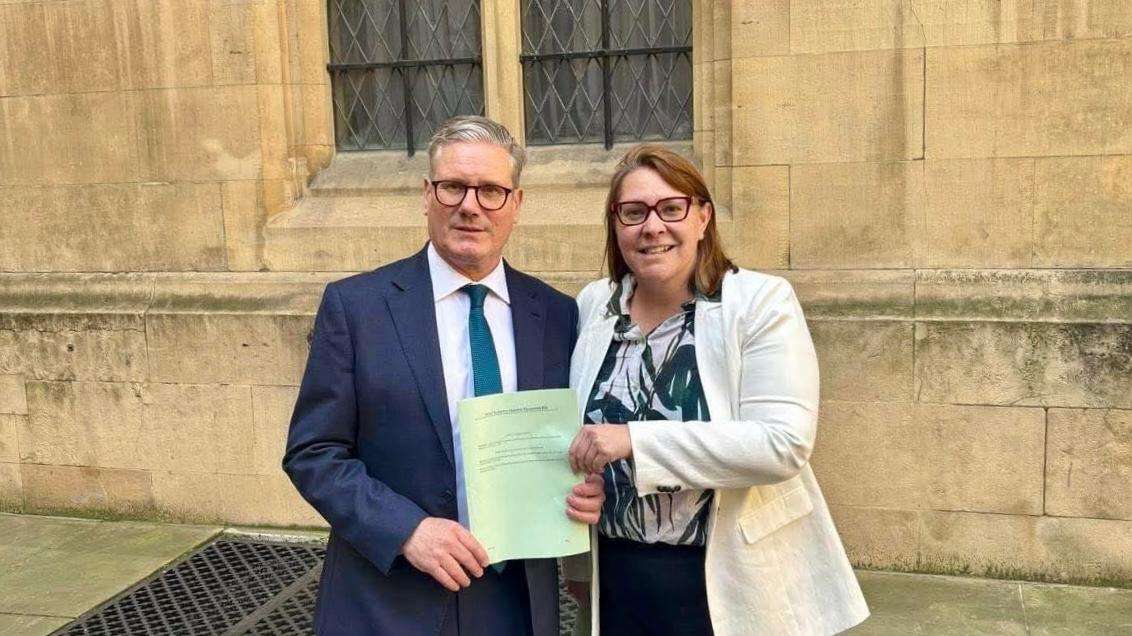
Labour Party chair Anna Turley defended the move during a high-profile interview with Trevor Phillips, framing it as a pragmatic necessity. Turley argued that the country is currently undergoing the most significant local government reform in half a century. She maintained that the government is focused on long-term stability and that the restructuring into unitary authorities requires a calm and sensible delivery timeline. Despite the government's current dip in polling, Turley insisted that Prime Minister Keir Starmer remains the right leader to navigate these difficult decisions, expressing confidence that the public will feel the benefits of economic recovery by next year.
The Green Party has expressed deep concern over the move, noting that delaying elections prevents voters from holding local representatives accountable during a time of immense social and environmental challenge. While Hastings Borough Council, which has a Green minority, indicated it would not seek a delay, the party nationally has voiced fears that such postponements set a dangerous precedent for future democratic cycles.
Reform UK has taken a more aggressive stance, threatening legal action against the government. Party leadership accused Labour and the Conservatives of colluding to lock out insurgent parties, following Reform's significant gains in previous local contests. Liberal Democrat leader Sir Ed Davey echoed these sentiments, labelling the situation a stitch-up designed to protect established parties from voter backlash.
The delay predominantly affects areas undergoing local government reorganisation. While some Labour-led councils like Blackburn and Chorley have welcomed the delay to save costs and focus on restructuring, others have rejected the offer. The Conservative-led Essex County Council and the Liberal Democrat-led Portsmouth City Council are among those insisting that elections proceed as planned.
Dazzling Dawn Deeper Analysis
The current standoff over election delays is more than a mere administrative hurdle; it is a symptom of a government caught between the desire for radical structural reform and the immediate pressure of low approval ratings. By allowing councils to opt-out of the 2026 cycle, the Labour administration is walking a tightrope. If the delays are seen as a tactical retreat from the electorate, it may further alienate a public already impatient for the change promised in last year’s manifesto.
Furthermore, the Electoral Commission's intervention marks a significant moment of institutional friction. For an independent watchdog to cite a conflict of interest suggests that the traditional consensus on how UK elections are managed is fraying. As the January 15 deadline for council responses approaches, the government must decide whether the administrative ease of reorganisation is worth the potential cost to its democratic legitimacy. The upcoming year will determine if this is a necessary pause for progress or a strategic error that bolsters the narrative of a political class avoiding the judgment of the people.