




.svg)
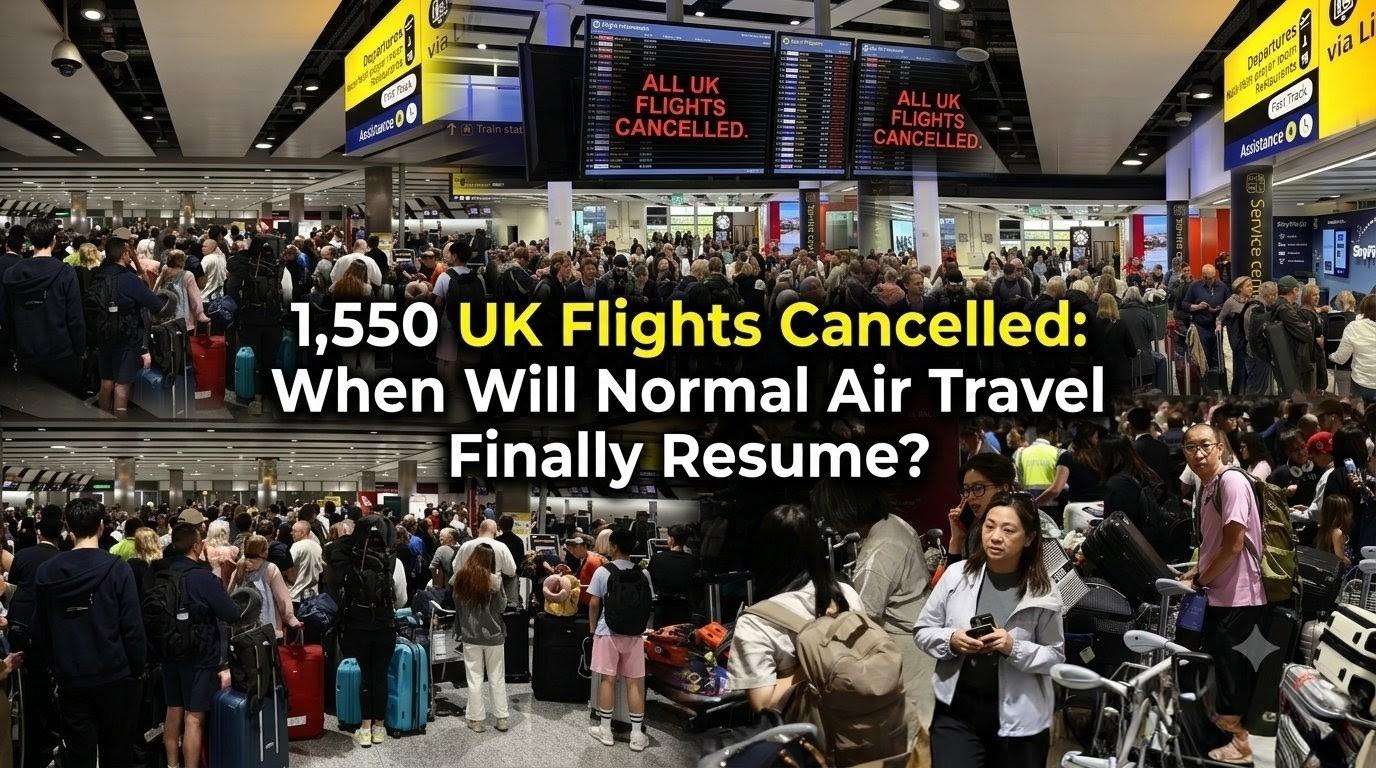
The Great British Christmas getaway has evolved from a seasonal rush into a grueling test of national infrastructure as record-breaking passenger volumes collide with systemic logistical failures. While the Port of Dover remains the focal point of the outbound exodus, the reality for millions of Britons this week is a fragmented transport network struggling to cope with the highest volume of leisure travel recorded in over a decade.
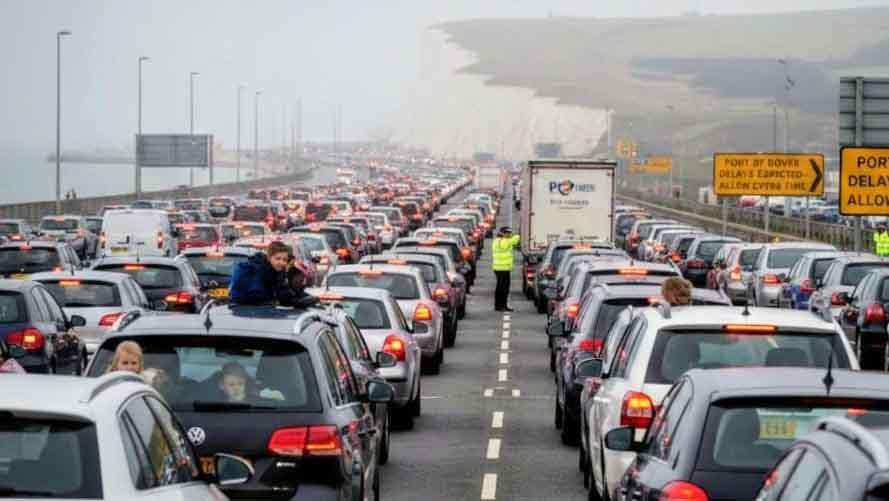
At the Kent coast, a delicate balance of flow and friction is currently playing out. Port officials have reported that nearly 30,000 vehicles are expected to process through the terminal across the festive peak, creating a bottleneck that ripples far beyond the docks. Chief Executive Doug Bannister has been forced to implement airport-style arrival protocols, pleading with travelers to maintain a strict two-hour window to prevent the local road network from total seizure. However, even with these measures, the peak morning windows between 6:00 am and 1:00 pm have seen the approach roads transformed into static corridors of idling engines.
The crisis on the roads is mirrored by a deteriorating situation on the rails. While road users battle the M25’s clockwise congestion between Junctions 15 and 19, rail passengers are finding their alternatives vanishing. CrossCountry trains has become the latest operator to succumb to severe staffing shortages, with a lack of available drivers forcing a wave of cancellations on critical arteries between Manchester and Birmingham. This shortage does not just affect those on cancelled services; it creates a dangerous "overflow effect" where remaining trains are operating at hazardous capacities, often leaving families stranded on platforms with little hope of reaching their destinations before the holiday shutdown.
The outlook for the next 48 hours offers little reprieve. Data provided by the RAC suggests this is officially the busiest festive period since tracking began in 2013, with an estimated 37.5 million leisure trips saturating the grid. While Sunday saw a staggering 3.5 million car journeys, the true "stress test" for the UK is scheduled for Christmas Eve. Projections indicate that 4.2 million vehicles will hit the tarmac on Tuesday alone, creating a concentrated surge that experts warn will likely result in gridlock between 11:00 am and 7:00 pm.
Crucially, the focus on Dover and the Midlands may be obscuring a wider geographic paralysis. As travelers attempt to bypass the primary bottlenecks at the Port and the M25, secondary routes and alternative transit hubs are already showing signs of strain. Long-distance coaches and domestic flight routes are reaching 100% capacity, leaving no "safety valve" for the system when a primary link fails. For those still planning to depart, the window for a seamless journey has effectively closed, replaced by a landscape of calculated delays and the growing necessity of contingency planning in a year where the sheer scale of the British public's desire to travel has simply outpaced the country's ability to move them.

.jpg)