


.svg)
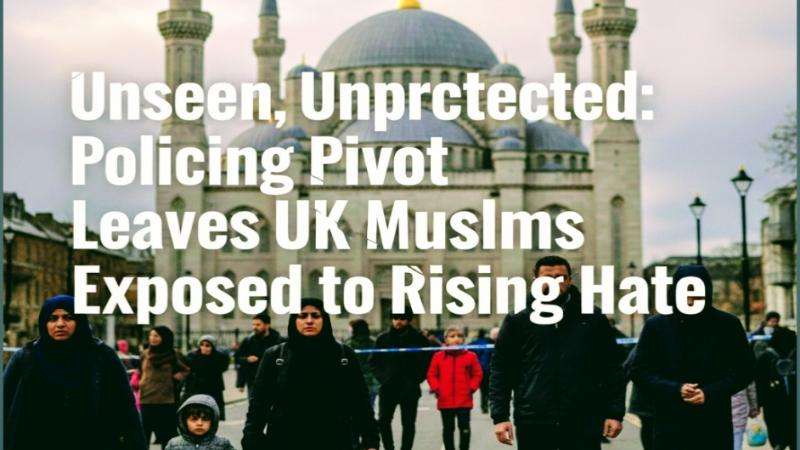
The landscape of community safety in the United Kingdom is facing a profound and controversial shift as police chiefs prepare to dismantle the current system for recording Non-Crime Hate Incidents (NCHIs). While the government frames this move as a victory for free speech and a return to "common sense" policing, the decision arrives at a moment of unprecedented vulnerability for the British Muslim community, which remains the most targeted religious group in the country, Daily Dazzling Dawn understands.
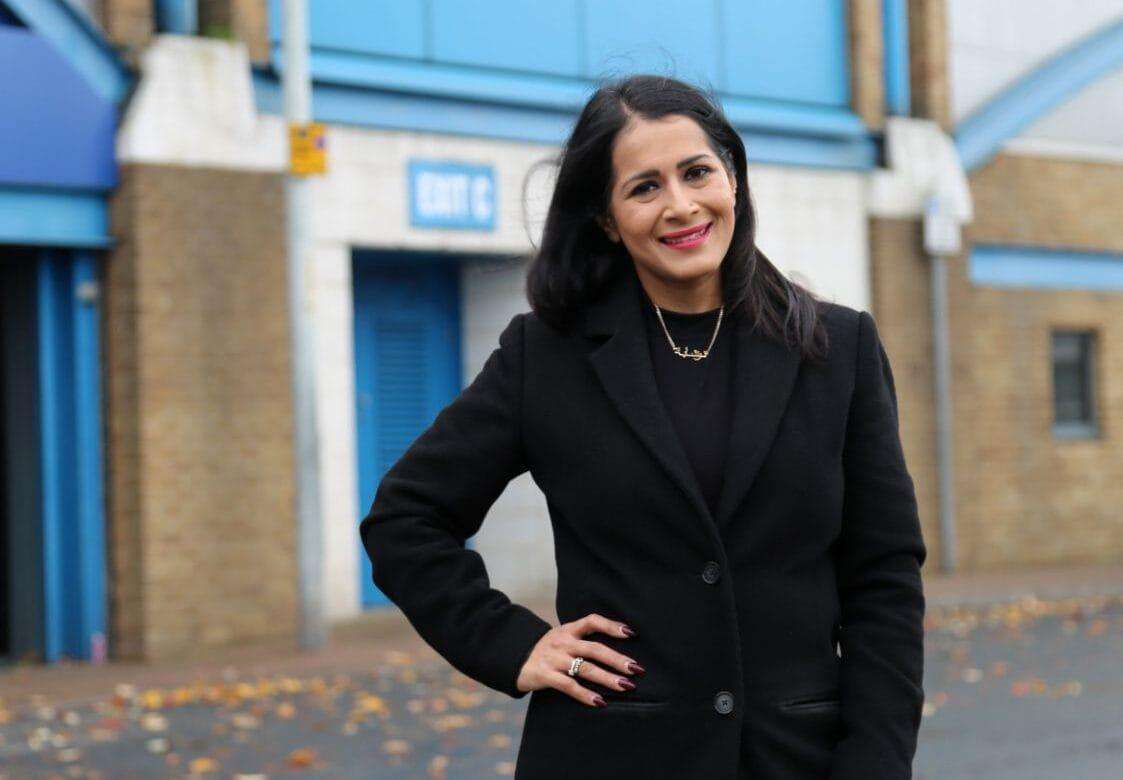
The proposed reforms, set for presentation to Home Secretary Shabana Mahmood, will see NCHIs officially scrapped from police crime databases. Historically, these records—incidents perceived as motivated by hostility but falling short of a criminal offence—have served as an essential "early warning system" for tracking community tensions. Under the new plans, such reports will no longer appear on background checks and will instead be relegated to internal intelligence reports or a narrow category of anti-social behaviour.
For British Muslims, the timing of this policy shift is alarming. The latest Home Office data for 2025 reveals a staggering 19% increase in religious hate crimes specifically targeting Muslims. According to monitoring group Tell MAMA, anti-Muslim incidents reached a record high this year, with thousands of cases reported—a massive surge compared to previous years. Within the broader spectrum of religious hate crime, Muslims are disproportionately affected, accounting for approximately 44% of all recorded offences in the UK.
The impact of removing these recording mechanisms is felt most acutely at the gates of the nation’s mosques. Community leaders argue that NCHIs often capture the "low-level" harassment and verbal abuse that frequently precede physical violence or targeted arson. By scrubbing these incidents from official records, critics fear that the police will lose the ability to track the radicalisation of offenders and the shifting patterns of far-right activity that led to widespread disorder in late 2024 and early 2025.
The surge in threatening behaviour—including a dramatic rise in street-based cases—highlights a climate where "perfectly legal language" on social media often translates into tangible fear for those walking to prayer. Despite a recent £10 million government boost in security funding for mosques to provide CCTV and fencing, community advocates argue that physical barriers are a reactive defense compared to the proactive monitoring of hostile environments.
Lord Herbert, chairman of the College of Policing, maintains that the system is no longer "fit for purpose" in the age of social media, citing cases where individuals were questioned over tweets. Yet, for British Muslims, the shift in policing priority signals a potential withdrawal of state protection. While the new "PLANE" mnemonic (Proportionate, Legal, Accountable, Necessary, and Ethical) aims to guide officers, there is a deep-seated concern that the threshold for intervention will become so high that the daily lived experience of Islamophobia will be effectively erased from national data.
As the College of Policing and the National Police Chiefs’ Council prepare to publish the full transition plans, the British Muslim community finds itself at a crossroads. The removal of NCHIs may alleviate concerns for free speech advocates, but it leaves a community already facing record-breaking levels of hostility wondering who will be watching when "non-crime" incidents inevitably escalate.


_3.jpg)