





.svg)
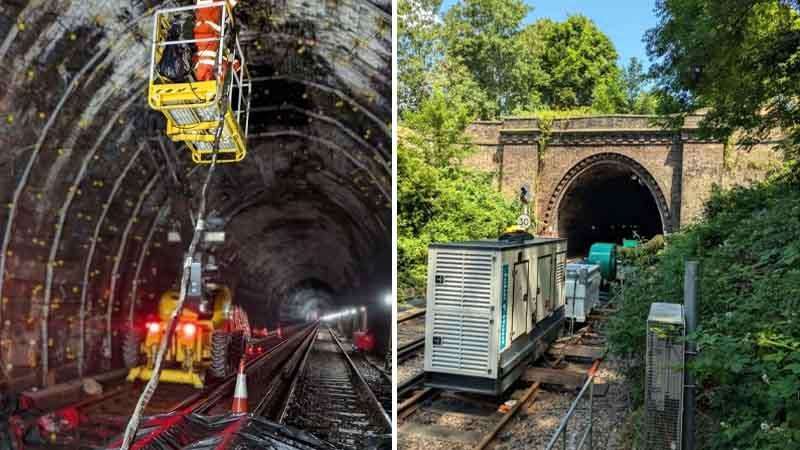
The age of the Victorian steam engine may be long gone, but the infrastructure it left behind remains the literal backbone of modern London. One of the city’s most critical subterranean arteries, the 175-year-old Blackheath Tunnel, has officially emerged from a transformative £10 million restoration. While the tunnel originally opened in 1849, its recent overhaul represents a leap into the future of civil engineering, utilizing advanced materials that did not exist when the first bricks were laid.
For decades, the mile-long stretch between Blackheath and Charlton was a nightmare for both engineers and the thousands of daily Southeastern commuters. The porous Victorian brickwork had succumbed to the relentless pressure of groundwater. This wasn't just a matter of damp walls; the water ingress was actively washing away fine sediments behind the lining, creating dangerous voids. On the tracks, "wet beds"—essentially waterlogged sections of ballast—forced trains to slow down, while corroding rails and damaged overhead lines led to nearly 17 hours of passenger delays in a single year.
The solution required more than just a fresh coat of mortar. Network Rail and primary contractor VolkerFitzpatrick turned to the Finnish engineering firm Geobear to deploy a pioneering geopolymer injection technique. Unlike traditional cement grouts, which are heavy and require massive amounts of water to mix, this geopolymer resin is five times lighter and sets in a fraction of the time. This was a critical advantage given the logistical nightmare of working in a cramped, dark, 19th-century tunnel where every minute of track closure carries a massive price tag.
The scale of the operation was immense. Technical teams meticulously drilled 1,000 core holes across 900 metres of the tunnel's lining. Into these holes, they fed 13 kilometres of specialized pipework to deliver 55 tonnes of the expansive geopolymer. Once injected, the resin expanded to fill hidden cavities and created a permanent, waterproof seal that effectively "shrink-wraps" the tunnel from the outside. This method didn't just fix the leaks; it structurally reinforced the entire mile-long passage without the need for a total rebuild that would have shuttered the line for years rather than weeks.
Beyond the waterproofing, the project also modernized the tunnel’s internal anatomy. New drainage channels were installed to catch any remaining moisture through controlled "weep holes," and the problematic waterlogged track sections were entirely replaced. This comprehensive approach ensures that the North Kent line can handle the demands of 21st-century rail traffic while preserving the historical integrity of the structure.
As London enters the busy 2025/26 winter season, the results are already visible. The completion of the final 10-week summer blockade marks the end of the most disruptive phase of the project. While the railway network continues to undergo various upgrades across Kent—including upcoming works at Dartford Junction—the Blackheath Tunnel now stands as a blueprint for how the UK can save its aging Victorian heritage through modern material science.