





.svg)
The United States State Department has imposed visa restrictions on two prominent British anti-hate speech campaigners, Imran Ahmed and Clare Melford, accusing them of participating in efforts to censor American viewpoints on online platforms. The move, which targets a total of five European individuals, marks a significant escalation in tensions between the US administration and European nations regarding the regulation of online content.
Accusations of a "Censorship-NGO Ecosystem"
US Secretary of State Marco Rubio announced the sanctions, alleging that the targeted individuals have led "organized efforts to coerce American platforms to censor, demonetize, and suppress American viewpoints they oppose". Sarah Rogers, the Under Secretary of State for Public Diplomacy, defended the decision, stating that the Trump administration was targeting a "censorship-NGO ecosystem". The visa bans mean these individuals are generally barred from entering the United States, and any currently present in the country could face deportation proceedings.
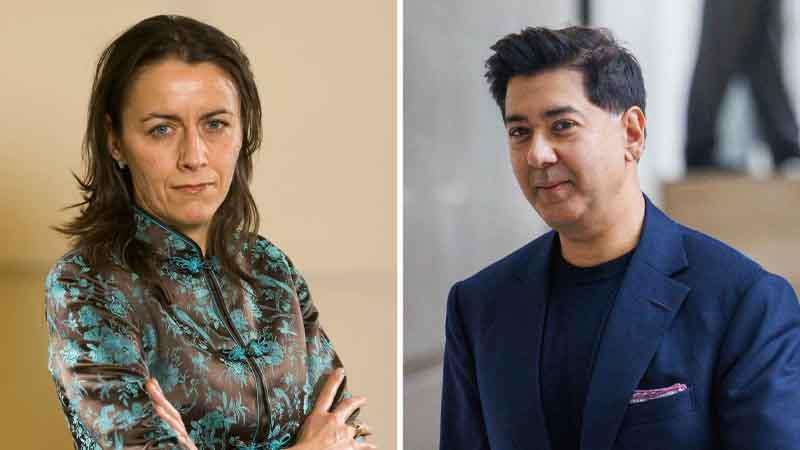
The sanctioned British citizens are:
Imran Ahmed, Chief Executive of the Center for Countering Digital Hate (CCDH), a non-profit organization that works to combat online hate and disinformation. Ahmed is reportedly based in Washington, D.C., living with his American wife and child, and now faces the possibility of deportation. His organization was previously sued by Elon Musk's X (formerly Twitter) in a case that was later dismissed.
Clare Melford, CEO of the Global Disinformation Index (GDI), an organization that aims to disrupt the business model of harmful online content by encouraging advertisers to steer clear of polarizing and divisive websites.
Broader Conflict Over Tech Regulation
Alongside the two British campaigners, the US also sanctioned Thierry Breton, a former European Commissioner and a key architect of the EU's Digital Services Act (DSA), as well as two leaders of the German NGO HateAid, Josephine Ballon and Anna-Lena von Hodenberg. The US administration views European regulations like the DSA, which imposes content moderation standards on major tech platforms, as "extraterritorial censorship of Americans". The State Department described Breton as the "mastermind" of the DSA and accused the targeted NGOs of advancing "censorship crackdowns by foreign states".
International Condemnation
The sanctions have triggered sharp criticism from European leaders and the affected organizations. French President Emmanuel Macron condemned the measures as "intimidation and coercion aimed at undermining European digital sovereignty". The German government also criticized the move, calling the visa bans on the HateAid leaders "unacceptable".
A spokesperson for the Global Disinformation Index described the sanctions as an "authoritarian attack on free speech and an egregious act of government censorship" that is "immoral, unlawful, and un-American". In the UK, Liberal Democrats leader Ed Davey characterized the US policy as constituting "foreign interference". This unprecedented action highlights a deepening ideological divide over the management of online speech and the regulation of powerful technology companies.