




.svg)
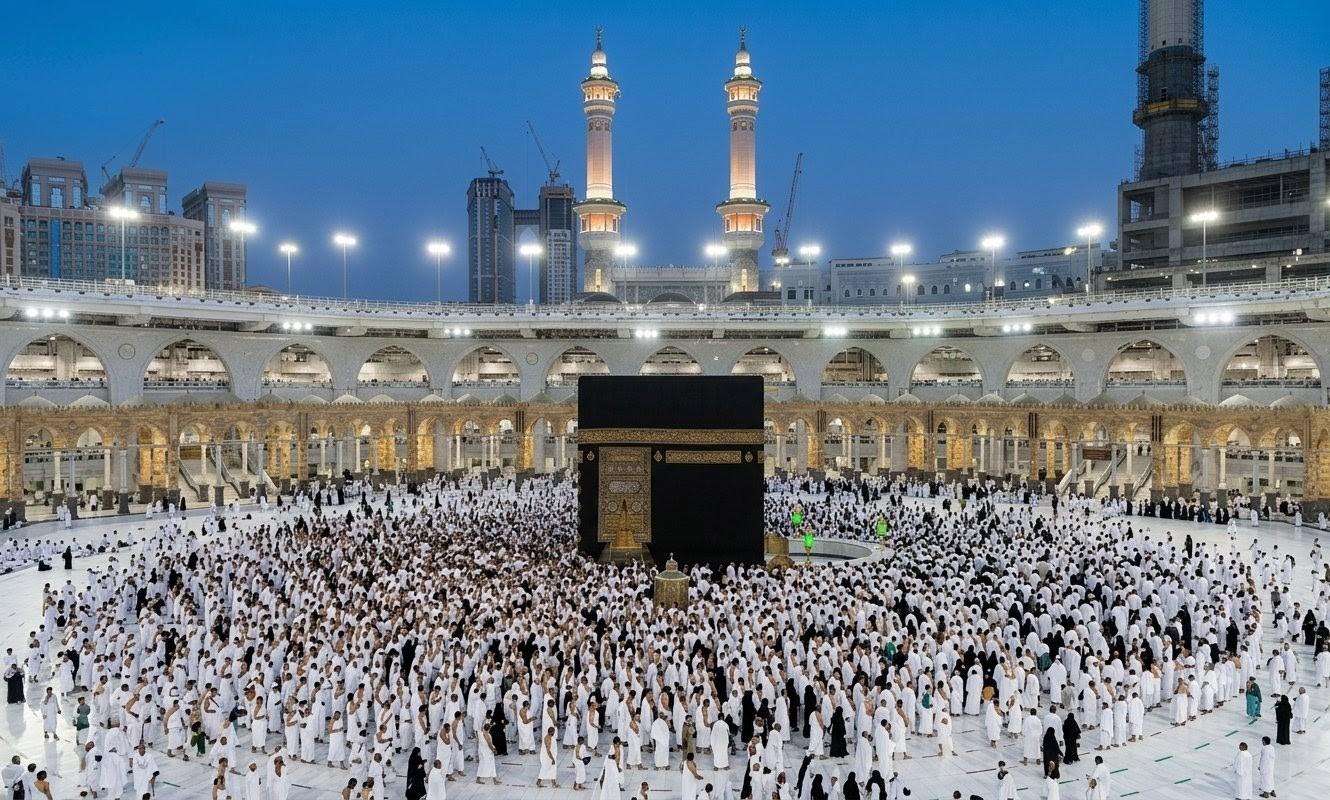
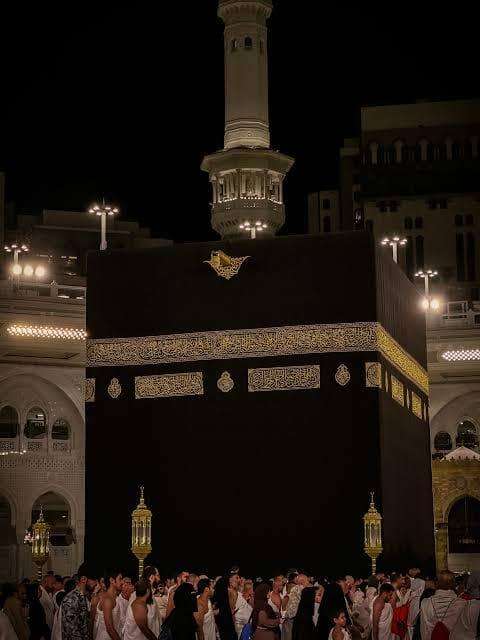
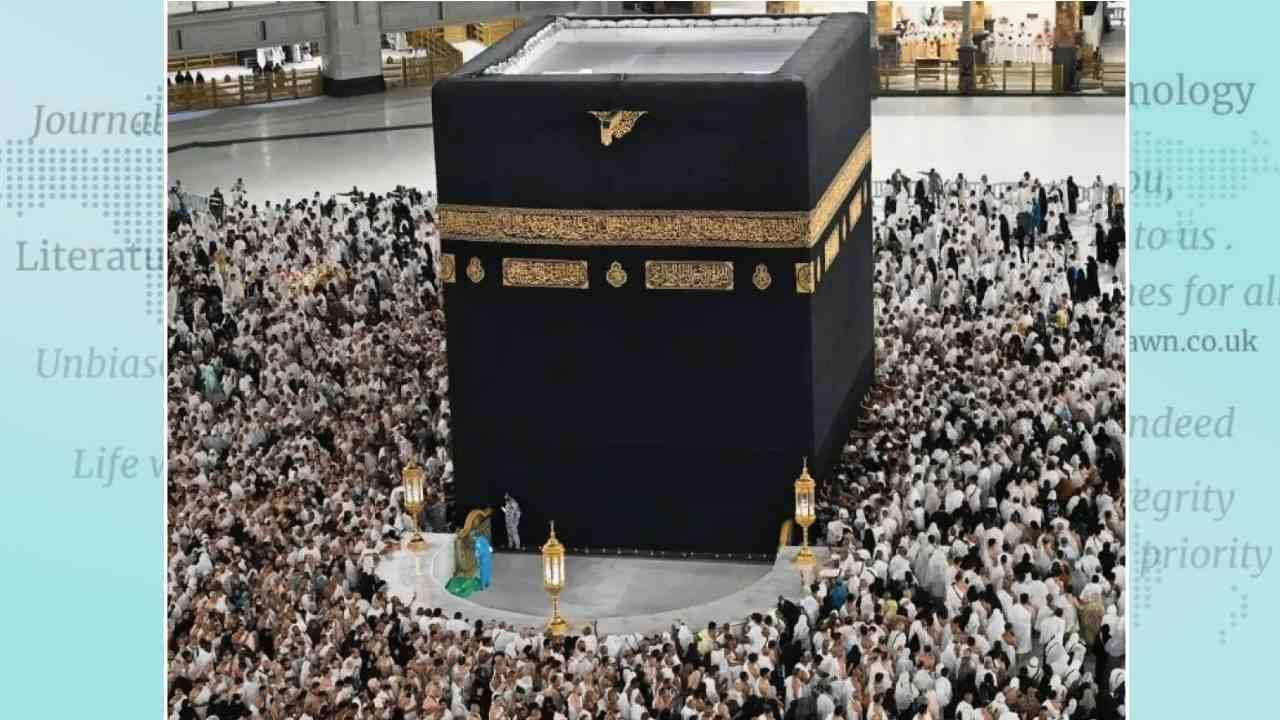
The landscape of global religious tourism is undergoing a tectonic shift as Saudi Arabia’s digital-first infrastructure begins to shatter historical records. Moving far beyond traditional pilgrimage management, the Ministry of Hajj and Umrah, alongside the General Authority for the Care of the Affairs of the Two Holy Mosques, recently confirmed that a staggering 11.9 million pilgrims performed Umrah during the month of Jumada Al Akhira alone. This surge is not merely a statistical milestone but a powerful validation of the Kingdom’s Vision 2030, which seeks to transform the spiritual journey into a seamless, high-tech experience for millions of Muslims worldwide.
The influx of 1.7 million international worshippers during this period highlights a significant trend toward the democratization of access. New visa regulations, including the Umrah Personal Visit Visa and the integration of transit visas for layover passengers, have effectively removed the bureaucratic hurdles that once restricted entry. The Kingdom has successfully transitioned from a traditional visa-stamping process to an interconnected digital ecosystem. Modern travelers now utilize the Nusuk platform not just for permits, but as a mandatory logistical hub where hotel and transport bookings are verified in real-time. This integrated approach is a sophisticated new layer of crowd management designed to eliminate fraudulent operators and ensure every pilgrim has guaranteed accommodation in the increasingly high-demand holy cities.
Looking toward the immediate future, experts and Ministry insiders are bracing for a Ramadan 2026 season that is projected to be the most attended in modern history. Current growth trajectories and internal data suggest that approximately 15 million pilgrims will converge on Makkah and Madinah during the holy month of Ramadan in 2026. To accommodate this unprecedented volume, Saudi authorities are quietly rolling out Smart Crowd AI technologies that monitor real-time density in the Mataf and Sa’i areas, allowing for automated flow redirection to prevent congestion. Furthermore, the 2026 season will see the full-scale launch of the first electric bus network in Makkah, featuring dedicated lanes to bypass traffic bottlenecks and reduce the carbon footprint of the pilgrimage.
The economic and logistical impact of this growth is reshaping Makkah’s skyline and the Kingdom’s service sector. Beyond the published figures, the Ministry is finalizing the integration of biometric self-registration through smartphones, allowing pilgrims from eligible countries to bypass physical visa centers entirely. This leap in Bio-Visa technology is expected to be fully operational for the 2026 peak seasons, further accelerating the arrival process at King Abdulaziz International Airport in Jeddah. As Saudi Arabia moves closer to its goal of hosting 30 million annual Umrah visitors by 2030, the current record of 11.9 million serves as a definitive signal that the Kingdom is no longer just hosting a pilgrimage, but is leading a global masterclass in large-scale event management and technological precision.