




.svg)
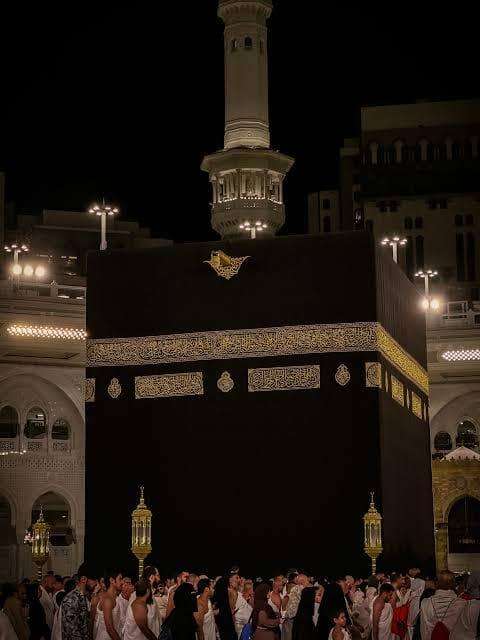
The landscape of spiritual travel is undergoing a radical transformation as 2025 brings unprecedented accessibility and a heightened focus on pilgrim wellness. For British and American Muslims, the winter window between December and February has emerged as the premier season for Umrah, offering a temperate climate that transforms the physically demanding rites of Tawaf and Sa’i into a manageable, reflective experience. Beyond the weather, the introduction of low-cost aviation and digitized visa portals has moved Umrah from a once-in-a-lifetime logistical hurdle to a streamlined journey accessible to the budget-conscious traveler.
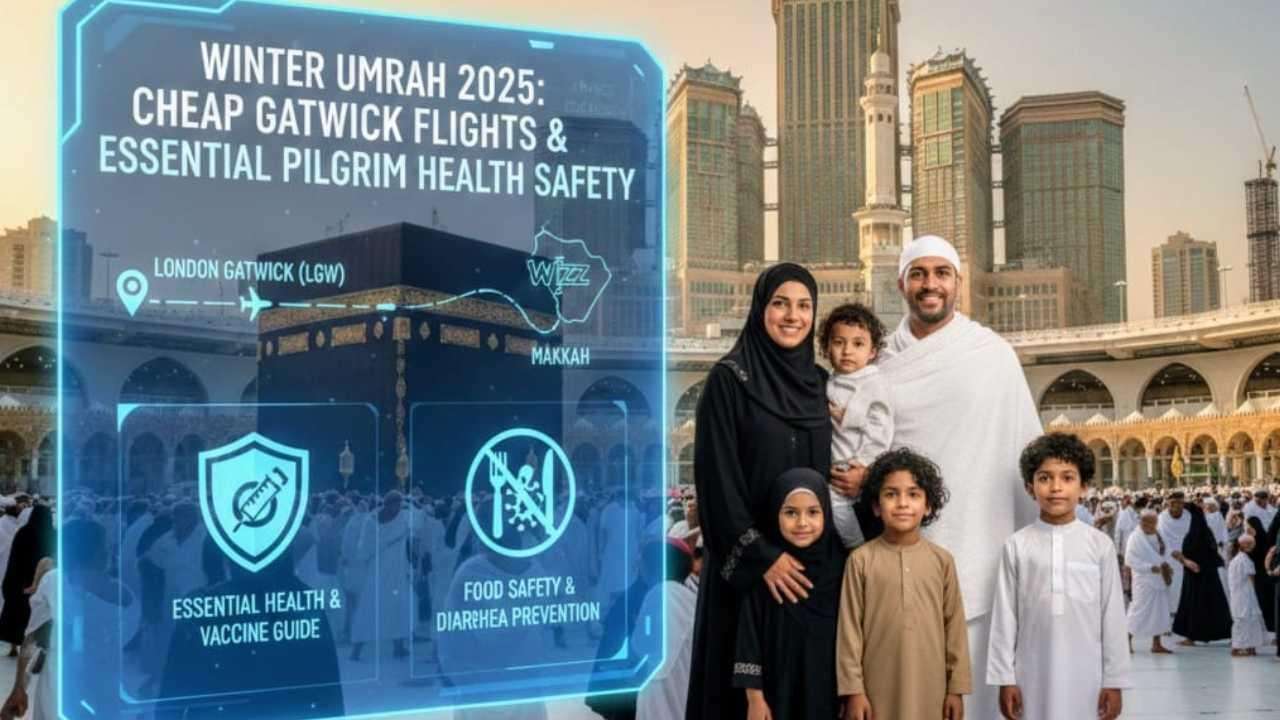
Strategic planning now begins at London Gatwick Airport, where Wizz Air has disrupted the traditional travel market by launching direct, highly affordable flights to the region. This new route provides a vital link for pilgrims from the UK and Europe, allowing families to bypass expensive legacy carriers. By flying directly into the Prophet’s city, travelers can commence their spiritual journey in the tranquil atmosphere of Madinah before utilizing the high-speed Haramain High-Speed Railway to reach Makkah. While these budget fares offer significant savings, savvy journalists advise travelers to account for add-ons such as baggage and seat selection to maintain the "cheap" price point.
However, increased mobility brings a renewed focus on public health. Professional medical briefings for the 2025 season emphasize that physical preparation is as vital as spiritual readiness. The Saudi Ministry of Health has reinforced strict vaccination protocols; the quadrivalent meningococcal vaccine remains a mandatory requirement for all pilgrims to prevent outbreaks in crowded environments. Travelers are also strongly urged to update their routine immunizations and COVID-16 boosters. Beyond injections, the most common disruptors to a successful Umrah are gastrointestinal issues, specifically food poisoning and traveler’s diarrhea. Experts recommend a "boil it, cook it, peel it, or forget it" approach. To avoid dehydration and illness, pilgrims should rely exclusively on bottled water or the provided Zamzam sources and exercise caution with unpeeled fruits or salads from street vendors.
Food safety in the Holy Cities has seen vast improvements, yet the density of international crowds requires personal vigilance. While the local culinary scene is a highlight—ranging from the legendary Al Baik fried chicken to high-end dining in the Abraj Al Bait Clock Tower—choosing high-turnover establishments ensures freshness. For those managing sensitive stomachs, the proliferation of established brands like Mado and specialist coffee houses such as Brew92 and Ratio offer familiar hygiene standards. Carrying a basic medical kit containing rehydration salts and anti-diarrheal medication is now considered an essential part of the modern pilgrim's packing list.
The digital evolution of the pilgrimage is anchored by the Nusuk platform. This official gateway has replaced fragmented booking systems, consolidating Umrah permits, Rawdah appointments in Madinah, and visa applications into a single interface. The precision of this system means that "winging it" is no longer an option; securing a slot for the Rawdah Noble Sanctuary must be done well in advance through the app to avoid disappointment. This structured approach extends to local sightseeing, or Ziyarah. In Madinah, the Quba Walkway provides a shaded, family-friendly pedestrian route to the first mosque in Islam, while Makkah’s Hira Cultural District now features a cable car service, making the historical context of the Cave of Hira accessible to the elderly and those with young children without the strenuous climb.
Accommodation choices in 2025 are increasingly focused on proximity to the Harams to minimize exhaustion. In Makkah, the hotels within the Clock Tower complex, such as the Conrad and Intercontinental, remain the gold standard for families requiring quick access to their rooms for rest or childcare. In Madinah, staying within the first row of hotels facing Al-Masjid an-Nabawi ensures that the five daily prayers can be attended with minimal transit stress. By combining the cost-effectiveness of Wizz Air’s new Gatwick routes with rigorous health precautions and the efficiency of the Nusuk app, pilgrims can ensure their winter Umrah is defined by spiritual growth rather than logistical or physical strain.