





.svg)
British travellers are facing a double blow this year as skyrocketing airport business rates threaten to push domestic ticket prices to record highs, while a growing "shadow market" of overseas bookings reveals that passengers in the UK are paying significantly more than those abroad for the exact same seats. Investigative findings suggest that savvy travel agents, particularly within the South Asian diaspora, have been quietly exploiting "Point of Sale" (POS) price differences to secure cheaper fares from hubs in Bangladesh, India, and Pakistan—savings that are rarely passed on or explained to the average UK consumer.
The Overseas Pricing Secret Uncovered
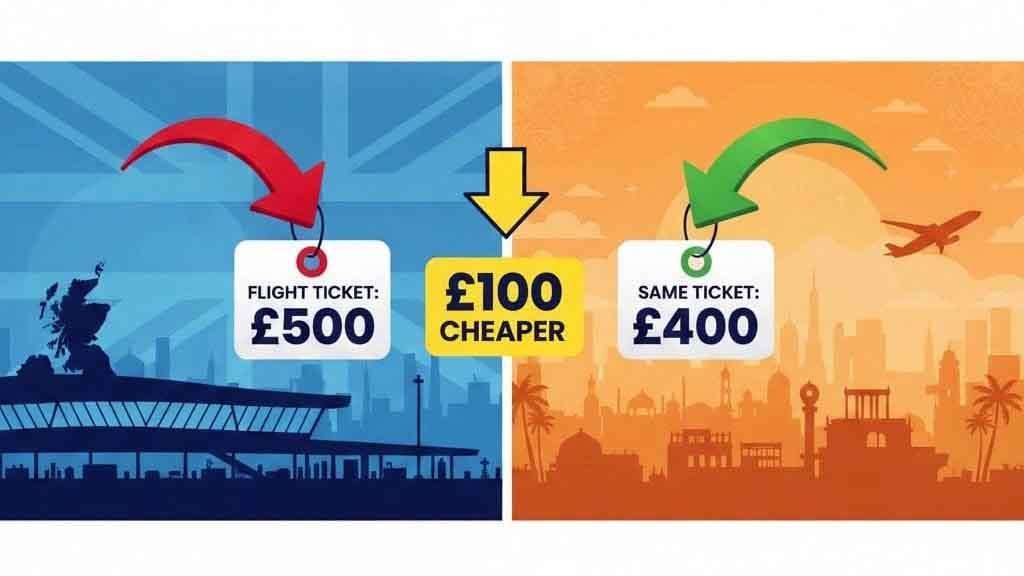
While a family in Manchester or London might see a fixed high price on their computer screens, the same ticket often carries a much lower price tag when viewed through a booking terminal in Dhaka, Delhi, or Islamabad. This discrepancy exists because airlines use dynamic regional pricing models that adjust costs based on the local economy’s purchasing power and currency strength. Industry insiders reveal that many specialist travel agents across the UK maintain "home-based" branch offices in South Asia. By processing a booking through these foreign offices, they bypass the higher UK-regulated prices, essentially "buying local" at a discount and then selling those tickets back to UK customers at a premium, often without disclosing the trick or the true original cost.
Tax Hikes Driving UK Fares Upward
This pricing gap is expected to widen further as regional airports across Britain confront what experts call an "unprecedented" surge in property tax obligations. New data from the Valuation Office Agency shows that rateable values for airports outside of London have jumped more than six-fold in some instances. Despite government transitional relief measures, major hubs like Manchester Airport are facing a staggering £4.2 million jump in business rates, bringing their annual bill to over £18 million. Birmingham International and Bristol Airport are following a similar trajectory, with liabilities climbing by millions.
A Systemic Squeeze on Passengers
Alex Probyn, a leading property tax expert at Ryan, warns that these massive tax hikes will inevitably "flow through the system," starting with increased airport charges for airlines, which are then passed directly to passengers through higher ticket prices. The Manchester Airports Group has already cautioned that these costs are making global trade harder and air travel less accessible for hard-working families. As the domestic cost of flying from the UK continues to climb due to these local economic pressures, the incentive for travellers—and agents—to look toward overseas booking loopholes grows stronger.
The Future of Fair Fare Access
AirportsUK, the trade body representing the sector, has labelled the current tax trajectory as "short-sighted," warning it could cripple local economies that depend on connectivity. For the passenger, the reality is becoming increasingly clear: the location from which you click "buy" may soon matter just as much as your destination. Unless the Treasury revises how it calculates airport business rates or airlines close the regional pricing loopholes, UK-based travellers will continue to pay a "geographic tax" that their counterparts in South Asia simply do not face.