




.svg)
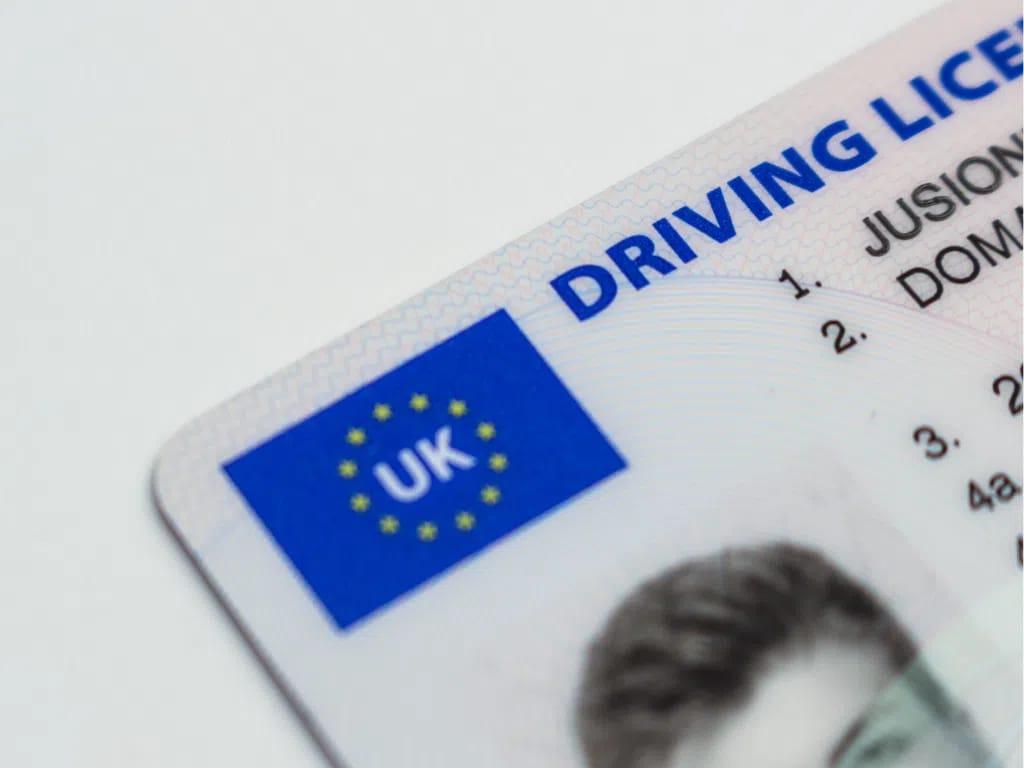
The recent sentencing of a Chester-based beautician has ignited a fierce national debate over the "exceptional hardship" loophole, as new data reveals that over 8,600 motorists in the UK are currently driving despite accumulating 12 or more penalty points. Maria Sciarrillo, 24, avoided a mandatory disqualification at Chester Magistrates' Court this week, despite being caught inhaling "laughing gas" while zig-zagging her Range Rover Evoque through traffic—marking her second drug-related driving incident in less than two years.
The court heard harrowing testimony of Sciarrillo remaining stationary at a green light for 60 seconds before driving erratically, all while holding a mobile phone and a nitrous oxide balloon. Despite a 2023 conviction for driving under the influence of ketamine, the business owner successfully argued that a ban would cripple her mobile beauty salon and prevent her from assisting her grandmother with shopping. This "business necessity" defense is a cornerstone of the legal strategies currently keeping thousands of high-risk drivers behind the wheel.
The Growing Crisis of the Exceptional Hardship Loophole
The Sciarrillo case is not an anomaly but rather a reflection of a surging trend in the British judicial system. According to the latest 2025 DVLA figures, the number of drivers dodging bans has increased by nearly 25% over the last 18 months. While the law typically dictates a six-month ban for anyone reaching 12 points within three years, approximately one in five "totting-up" offenders successfully argue that a disqualification would cause "exceptional hardship."
Legal experts note that the bar for such a plea is intended to be high, requiring proof that a ban would cause severe, disproportionate suffering to innocent parties, such as employees or vulnerable relatives. However, road safety advocates argue that the definition of "hardship" has been stretched to include mere inconveniences, such as the inability to commute easily or manage a luxury lifestyle. In some extreme cases, drivers with more than 50 points on their licenses have been permitted to continue driving, raising urgent questions about public safety and the integrity of the points system.
Nitrous Oxide and the 2025 Legal Blind Spot
Adding complexity to the Sciarrillo verdict is the current status of nitrous oxide. Although the government reclassified the substance as a Class C drug in late 2023, making possession for inhalation a criminal offense, it remains notoriously difficult to prosecute under drug-driving limits. Unlike alcohol or ketamine, nitrous oxide leaves the bloodstream so rapidly that police often cannot secure a measurable reading that meets the "prescribed limit" criteria of the Road Traffic Act.
Consequently, offenders like Sciarrillo are often charged with "driving without due care and attention" rather than the more severe "driving while unfit through drugs." This legal distinction frequently results in penalty points rather than the automatic one-year ban associated with other narcotics. As of 2025, Parliament is facing renewed pressure to reform the Road Traffic Act to include a specific offense for "impaired driving via inhalation" to close this scientific and legal gap.
The Toll of Leniency on Road Safety
The decision to grant Sciarrillo six points and a £300 fine—allowing her to return to the road in her £200,000 apartment district—has been met with criticism from road safety charities. Statistics for 2024 and 2025 show a 12% surge in total penalty points issued across Britain, with speeding and uninsured driving at record highs. Critics argue that when the courts prioritize a defendant’s business interests over the safety of other road users, it undermines the deterrent effect of traffic laws.
For now, the "exceptional hardship" plea remains a powerful tool for those who can afford specialized legal representation. As the number of banned-driver "hotspots" continues to grow in cities like Liverpool and Bradford, the balance between judicial mercy and public protection remains one of the most contentious issues in modern British law.