





_1.jpg)
.svg)
A profound transformation is sweeping through the British psyche, as a new study reveals that the concept of national identity is pivoting from shared civic values toward a more restrictive, ancestry-based definition. According to the latest 2025 analysis from the Institute for Public Policy Research (IPPR), the number of people who believe that "Britishness" is something an individual must be born with has nearly doubled in just two years. While a majority of the public still views being British as a commitment to shared ideals, a growing and vocal 36% of the population now insists that true Britishness is rooted in ethnicity, birthplace, and heritage— a significant leap from the 19% recorded in 2023.
This shift suggests that the traditional "civic" model of Britain—one defined by obeying the law, working hard, and contributing to the community—is facing its stiffest challenge in decades. The IPPR’s findings, based on extensive YouGov polling, warn of a rising tide of ethno-nationalism that seeks to redraw the boundaries of who belongs.
The Catalysts of Change: Economy and Influence
The rapid hardening of public perspectives is not occurring in a vacuum. Data suggests a complex intersection of economic anxiety and targeted political messaging. The "money economy" remains a primary driver of this shift; with the cost-of-living crisis persisting into 2025 and public services like the NHS under immense strain, many citizens have become more protective of national resources. In the IPPR study, 69% of respondents cited a well-functioning NHS and 53% cited general affordability as their top priorities for national pride. When people feel the economy is a zero-sum game, the "immigrants are taking jobs and benefits" narrative finds more fertile ground, despite official data showing that 32% of NHS England staff and a significant portion of the social care workforce are from minority ethnic backgrounds.
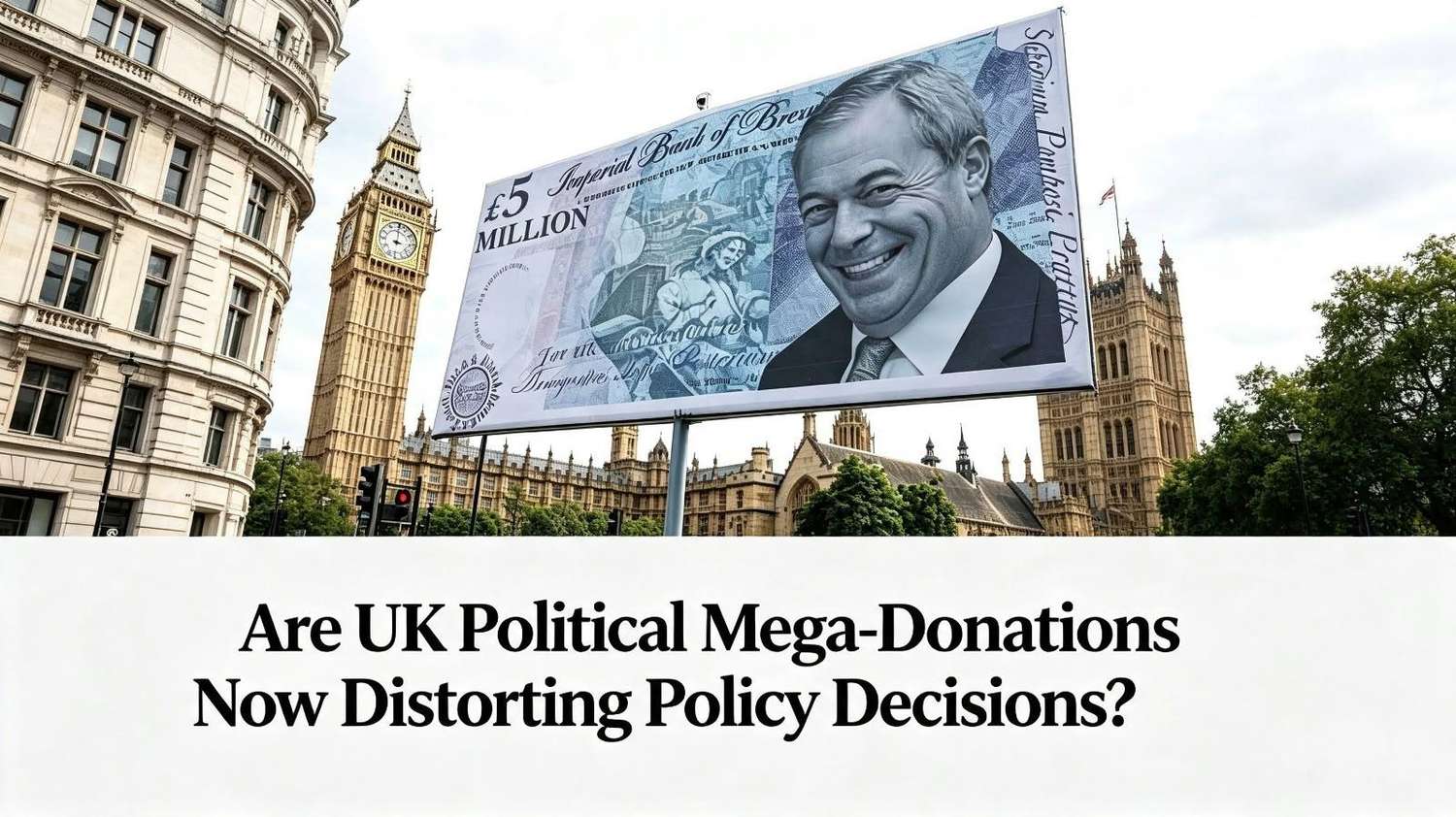
Behind this changing perspective is a concerted effort by political actors to remould national identity. The research highlights the significant influence of Nigel Farage’s Reform UK, whose supporters hold the most distinct views on identity. A striking 71% of Reform voters believe British ancestry is a prerequisite for being "truly British," while 59% view the nation as an ethnic community rather than a civic one. Experts like Parth Patel of the IPPR argue that these hard-right narratives are successfully "changing the hearts and minds" of a segment of the British public by framing belonging as an ancient right rather than a modern commitment.
A Harder Landscape for Newcomers
For immigrants, the UK has undeniably become a more challenging environment in 2025. This is reflected not just in public sentiment but in concrete policy shifts. The government’s May 2025 Immigration White Paper, titled "Restoring Control over the Immigration System," has introduced some of the strictest measures in recent history. These include raising the standard qualifying period for permanent residency from five to ten years and implementing higher English language requirements. Net migration has already begun a "collapse," falling from 860,000 in 2023 to an estimated range of 70,000 to 170,000 by 2026 due to these restrictive visa rules.
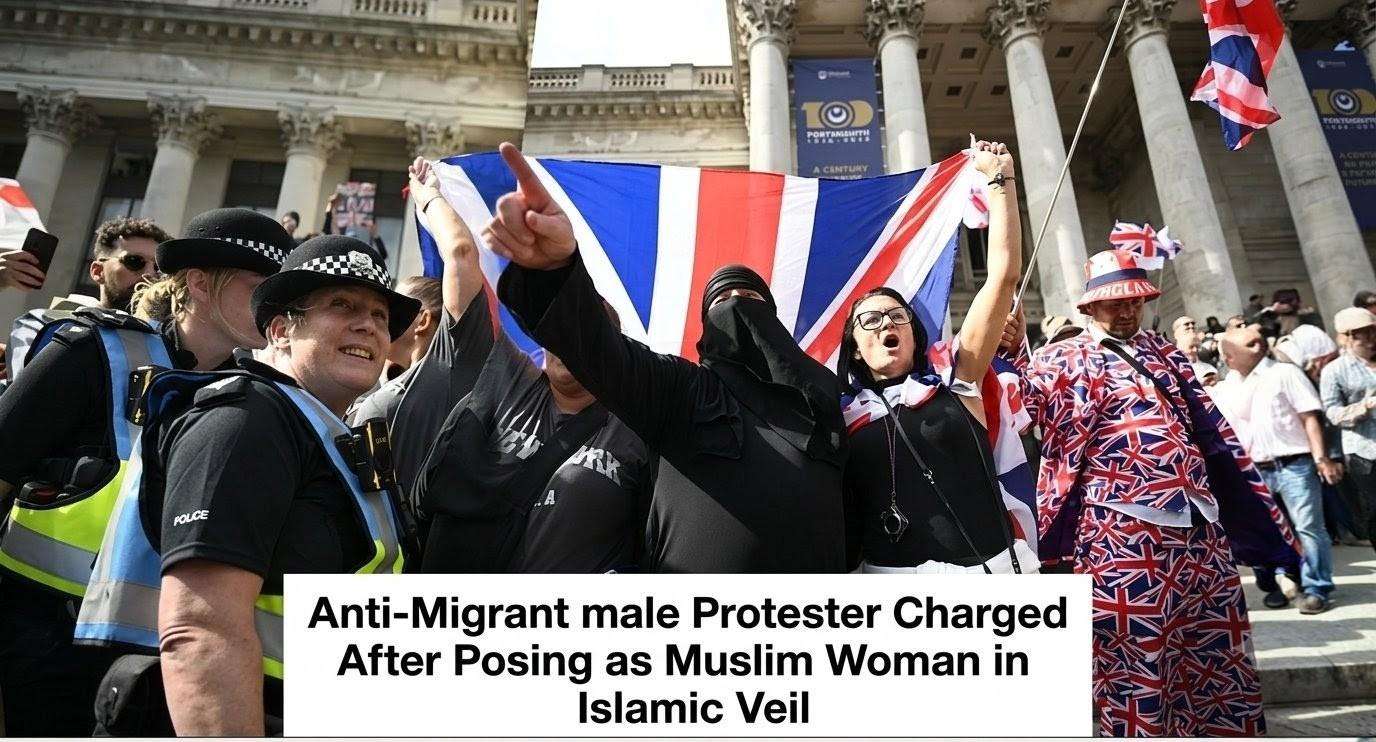
The rise of the far right has further fueled this atmosphere. High-profile demonstrations, such as the Westminster march in late 2024 that drew over 110,000 participants, have brought ethno-nationalist rhetoric into the mainstream. This has been mirrored by an uptick in racially motivated incidents; for instance, police in Avon and Somerset reported that hate crime incidents rose from 2,743 in 2022 to nearly 4,000 by the end of 2024. While the "real facts" often show that immigration is vital for staffing the UK’s critical infrastructure, the propaganda focusing on "cultural coherence" and benefit-dependency continues to dominate social media algorithms, where far-right content frequently ranks in the top five most-circulated stories.
The Persistence of Civic Pride
Despite the surge in ethno-nationalist sentiment, the heart of the British public remains anchored in inclusive values. When asked what defines a "good citizen," the top answers were consistently civic: 64% pointed to obeying the law, 62% to raising kind children, and 48% to working hard. Only a tiny fraction—just 3%—believed that having white skin was a requirement for being a good citizen. This suggests that while the "far-right fuel" is burning brightly in certain sectors, the majority of Britons still envision a country defined by what people do, rather than where their grandparents were born. The current political struggle is now a "fight for the soul of the country," as the government moves to counter the narrative that Britishness is an exclusive ethnic club.