

.svg)
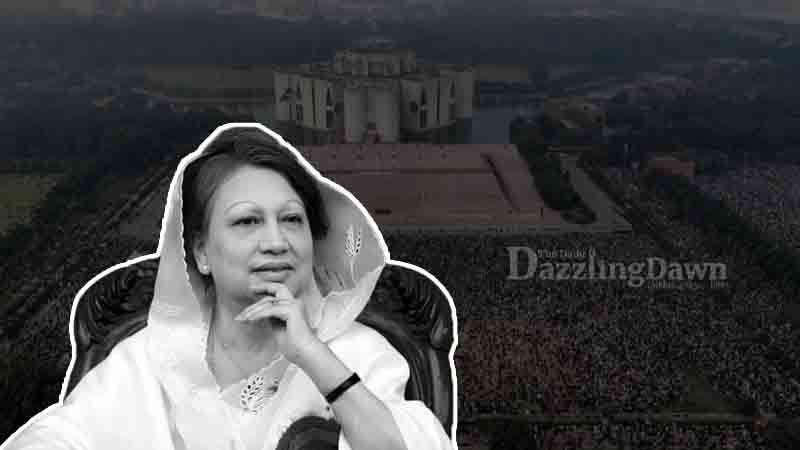
Bangladesh bid a final farewell with profound grief and respect to former Prime Minister and Bangladesh Nationalist Party (BNP) Chairperson Begum Khaleda Zia. On Wednesday, a massive crowd gathered for her funeral prayers (janaza) held at Manik Mia Avenue and the South Plaza of the National Parliament in Dhaka, where millions of mourners paid their last respects.
The country’s first female Prime Minister passed away on Tuesday morning at the age of 80 while undergoing treatment at Evercare Hospital. Following her death, Chief Adviser of the interim government Muhammad Yunus announced three days of state mourning and declared Wednesday a public holiday.
A Sea of Mourning at Manik Mia Avenue
Although the janaza began at 3:00 pm, people started gathering on the streets of the capital from early morning, turning major roads into a sea of mourners. Thousands were seen not only along Manik Mia Avenue but also on the connecting roads of Tejgaon and at entry points of the Dhaka Elevated Expressway. Special loudspeakers were installed throughout the area for the occasion, broadcasting recitations from the Holy Quran since morning.
Tight Security and State Honours
For security reasons, public access to the area surrounding the mausoleum of former President Ziaur Rahman in Sher-e-Bangla Nagar was temporarily restricted. According to the government’s decision, Begum Khaleda Zia was to be buried beside her husband, Ziaur Rahman, with full state honours at 3:30 pm. More than 10,000 security personnel were deployed to form a security cordon around the janaza and burial sites.
Presence of Foreign Diplomats and Dignitaries
Numerous domestic and international political figures and diplomats attended the janaza to bid farewell to Begum Khaleda Zia. Reflecting the international significance of her long political career, high-level representatives from various countries were present to pay tribute.
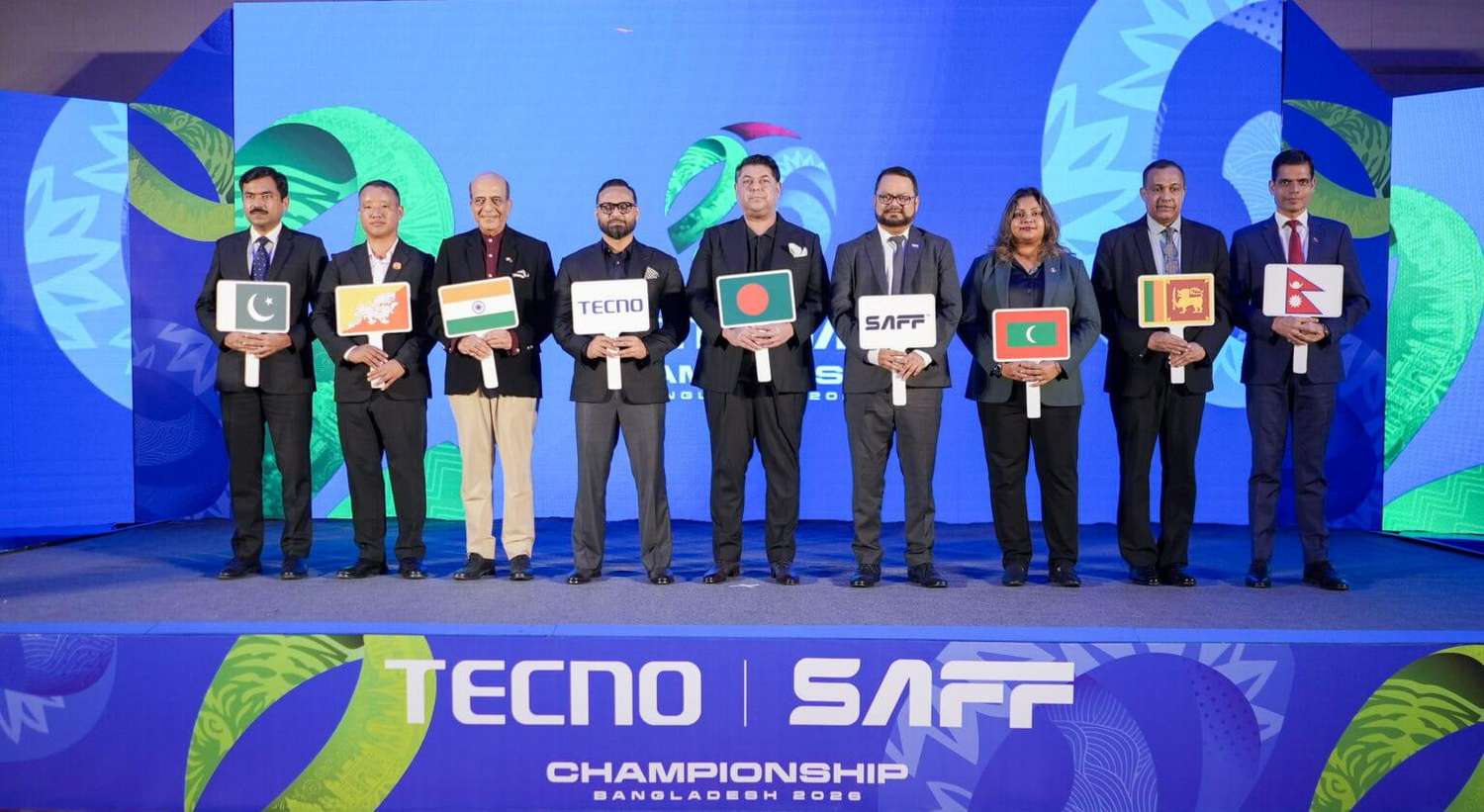
Among the foreign dignitaries were India’s External Affairs Minister Dr S. Jaishankar, attending as a special envoy of Prime Minister Narendra Modi; Pakistan’s Deputy Prime Minister and Foreign Minister Mohammad Ishaq Dar; and Pakistan National Assembly Speaker Sardar Ayaz Sadiq. Others included Nepal’s Foreign Minister Balanand Sharma, Bhutan’s Foreign Minister D. N. Dhungyel, Sri Lanka’s Foreign Minister Vijitha Herath, and Maldivian President’s special envoy Ali Haider Ahmed.
Diplomats based in Dhaka who directly attended the janaza included Chinese Ambassador Yao Wen, Indian High Commissioner Pranay Verma, Pakistani High Commissioner Imran Ahmed Siddiqui, Dutch Ambassador Joris Franciscus Gerardus van Bommel, and Omani Ambassador Jameel Haji Ismail Al Balushi. Senior diplomatic representatives from the United States, the United Kingdom, the European Union, Saudi Arabia, and Japan were also present to pay their final respects to the late leader.
The End of an Era
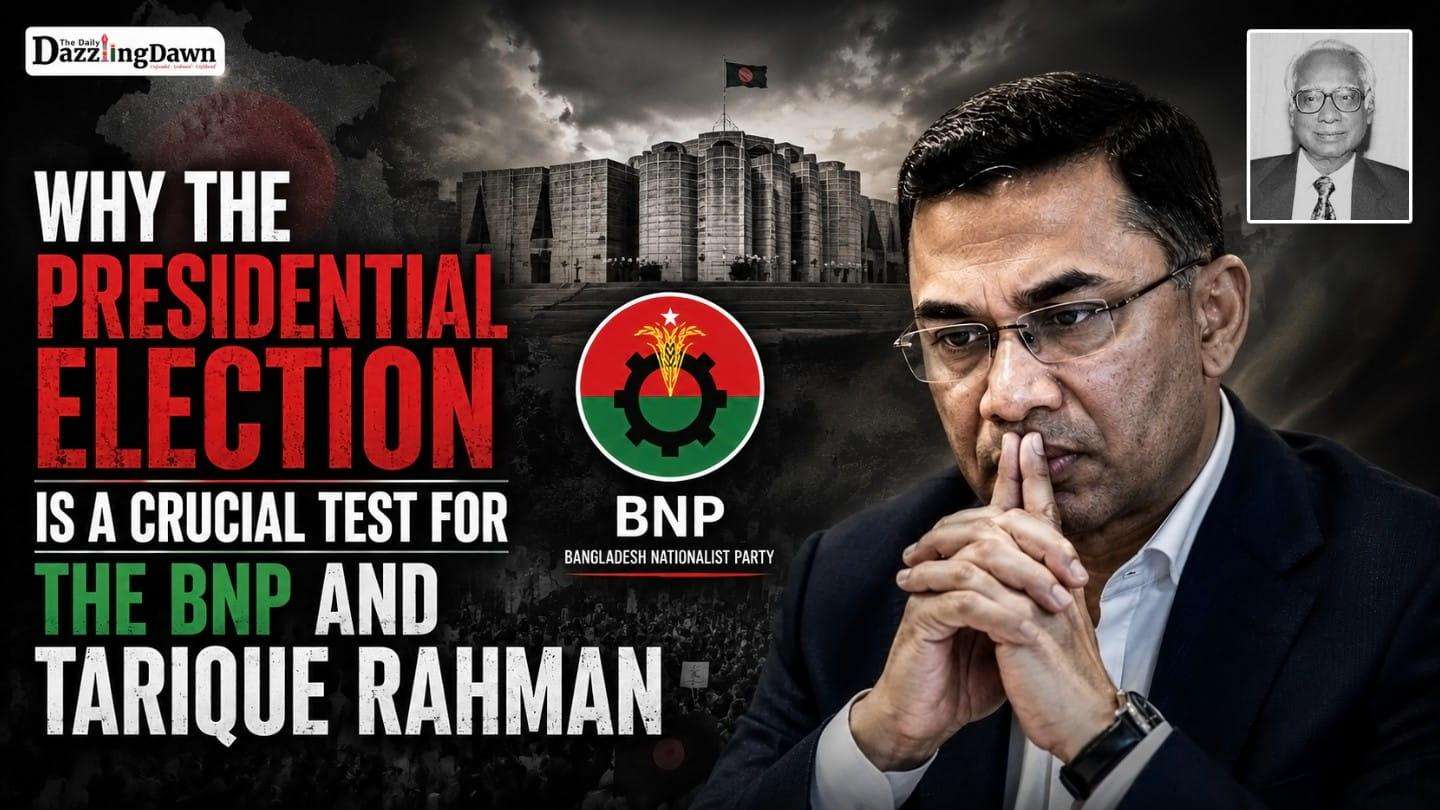
With the burial of the Islamic world’s second woman prime minister, Begum Khaleda Zia, a monumental chapter in Bangladesh’s political history has come to an end. The three-time former prime minister is remembered as the “Uncompromising Leader” who played a key role in the anti-autocracy movement and the restoration of democracy in the 1990s. Her son and BNP Acting Chairperson, Tarique Rahman, expressed gratitude to those who attended the janaza and sought prayers from the nation for his mother.

.jpg)