





.svg)
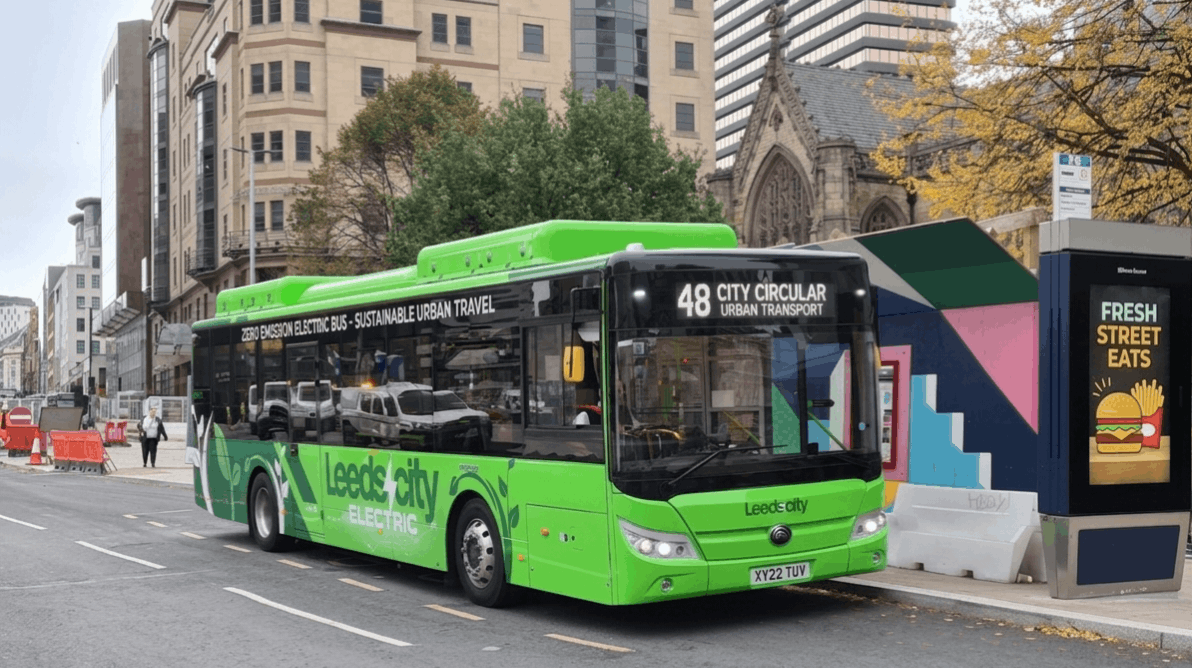
The transition to a net-zero future has hit a significant geopolitical roadblock as British security services warn that hundreds of electric buses currently operating across the UK could be remotely deactivated by Chinese authorities. Investigations conducted by the Department for Transport and the National Cyber Security Centre (NCSC) have confirmed a chilling reality: the "kill switch" technology embedded in Chinese-manufactured Yutong buses is not merely a theoretical vulnerability but a functional capability of the hardware.
While the UK government has been aggressive in its push for green public transport, the reliance on low-cost Chinese technology is creating a secondary crisis. Beyond the immediate threat to the national transport grid, the influx of these vehicles is leading to a growing mountain of "battery waste" that the UK is currently ill-equipped to process. As 2026 begins, the debate has shifted from purely environmental benefits to a complex struggle over infrastructure sovereignty and the long-term ecological impact of cheap, short-lifecycle imports.
The Kill Switch Reality and the Infrastructure Trap
Evidence first emerged from Norway, where the transport operator Ruter discovered that Yutong’s headquarters in Zhengzhou maintained the ability to "stop or disable" vehicles via onboard SIM cards intended for software updates. Despite these findings, the UK remains in a difficult position. Whitehall sources indicate that because there is no evidence of the "kill switch" being actively used for sabotage yet, ministers lack the legal mechanism to block current sales without sparking a major diplomatic row.
This leaves the UK’s transport network in a precarious state of "managed vulnerability." While operators like Stagecoach and First Bus utilize these vehicles to meet carbon-cutting targets, security experts warn that the same connectivity allowing for remote diagnostics acts as a back door for Beijing. The vulnerability is centered on the battery management systems (BMS), which are the brain of the electric vehicle. If accessed, the BMS can be commanded to disconnect the power supply entirely, rendering the bus a multi-ton paperweight in the middle of busy metropolitan arteries.
The Looming Environmental Crisis of Discarded Power
The security risk is only one half of the story. The UK’s rapid adoption of Chinese EVs and buses is creating a massive "battery waste" problem. Chinese manufacturers currently dominate the supply chain for lithium-ion batteries by utilizing a high-volume, low-cost model that often prioritizes immediate affordability over long-term recyclability. As the first generation of these imported buses approaches its mid-life cycle, the UK is facing a shortage of domestic facilities capable of processing the specific chemical compositions of these Chinese-made cells.
Under the government’s 2026 waste reforms, retailers and manufacturers will soon be legally responsible for the "end-of-life" costs of electronic goods. However, with the majority of the value and technical data for these batteries held by companies in Zhengzhou or Shenzhen, the UK risks becoming a dumping ground for degraded battery packs that are expensive to dismantle and dangerous to store. The reliance on these "cheap" imports is increasingly seen as a false economy that trades immediate carbon savings for a future of toxic waste management and high-cost environmental remediation.
Economic Sovereignty and the 2026 Diplomatic Tightrope
The Labour government’s green power plans are heavily reliant on private sector capital, much of which is currently flowing from Chinese investment. This creates a glaring contradiction in British policy: while the NCSC monitors the threat of remote deactivation, Downing Street is simultaneously encouraging the very investment that deepens this dependency. Later this month, the Prime Minister is expected to visit China, marking a pivotal moment in determining how the UK will balance its climate goals with national security.
The approval of a massive new Chinese embassy in the City of London—positioned near critical financial data cables—further illustrates this tension. As the UK strives to meet its "Simpler Recycling" milestones by March 2026 and its Zero-Emission Vehicle (ZEV) mandates, the pressure to decouple from Chinese high-tech infrastructure is clashing with the economic reality that, for now, China offers the only scale-ready solution for a rapid green transition.


.jpg)