





_1.jpg)
.svg)
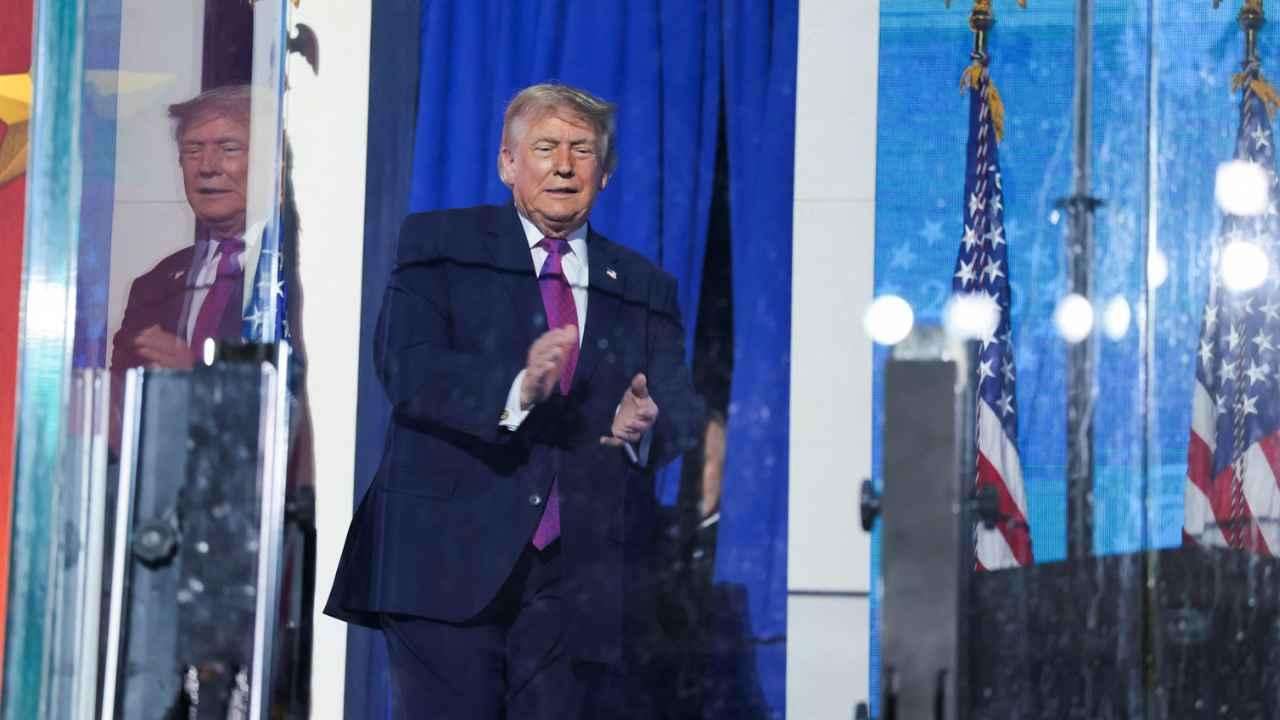
The geopolitical thermometer in the Arctic has hit a breaking point this January 2026. Fresh off the high-velocity military operation that saw the capture of Nicolás Maduro in Venezuela, President Donald Trump has turned his gaze toward the world’s largest island: Greenland. This is no longer the real estate "tweet-diplomacy" of 2019; the White House has officially confirmed that military force is "always an option" to secure what it deems a vital national security asset. As the Trump administration begins the process of liquidating billions in Venezuelan oil, the world is left asking if a NATO ally is truly the next target for a "victory belongs to the spoils" doctrine.
The Strategic Fixation: Why Trump Wants the Arctic Crown
The fixation is fueled by a volatile cocktail of 19th-century territorial ambition and 21st-century resource warfare. Beyond the optics of a "giant island with his name on it," as some critics suggest, the administration is eyeing Greenland’s untapped mineral wealth. The island holds approximately 18% of the world’s rare earth reserves—critical for everything from EV batteries to F-35 fighter jets. For a president obsessed with breaking China’s 90% stranglehold on these supply chains, Greenland isn't just land; it is the ultimate industrial insurance policy. Furthermore, with the Arctic ice thinning, the emergence of new, navigable trade routes makes Greenland the "Manhattan of the North," a gateway that Trump believes must be under American, not Danish, control to "deter adversaries" like Russia.
The UK’s Vital Interest: The GIUK Gap and the NATO Fracture
For the United Kingdom, Greenland is not a distant ice sheet but a cornerstone of national survival. It forms the northern anchor of the "GIUK Gap" (Greenland, Iceland, and the UK), the strategic naval chokepoint through which the Russian Northern Fleet must pass to reach the Atlantic. British military figures, including former Defense Secretary Ben Wallace, have warned that any unilateral U.S. move would leave the UK’s backyard in chaos. If Trump follows the "Venezuela Blueprint"—bypassing international law to seize assets—the UK finds itself in an impossible bind. While Prime Minister Keir Starmer has joined European heavyweights like German Chancellor Friedrich Merz in declaring that "Greenland belongs to its people," the UK's dependence on the "Special Relationship" makes a firm military rebuttal unlikely.
The European Dilemma: Can Anyone Stop the "Venezuela Blueprint"?
The chilling precedent set in Caracas has sent shockwaves through Brussels and Berlin. In Venezuela, the U.S. successfully deposed a leader and seized control of oil revenues to "benefit the people of the U.S. and Venezuela." European leaders are now forced to consider if Trump would apply similar economic and military pressure to Denmark. While Chancellor Friedrich Merz and President Emmanuel Macron have issued a rare joint rebuke, the actual "teeth" of European resistance remain blunt. Experts suggest that if the U.S. were to move kinetic assets toward Nuuk, Europe’s only real leverage would be a total trade decoupling—a move that would likely collapse the Eurozone before it stopped the White House. The consensus is grim: the post-war order is in tatters, and the "national self-interest" era has arrived.
Risk Analysis: A Powder Keg in the Permafrost
The risk of a "sooner-than-expected" escalation is high. Trump’s rhetoric has moved from "buying" to "national security priority," a shift that usually precedes executive action. The risk is not just a diplomatic rift but a total collapse of NATO. Former National Security Adviser John Bolton has warned the alliance is in "grave jeopardy." If the U.S. moves against a territory of a NATO founding member (Denmark), the mutual defense treaty effectively dies. On the ground, Greenland’s 57,000 residents are caught in a pincer movement between U.S. ambitions and the reality of being a strategic pawn. The risk of miscalculation is immense; while the U.S. claims Russian and Chinese ships are "stalking" the fjords—a claim Denmark flatly denies—the manufactured "security crisis" provides the perfect pretext for a pre-emptive strike.
The Farage Factor: Trump’s Man in Westminster
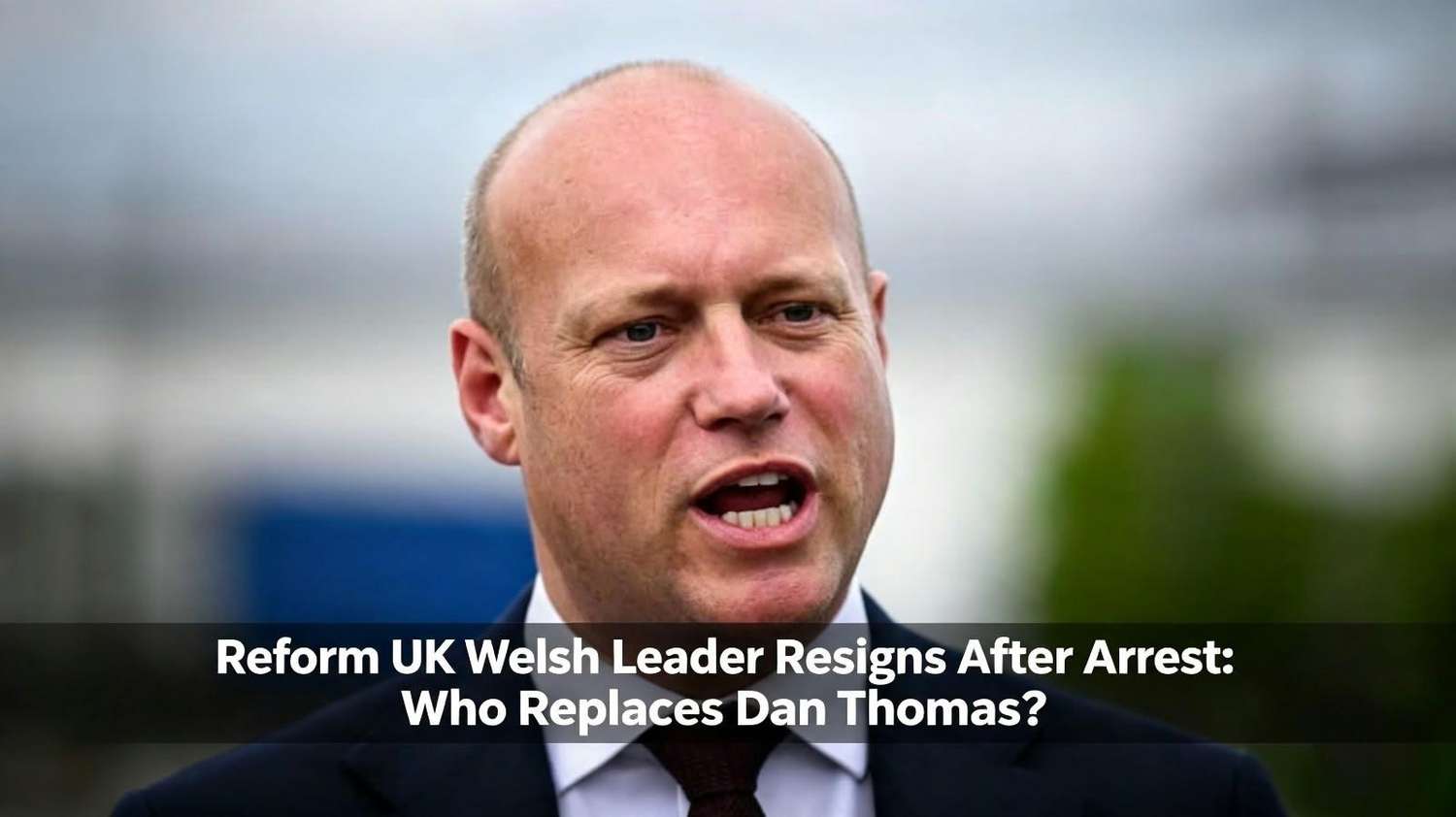
Amidst the tension, the most prominent bridge between the two administrations is Reform UK leader Nigel Farage. Farage has positioned himself as the sole British politician capable of "translating" Trumpism for the UK. While he acknowledges the sovereignty of Denmark, Farage has echoed Trump’s "genuine security concerns," suggesting that international law is "outdated" and "no longer fit for purpose in 2026." As Starmer’s government "ducks and weaves" to avoid offending the White House, Farage remains the closest political ally to the president, acting as a barometer for how much of the British public might be persuaded to accept a new, Trump-led Arctic order in exchange for favorable trade terms.