




.svg)
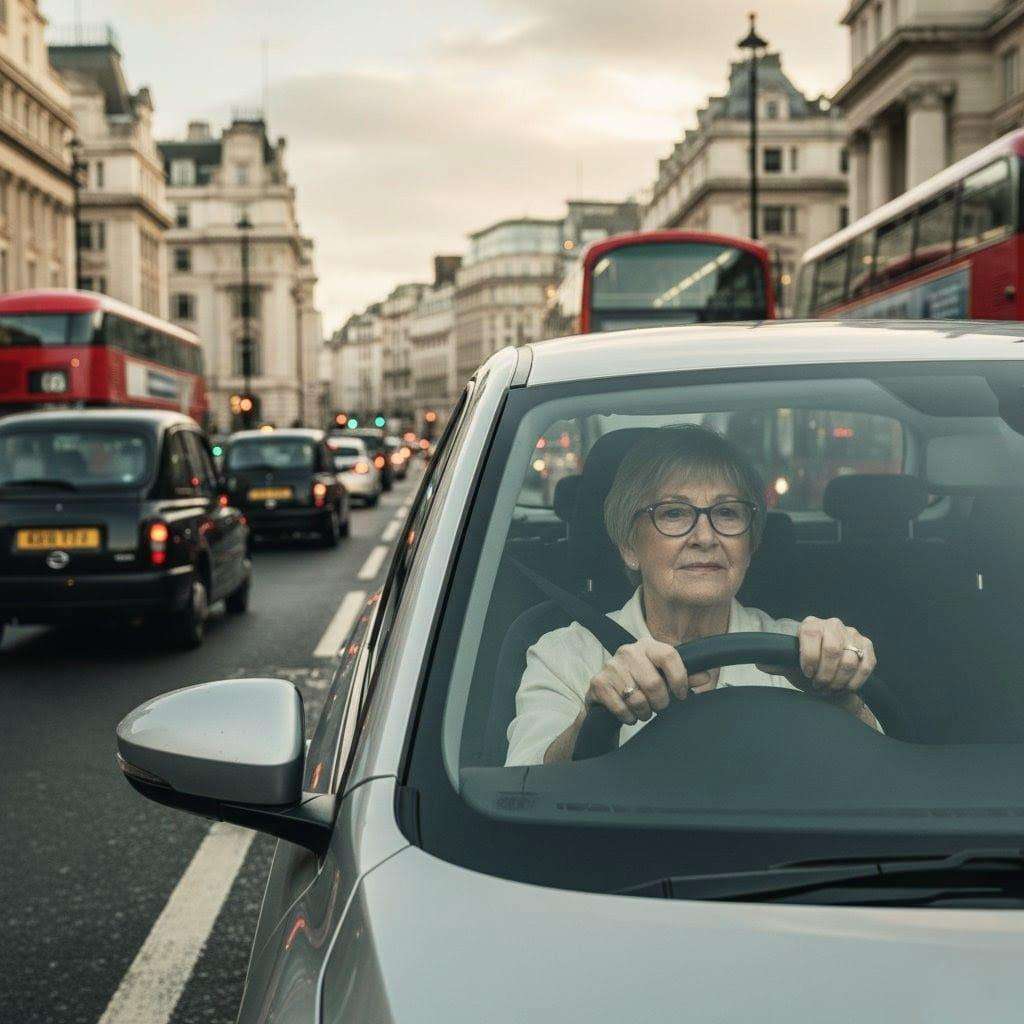
The long-standing debate over whether older motorists should be subjected to mandatory driving retests has reached a fever pitch, fueled by a growing consensus among safety experts and, surprisingly, senior citizens themselves. For decades, the conversation around aging drivers has been treated as a sensitive, almost taboo subject, often dismissed as an attack on personal independence. However, a shifting demographic and the increasing complexity of modern road conditions are forcing a national conversation that prioritizes public safety over individual sentiment.
Current UK regulations allow drivers to maintain their licenses indefinitely after age 70, provided they self-certify their fitness every three years. This honor system is increasingly viewed as an outdated relic of a simpler era. Critics argue that natural physiological changes—such as slower reaction times, cognitive decline, and diminished peripheral vision—cannot be accurately self-assessed by the individual. The call for mandatory eye examinations is being framed not as a targeted strike against the elderly, but as a fundamental safety measure designed to protect all road users.
Despite the scrutiny on "silver drivers," the statistical reality of UK road safety adds a layer of complexity to the argument. While the elderly face challenges with physical frailty, data from the Department for Transport consistently shows that younger drivers remain the most significant risk group. Motorists aged 17 to 24 make up only about 7% of license holders but are involved in nearly a quarter of all fatal collisions. This stark contrast suggests that while older drivers may struggle with declining faculties, younger drivers are frequently compromised by inexperience and high-risk behaviors such as speeding or distraction.
The reality of modern infrastructure presents a daunting challenge for those with declining faculties. Roads are more congested than ever, digital distractions are omnipresent, and the sheer volume of traffic has increased exponentially. For a driver who passed their test in the 1960s or 70s, the environment has changed beyond recognition. Proponents of reform suggest that periodic practical assessments would serve as a vital health check for driving skills, identifying those who may need minor adjustments to their habits and respectfully transitioning those who are no longer safe to be behind the wheel.
While opponents cite the potential for social isolation among the elderly, advocates for retesting argue that the cost of inaction is far higher. They point to harrowing accounts of accidents caused by pedal confusion or unintended lane departures—incidents that might have been prevented by a professional evaluation. By framing these tests as a standard part of the aging process, much like regular medical screenings, society can remove the social stigma and focus on the ultimate goal of road safety.
The momentum for legislative change is building as insurance companies and road safety charities release data suggesting that targeted interventions for senior drivers could significantly reduce the rate of serious collisions. However, any new policy must account for the nuance of the data, recognizing that while older drivers may need more frequent health checks, the volatility of younger motorists remains a primary concern for authorities. The goal is a balanced approach that respects the dignity of seniors while acknowledging that road safety is a collective responsibility that must evolve alongside the drivers it aims to protect.