

.jpg)


.svg)
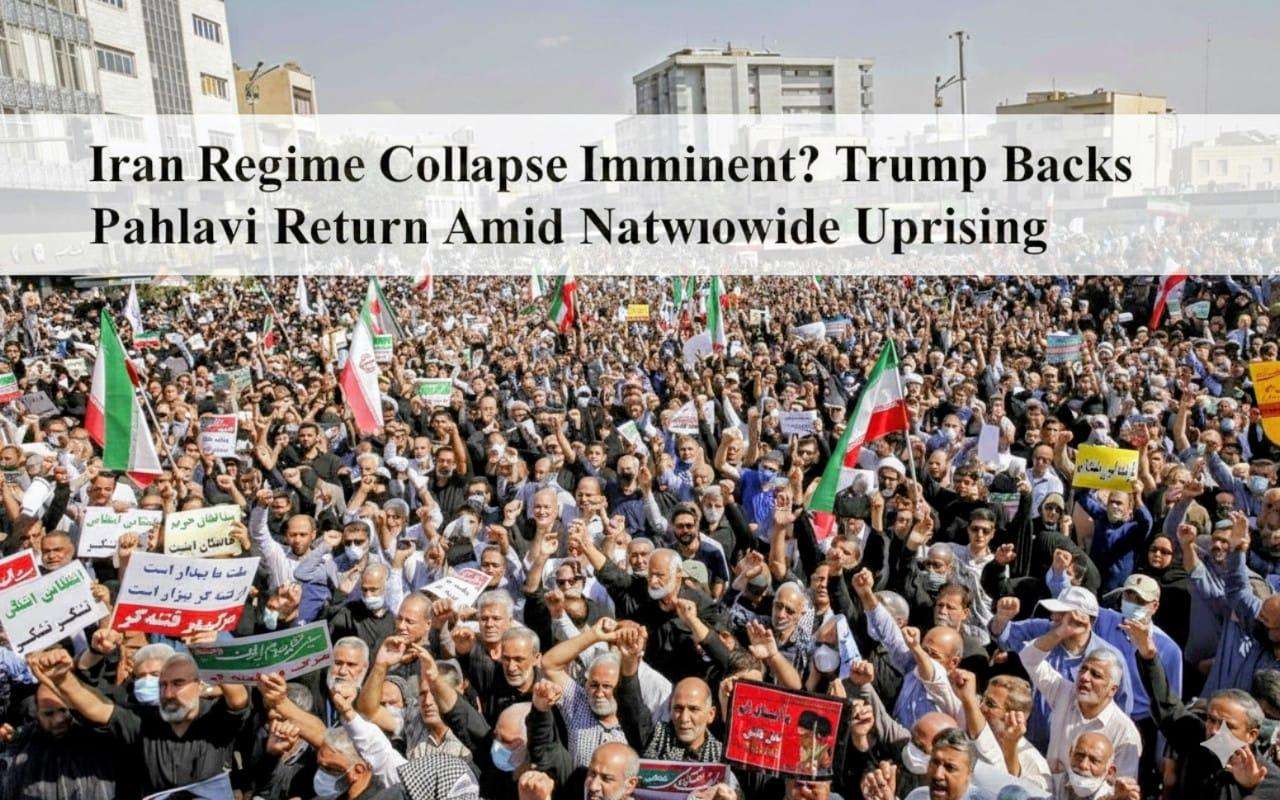
The Islamic Republic of Iran is facing an existential reckoning as nationwide protests, now entering their third week, have transformed the capital into a high-stakes battleground. What began as a desperate outcry over a collapsing economy—where the Rial has plummeted to 1.4 million per dollar—has shifted into an organized movement for regime change. On Saturday, authorities confirmed the arrest of over 100 individuals in the Baharestan district alone, accusing them of using firearms against security forces. The judiciary’s threat of the death penalty has done little to deter the masses; instead, it has galvanized a population that feels it has nothing left to lose.
The Pahlavi Factor and the Trump Doctrine
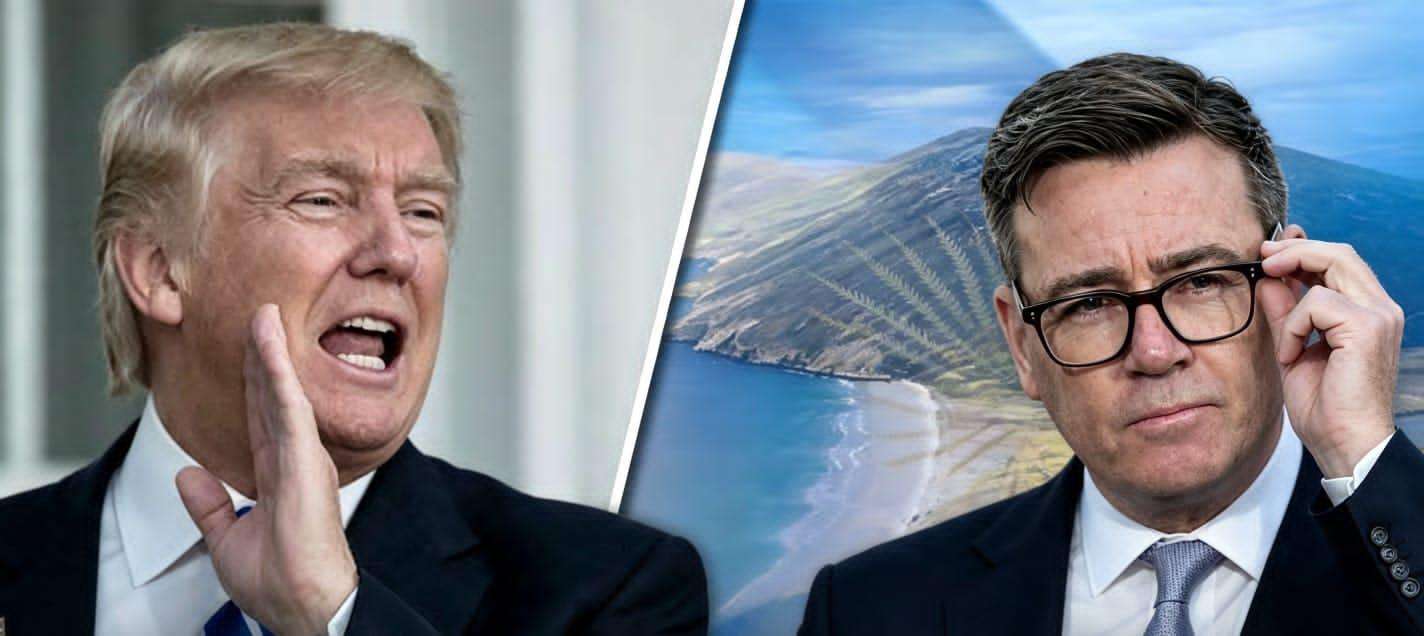
From exile, Crown Prince Reza Pahlavi has emerged as the movement’s central figure, calling for a "million-man march" to seize city centers. His influence has reached a fever pitch, with "Javid Shah" (Long Live the Shah) echoing through the streets of 180 cities. This resurgence of monarchist sentiment is being fueled by an unprecedented endorsement from Washington. President Donald Trump has discarded traditional diplomatic caution, declaring the U.S. "locked and loaded" to intervene. Trump’s warning—that the U.S. will "start shooting" if the regime continues to kill unarmed protesters—has raised the specter of a U.S.-backed transitional government. Critics, however, warn that Pahlavi could become a "puppet leader," potentially repeating the historical mistakes of 1953 and fueling accusations that the uprising is a foreign-funded coup rather than a domestic revolution.
Funding the Resistance and the Digital Front
The regime has responded by cutting the nation off from the global internet, a blackout now entering its third day. Despite this, activists are bypassing the "digital iron curtain" using Starlink terminals and covert U.S.-funded circumvention tools. Tehran has consistently accused the U.S. and Israel of "fomenting sedition" through financial pipelines. While the U.S. denies direct funding of the rioters, the "maximum pressure" campaign—including the recent bombing of nuclear facilities and the seizure of Iran’s shadow oil fleet—has effectively funded the unrest by bankrupting the state.
From Dhaka to Tehran: A New Age of Revolution
Geopolitical analysts are drawing undeniable parallels between the current Iranian uprising and the 2024 Bangladesh revolution. Much like the fall of the Hasina government in Dhaka, the Iranian movement is led by "Gen Z" activists who have successfully bridged the gap between student intellectuals and the working-class bazaar merchants. Both movements saw a rapid escalation from economic grievances to a total rejection of the ruling elite. Fact-checkers note that in both cases, the regimes initially tried to offer minor economic concessions—such as Iran's recent $7 monthly food subsidy—only for the public to respond with demands for the "execution of the dictator."
The Edge of the Abyss
As the IRGC warns of a "severe response" and the Shah’s son prepares for a return, the world is watching a geopolitical tinderbox. The involvement of Donald Trump adds a volatile layer of unpredictability, with the international community divided on whether his intervention will save the Iranian people or ignite a regional conflagration. With the internet dark and the streets full, Iran stands at the precipice of its most significant transformation since 1979.