



.svg)
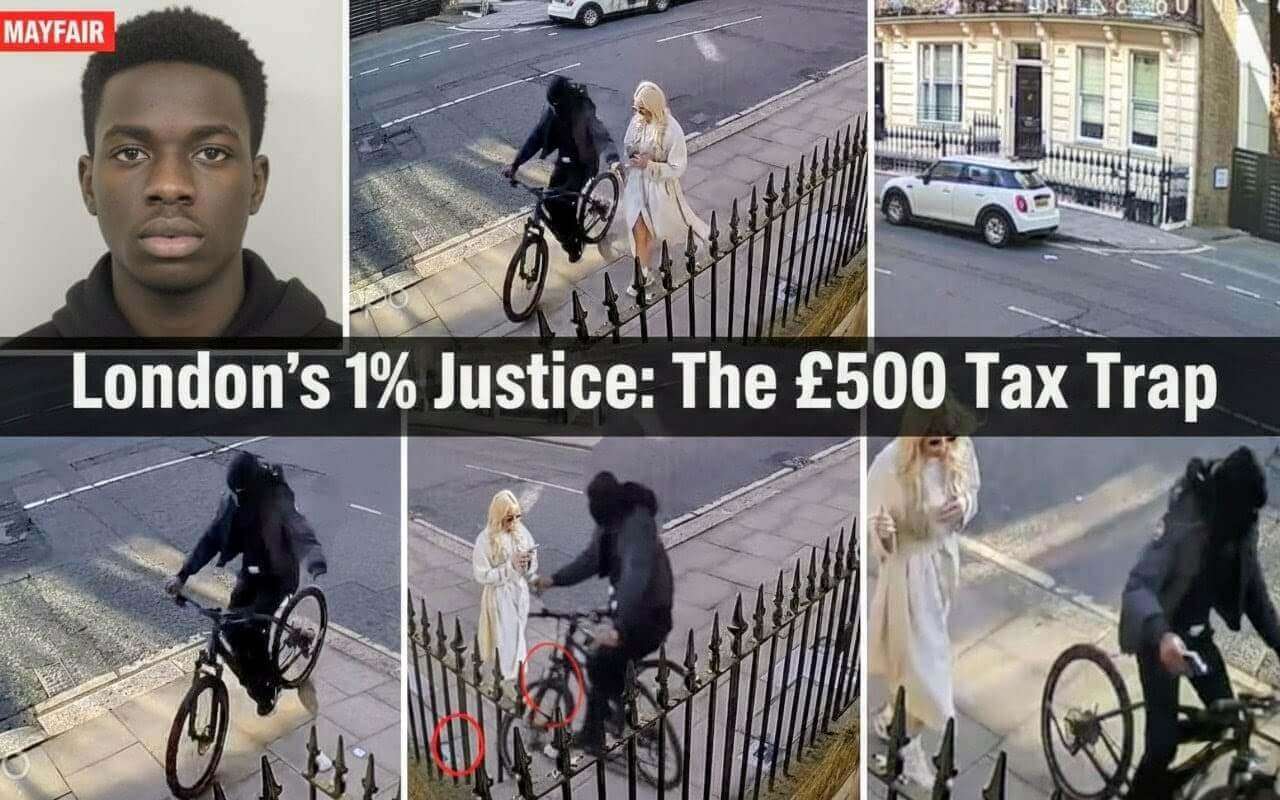
The Dazzling Dawn presents a critical deep dive into the Mayor’s latest budget, questioning if Londoners are being asked to pay a "theft premium" for a service that currently delivers a 99% failure rate in phone recovery.
The Grand Illusion of the Policing Precept-City Hall’s latest proclamation is bold: a £20.13 hike in the average Band D council tax bill to fuel a "major crackdown" on the mobile phone gangs terrorizing the capital. For the first time in history, the Greater London Authority (GLA) share of your tax bill will breach the £500 barrier. Mayor Sadiq Khan frames this as a "difficult decision" to secure a record £1.22bn investment in the Metropolitan Police. Yet, a cold look at the data suggests this is less of a strategic strike and more of a financial sticking plaster. The Met is currently gasping for air under a £20m budget gap projected for 2026-27, meaning much of this "new" funding may simply be swallowed by existing deficits rather than new boots on the ground.
The 1% Reality Check: Paying More for Less-The most damning indictment of the current strategy isn't the lack of cash, but the lack of results. In 2024, mobile phone thefts in London surged to 117,211—a 25% increase from 2019 levels. This equates to one phone being snatched every four minutes. Despite the rhetoric of "smashing gangs," the Met’s own figures reveal a staggering systemic failure: only 1% of these thefts result in a charge or conviction. Critics, including Assembly Member Neil Garratt, point out that the Mayor has been "idling" while the epidemic matured. Increasing the tax burden on households already struggling with a 5% overall hike across most boroughs feels less like a solution and more like a penalty for the police's inability to screen more than half of these crimes for investigation.
The Tower Hamlets Paradox: When Heavy Spending Fails to Stop the Surge-If money were the cure, Tower Hamlets would be London’s safest sanctuary. The borough has pioneered an aggressive spending model, investing a staggering £8m into community safety—more than any other London local authority. This "Anti-Crime Task Force" includes nearly tripling the number of Tower Hamlets Enforcement Officers (THEOs) and an £895,000 upgrade to a state-of-the-art digital CCTV control room. The results, however, tell a cautionary tale for the rest of London. Despite 29,500 hours of patrols in 2024, violence and sexual offences in the borough actually rose by 9% in 2025, reaching 11,527 incidents. While the council claims success in issuing fines for anti-social behavior, the core "danger" metrics remain stubbornly high, with the borough frequently appearing in London’s top 20 most dangerous areas. It raises the ultimate question: if an £8m hyper-local investment can't suppress violent crime trends, will a £15 tax increase across London truly "smash" sophisticated international phone trafficking rings?
Structural Failures and the Diversion of Funds-The skepticism grows when looking at where the money actually goes. While the Mayor highlights phone theft to justify the tax, the draft budget is a sprawling wishlist of social and infrastructure projects. Alongside the police funding, £100m is earmarked for free school meals and hundreds of thousands for business cases for the West London Orbital rail. While these are socially valuable, they blur the lines of "crucial" crime-fighting funds. Furthermore, the Met's reliance on the local precept has shifted significantly; it now covers 25% of the budget compared to 19% in 2016. As central government funding remains stagnant in real terms, Londoners are effectively being double-taxed for a policing service that is increasingly becoming a luxury rather than a guarantee.
The Verdict: A Crisis of Competence Not Currency-The Dazzling Dawn’s analysis suggests that London’s crime epidemic is not a result of a shallow purse, but of a deep-seated crisis in investigative priority. With over 116,000 phones stolen annually and the Met "screening out" nearly 50% of reports without a second look, a £20 tax hike is unlikely to change the 1% conviction rate. Without a fundamental shift in how the Met uses its existing £1.16bn to prosecute the "international criminal trade" the Mayor cites, the 2026 council tax increase may be remembered as nothing more than a record-breaking levy on a city that continues to lose its connection to safety.

.jpg)
.jpg)