





.svg)
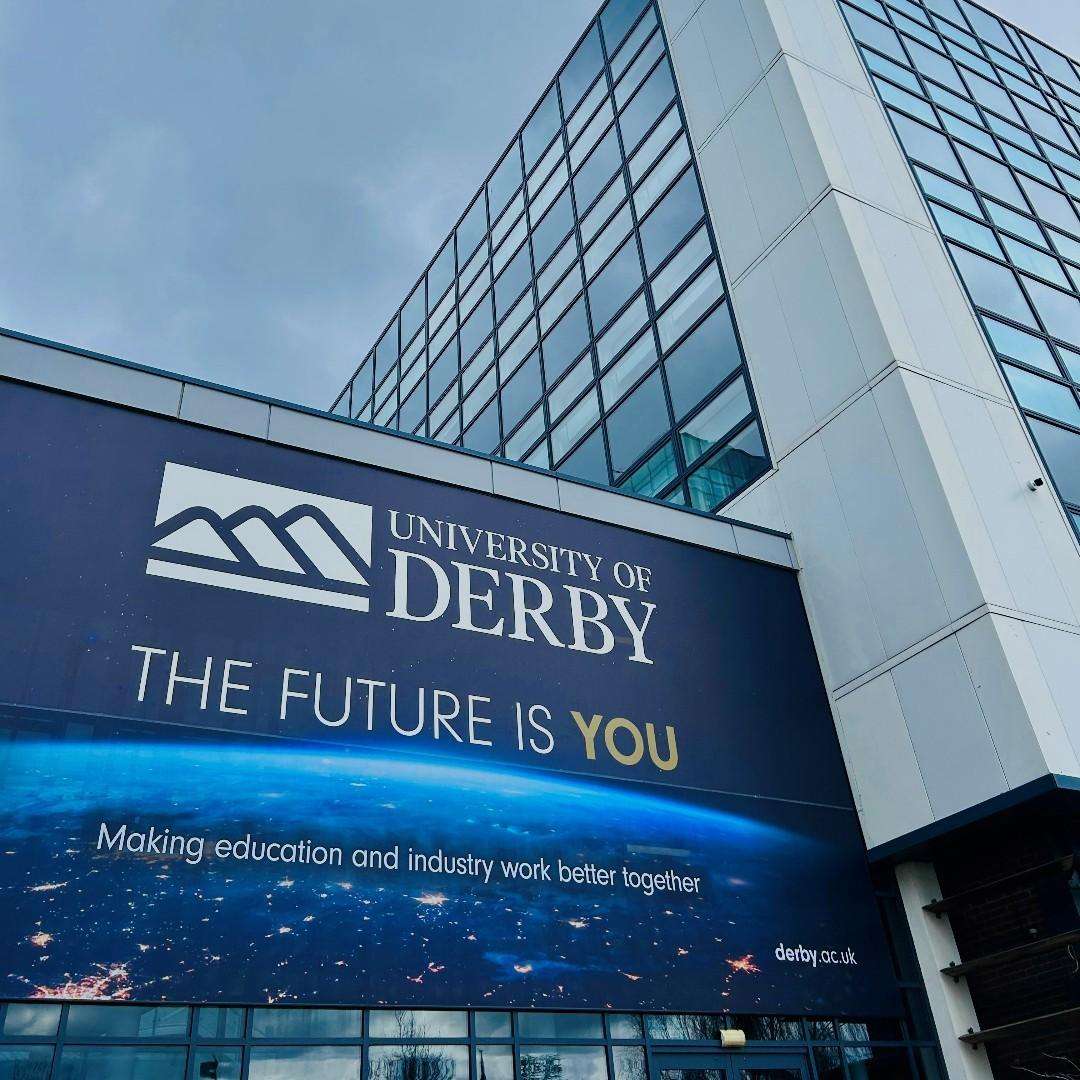
The University of Derby’s decision to halt recruitment from Pakistan and Bangladesh is the first major domino to fall in a wider institutional retreat from "high-risk" markets.
The New 5% Compliance Reality
British higher education is entering a period of enforced selectivity following the UK government’s "Restoring Control" immigration white paper. Under these revised Basic Compliance Assessment (BCA) metrics, universities must now maintain a visa refusal rate of less than 5%, a significant drop from the previous 10% ceiling. For institutions like Derby, where regional refusal rates for Pakistan and Bangladesh have historically fluctuated well above this new limit, the risk of losing their sponsor license has become an existential threat. This has triggered an immediate internal review of all South Asian recruitment pipelines to avoid Home Office sanctions.
South Asian Visa Refusal Landscape
Current Home Office data for the 2025/26 cycle reveals a stark divergence in approval trends across South Asia. While India maintains a stable 96% grant rate, other nations have seen a dramatic spike in rejections that makes university sponsorship nearly impossible under the new 5% rule. Bangladesh currently faces the highest hurdle with a staggering 37% refusal rate (a 63% grant rate), followed closely by Pakistan at 26% (a 74% grant rate). Nepal has also seen its grant rate slip to 84%, placing it well into the "high-risk" category for UK institutions. These figures represent a 95% to 600% year-on-year increase in rejections for these specific markets, primarily due to the Home Office’s intensified focus on "genuine student" intent.
High-Scrutiny "Credibility" Tactics
Applicants from South Asia now face a gauntlet of "high-scrutiny" interview questions designed to probe for non-genuine intent. Beyond standard academic inquiries, Home Office agents and university compliance officers are focusing on the "Financial Logic" of the move. Applicants are being asked to justify the return on investment (ROI) by comparing specific UK salary prospects against those in their home country, with a focus on how they will repay high-interest local loans without working more than the permitted 20 hours. Interviewers are also demanding "Micro-Module Knowledge," requiring students to describe specific syllabus components and assessment methods of their chosen course to prove the application wasn't handled entirely by a third-party agent.
Targeted Visa Bans and the "Emergency Brake"
While Derby has moved pre-emptively, the Home Office is preparing to activate a formal "Visa Brake" for specific nations. Effective March 26, 2026, the government will officially refuse student visa applications from nationals of Afghanistan, Cameroon, Myanmar, and Sudan. This drastic measure stems from data showing a 330% surge in asylum claims originating from legal study routes. Although Pakistan and Bangladesh are not yet on this absolute "brake" list, they are currently subject to "enhanced scrutiny," which includes intensive audits of bank statements, social media activity, and intent-to-study interviews, placing them in a de facto secondary tier of restricted access.
Ranking Risks and Financial Fallout
The strategic abandonment of these markets carries a heavy price tag for university prestige and global standing. International student fees traditionally cross-subsidize high-cost research activities. With a projected £3.4 billion aggregate revenue shortfall across the sector by late 2026, institutions are forced to scale back research infrastructure and staff-to-student ratios. As "Research Excellence" and "International Outlook" are core metrics in the QS and Times Higher Education (THE) world rankings, this financial contraction is expected to trigger a downward trend for mid-tier UK universities, potentially pushing several out of the global Top 500.
Strategic Pivot to Low-Risk Markets
To compensate for the loss of South Asian volume, major UK institutions are shifting recruitment budgets toward "low-risk" hubs such as China, Saudi Arabia, and the UAE. This move is designed to stabilize compliance scores but faces criticism for undermining the UK’s goal of educational diversity. Experts predict that more universities will follow Derby’s lead by April 2026, effectively creating a "two-tier" system where students from certain jurisdictions face nearly insurmountable barriers to entry regardless of their academic merit.