






.svg)
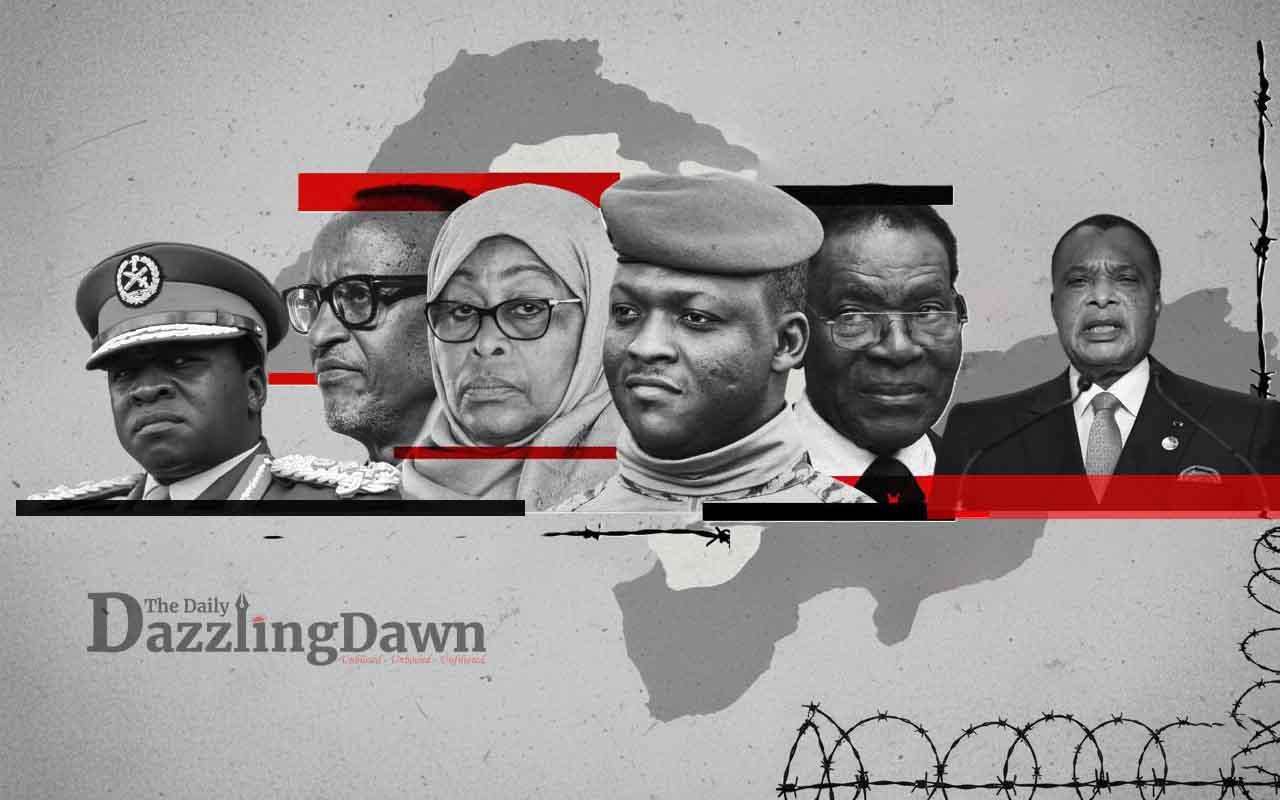
Behind the glossy facade of infrastructure projects and the rising skyscrapers of Kigali and Addis Ababa, a more sinister transformation is gripping the African continent. While global headlines often focus on sporadic coups, a deeper, more calculated crisis of authoritarianism is dismantling the social and economic fabric of dozens of nations. This is not the flamboyant tyranny of the 1970s; it is a modern, technocratic brand of "Developmental Authoritarianism" that trades human rights for economic metrics—often while concealing systemic corruption that ensures wealth never reaches the bottom.
The Mirage of the Economic Miracle
The greatest trick of modern African autocrats has been the "Stability for Growth" bargain. Nations like Rwanda and Ethiopia have long been hailed by the West as "developmental darlings." In these states, centralized power is used to push through massive state-led investments and industrial parks. Rwanda, under Paul Kagame, has undeniably improved its healthcare and Ease of Doing Business rankings. However, this success is often a "managed miracle." Independent economists warn that the aggressive manipulation of economic data and the suppression of local entrepreneurship—lest it fund a political rival—creates a brittle economy. When growth is dictated from the top, it lacks the resilience of a market-driven system, making these nations heavily dependent on foreign aid and high-interest loans that mortgage the future of the youth.
Corruption as a State Operating System
In countries like Equatorial Guinea and Cameroon, authoritarianism is not a means to an end; it is the end itself. For Teodoro Obiang and Paul Biya, the state is less a government and more a family-run extraction business. Corruption in these regimes is not a "bug" in the system; it is the operating system. By criminalizing dissent and dismantling the free press, these leaders have removed the only mechanisms that can track where oil and mineral wealth goes. The result is a staggering inequality where the elite shop in Paris and Dubai while 70% of the population lives on less than $2 a day. This brand of kleptocracy destroys the "social contract," leading to a disillusioned populace that sees the state as a predator rather than a protector.
The Illusion of Social Justice Under the Iron Fist
Can a dictator deliver social justice? Proponents of the Rwandan model argue that the suppression of ethnic discourse and the enforced gender quotas in parliament (Rwanda has the world’s highest percentage of female MPs) constitute a unique form of social progress. Yet, critics argue this is "performative justice." When the state mandates equality but denies the right to speak or organize, the "justice" provided is only as durable as the leader’s whim. In Ethiopia, the developmental model initially lifted millions out of poverty, but the lack of political inclusion eventually ignited long-simmering ethnic tensions, leading to a devastating civil war that erased decades of economic gains in just two years.
The Geopolitical Enablers of Autocracy
The resurgence of the African strongman is fueled by a shifting global landscape. Where Western donors once leveraged aid for democratic reforms, a new "non-interference" model led by China and Russia has provided a lifeline for despots. From the Wagner Group providing security for junta leaders in Mali to Chinese "no-strings-attached" infrastructure loans, African leaders now have a menu of partners that don't ask about human rights. This has created a "competitive authoritarianism" where leaders keep the trappings of democracy—like sham elections—while using digital surveillance and paramilitary forces to ensure they never lose power. The true cost is the death of the "African Spring" that many hoped would follow the 1990s, replaced by a cold, efficient machinery of control.