





.svg)
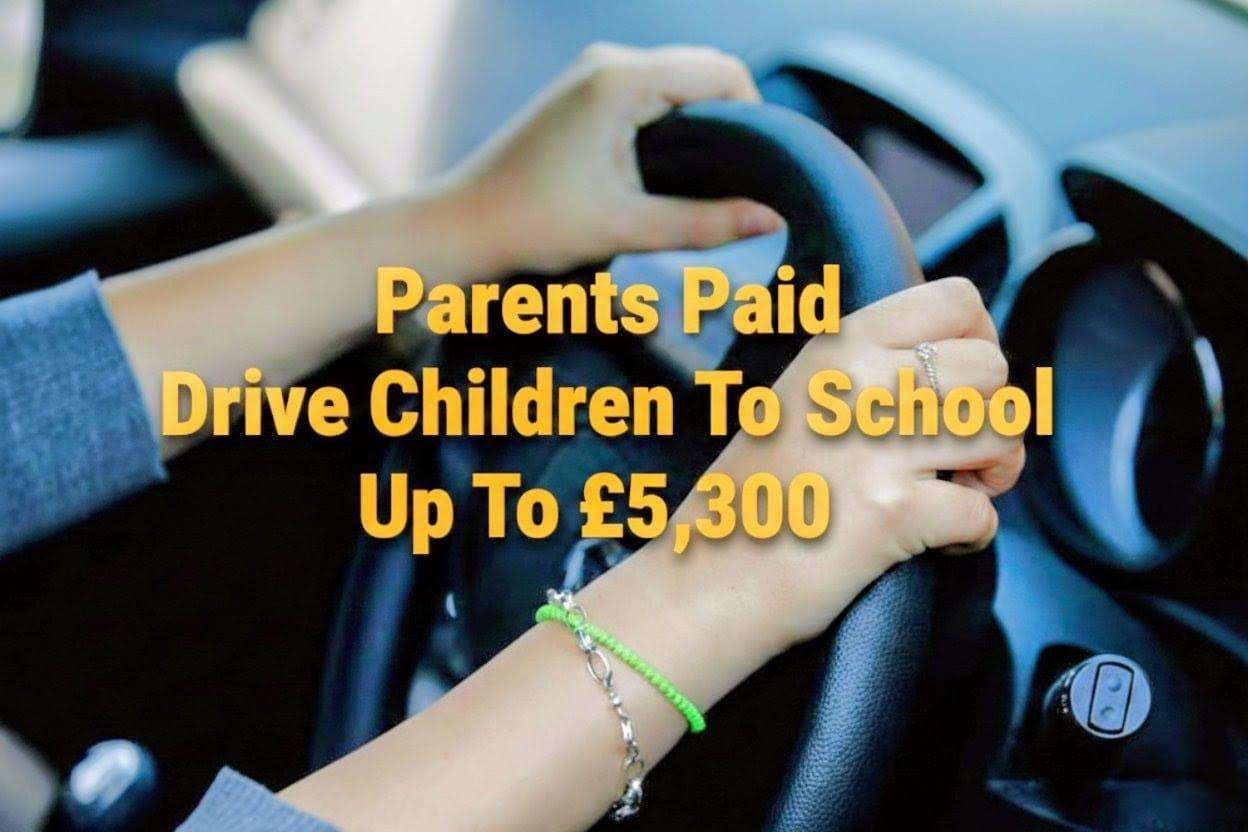
The landscape of special education in the UK has reached a financial tipping point, forcing a radical shift in how the country’s most vulnerable students reach the classroom. In a desperate bid to curb the £2 billion annual spend on private taxi contracts, local authorities have pivoted to a "cash-for-commute" model. New data for the 2025/26 academic year reveals that Personal Transport Budgets (PTBs) have become the primary tool for survival, with some councils now paying parents a staggering £5,300 annually to take over the driver’s seat.
The Hidden Financial Strain on South Asian SEND Households
For low-income South Asian families, this policy shift is more than just a logistical change; it is a profound economic burden. In high-density urban areas, many families with children who have complex Special Educational Needs and Disabilities (SEND) are finding that the "flexibility" of a £5,000 payment barely scratches the surface of the true cost. Cultural barriers often mean these families are less likely to appeal for higher rates, despite 2026 inflation and rising vehicle maintenance costs. While 70p per mile is offered by councils like Wokingham, the time-poverty created for South Asian parents—who often balance multi-generational caregiving with low-wage work—remains uncompensated.
Why The Million-Pound Taxi Monopoly Is Collapsing
The reliance on single-occupancy taxis has proven to be a fiscal "timebomb" for local government. Since 2021, the number of children requiring specialist transport has surged by 20 percent, yet the supply of trained, culturally-competent drivers has plummeted. Councils are currently paying up to £950 per day for individual specialist medical vehicles in extreme cases. By offering parents a lump sum of £5,300, councils like Leicestershire and West Berkshire are effectively offloading the legal risk and the rising cost of fuel onto families. For many in the South Asian community, this "choice" is often a necessity, as private taxi firms frequently lack the linguistic or behavioral training required to safely transport children with non-verbal autism or severe ADHD.
Community-Led Alternatives Beyond The Personal Budget
As the system faces what experts call a "total collapse," innovative alternatives are finally gaining traction. Rather than individual car journeys, some community leaders are proposing "South Asian SEND Transport Hubs." These would involve micro-grants given directly to local community organizations to run specialized, collective shuttle services. This model would reduce the carbon footprint of the 180,000 children currently in individual taxis and provide a familiar, culturally-safe environment for the pupils. Additionally, the 2026 push for "Independent Travel Training" is being tailored with multi-lingual support to help older SEND teenagers gain autonomy, potentially saving the taxpayer thousands while empowering the youth.
The Ethics of Shifting State Responsibility to the Home
Critics argue that the lack of monitoring on how these thousands of pounds are spent—with some councils admitting they don't check if the money goes to fuel or household bills—is a sign of a "broken" system. While the government’s recent reforms aim to keep children in local mainstream schools, the reality in 2026 is that specialist placements are often 15 to 20 miles away. For a low-income family, the £5,300 payment may cover the car, but it doesn't cover the loss of a parent's career. As councils move toward "assisted travel" models, the South Asian community remains at the forefront of this struggle, navigating a system that increasingly asks parents to be both caregivers and full-time transport providers.