


.svg)
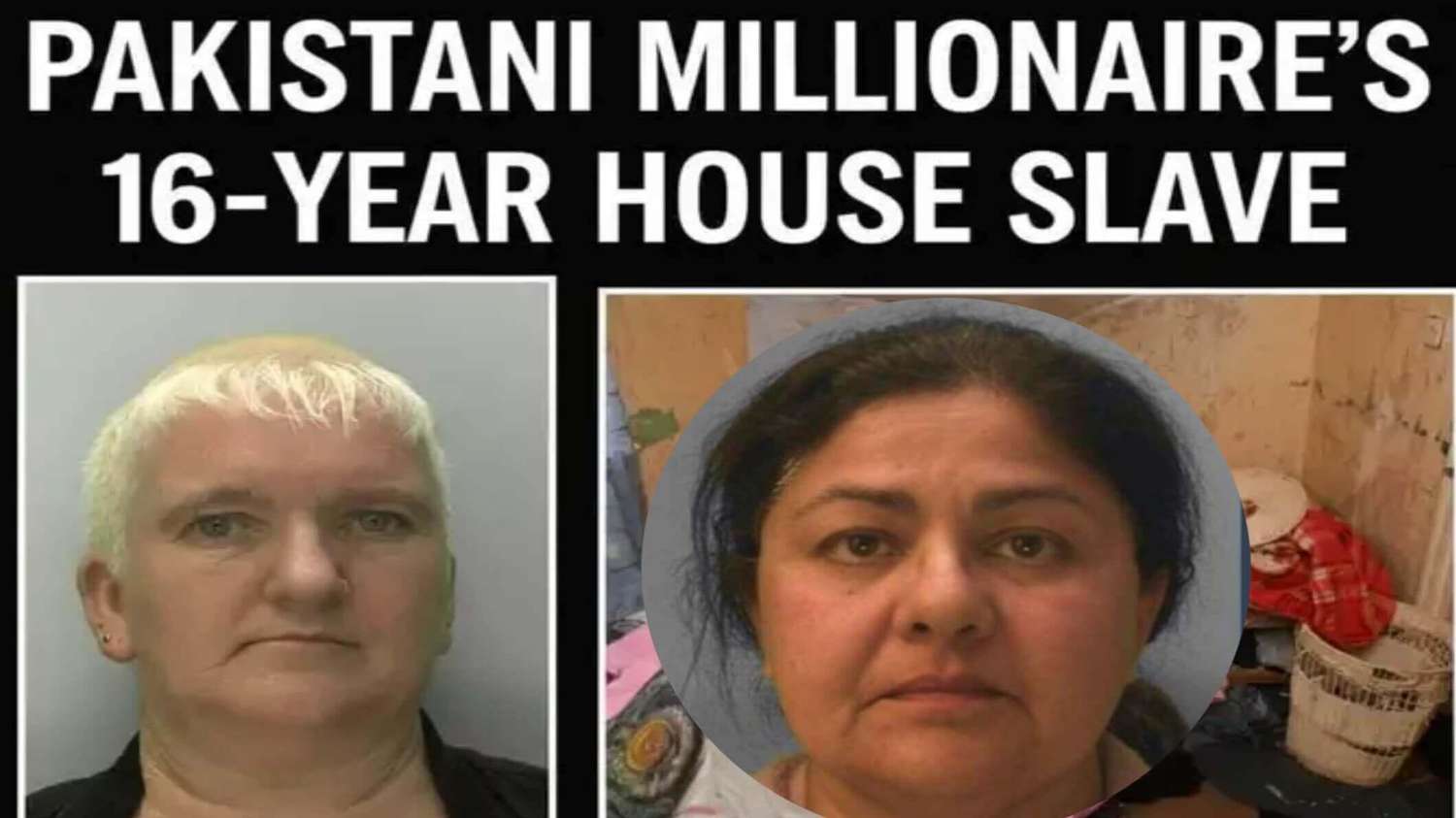
The Fact Check: Sorting Farzana Kausar from Amanda Wixon-Public discourse has recently seen significant confusion between two high-profile modern slavery cases: that of Farzana Kausar and Amanda Wixon. While both involve decades of domestic abuse, they are distinct legal entities. To clarify the facts: Farzana Kausar is a 59-year-old British-Pakistani millionaire landlady who was jailed for six years and eight months at Lewes Crown Court. She was found guilty of keeping a victim in servitude for 16 years across properties in Sussex and London. Noshina Jabeen, often mentioned in similar legal contexts, is a separate individual involved in a Manchester-based slavery case. Meanwhile, Amanda Wixon, a 56-year-old woman from Tewkesbury, was recently convicted at Gloucester Crown Court for holding a woman captive for over 20 years. While both cases represent a harrowing failure of community safeguarding, they involve different perpetrators, locations, and ethnic backgrounds.
The Millionaire’s Facade: The Farzana Kausar Case-Farzana Kausar’s case is particularly chilling due to the extreme power imbalance between the perpetrator and the victim. Kausar utilized her "British-Pakistani" identity and prominent community standing to mask a 16-year regime of exploitation. The victim, a woman of South Asian heritage now in her 60s, was lured under the pretense of a simple rental agreement before being stripped of her passport, bank accounts, and basic human rights. Kausar weaponized the victim's identity for her own gain, using the victim’s name to commit disability fraud and avoid road taxes, all while forcing her to live in a squalid box room. The legal system has responded with a landmark £200,000 reparation order, forcing Kausar to sell parts of her property empire to compensate for nearly two decades of stolen life.
The Invisible Prisoner: Amanda Wixon’s Twenty-Year Reign- While Kausar’s crimes were fueled by financial greed and property empire maintenance, the case of Amanda Wixon in Tewkesbury reveals a different but equally dark motivation of control and physical cruelty. Wixon held a vulnerable woman with learning difficulties captive from 1996 until 2021. For 25 years, the victim was subjected to manual labor, physical beatings with broom handles, and psychological torture, including having cleaning fluids poured down her throat. Wixon’s conviction on counts of forced labor and false imprisonment highlights that modern slavery is not confined to any single demographic; it is a crime of opportunity that preys on the vulnerable regardless of the neighborhood.
Deep Analysis: The British-Pakistani Identity and the "Invisible" Crisis- The confusion surrounding these cases often stems from the "British-Pakistani" identity mentioned in the Kausar and Jabeen cases. Within the UK, statistics show that modern slavery victims often share the same ethnic or cultural background as their exploiters, a phenomenon known as "intra-community" exploitation. In the Pakistani-British context, cultural nuances such as misplaced trust in "community elders" or religious ties can be manipulated to keep victims silent. However, it is vital to note that modern slavery is a UK-wide crisis: in 2024, the Home Office reported over 17,000 potential victims of modern slavery. The Kausar case highlights how economic success—symbolized by her millionaire status—can provide a "cloak of respectability" that deters suspicion, making the crime invisible to neighbors and authorities alike.
Restoration and Justice: A Path to Recovery- The resolution of these cases marks a turning point for the survivors. The Farzana Kausar victim is currently rebuilding her life with specialized support after being rescued from an Ilford property. Similarly, the victim in the Wixon case is reported to be "flourishing" under the care of a Shared Lives provider. These stories serve as a grim reminder that domestic servitude often hides in plain sight, whether in a millionaire’s mansion or a suburban family home. The emergence of landmark compensation orders suggests a shift in the British legal system toward not just punishing the captor, but actively restoring the financial and psychological agency of the survivor.

.jpg)