



.svg)
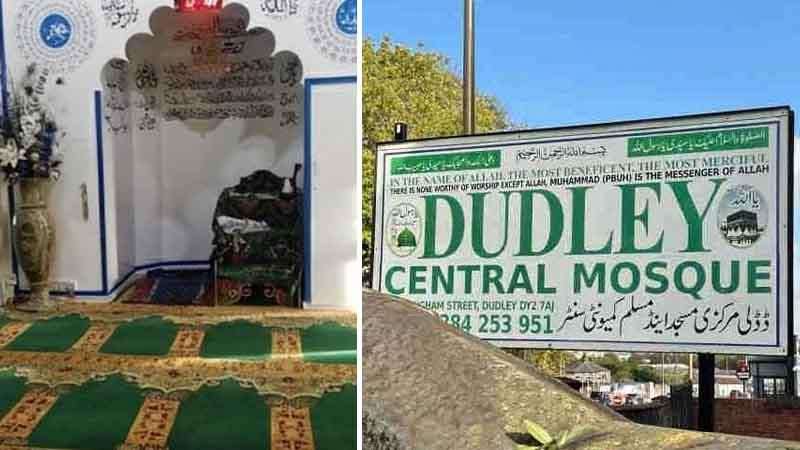
The Charity Commission has executed its most aggressive intervention in two decades, forcibly merging two warring factions at the heart of Dudley’s Muslim community. In an "unprecedented" move confirmed on January 20, 2026, the regulator ordered the immediate dissolution of the independent structures of the Dudley Central Mosque and Muslim Community Centre and its rival, The Muslim Community Centre and Mosque 1977. This marks the first time since the early 2000s that the government regulator has used such extreme powers to override local trustees, effectively stripping both sides of their autonomous control over the Birmingham Road site.
The Power Struggle Behind the Pulpit
At the core of this seismic shift is a deep-seated rift between two specific groups: the "Trustee Group," which historically held the legal title to the mosque's lucrative land, and the "Executive Committee," tasked with the day-to-day administration. While both groups are comprised of British Muslim leaders predominantly of South Asian heritage—reflecting the local demographic of British Pakistani and British Bangladeshi residents—their identities are split along generational and constitutional lines rather than nationality. Most key figures involved are British citizens, yet the internal conflict stems from a 1977 trust deed that the Charity Commission recently slammed for "ambiguity and poor drafting." This legal flaw allowed both factions to claim ultimate authority, leading to a paralysis of governance that has lasted years.
Community Impact and Ethnic Demographics
Despite the administrative chaos at the top, Dudley Central Mosque remains a vital spiritual hub for the Black Country's diverse Muslim population. The mosque serves a large congregation of the Ahle Sunnat Wal Jammat (Barelvi) school of thought, drawing hundreds of regular worshippers for daily and Jumu'ah (Friday) prayers. While the leadership has been locked in legal combat, the pews are filled by a blend of British Pakistani families—many with roots in the Mirpur region—and a significant British Bangladeshi community. Local observers note that the average worshipper has grown increasingly frustrated with the "elder-led" dispute, as years of "double defaulting" on financial accounts and frozen bank accounts threatened the very upkeep of the building they use for worship.
The Regulator’s Hammer and Future Elections
The Charity Commission's decision to merge the charities is a direct response to a "repeated failure" to meet legal accounting requirements for four consecutive years. Investigations revealed that between 2018 and 2025, financial transparency was non-existent, and a separate inquiry launched in April 2025 found that the dispute posed an "unacceptable risk" to charity property. By creating a brand-new governing document, the Commission has effectively wiped the slate clean. The next phase involves a total overhaul of the membership rolls, which will lead to the first truly independent elections in the mosque’s history. These elections, overseen by interim trustees, will determine whether the old guard or a new generation of British Muslims will lead the mosque into the late 2020s.
What Happens Next for Dudley’s Muslims
The immediate future will see the newly merged entity undergo a rigorous audit to recover "outstanding accounting information" dating back to 2018. The Charity Commission has warned that while the merger is a solution, the inquiries remain ongoing to determine if there was criminal mismanagement or misconduct. For the local community, the focus shifts to the upcoming democratic vote. This election is expected to be a landmark event for Dudley, as the new framework ensures that any member of the community—regardless of which "side" they supported in the past—can have a transparent say in the mosque's future. The regulator's "nuclear option" has finally broken the deadlock, but the true test will be whether the merged leadership can maintain unity once the government’s oversight ends.