





.svg)
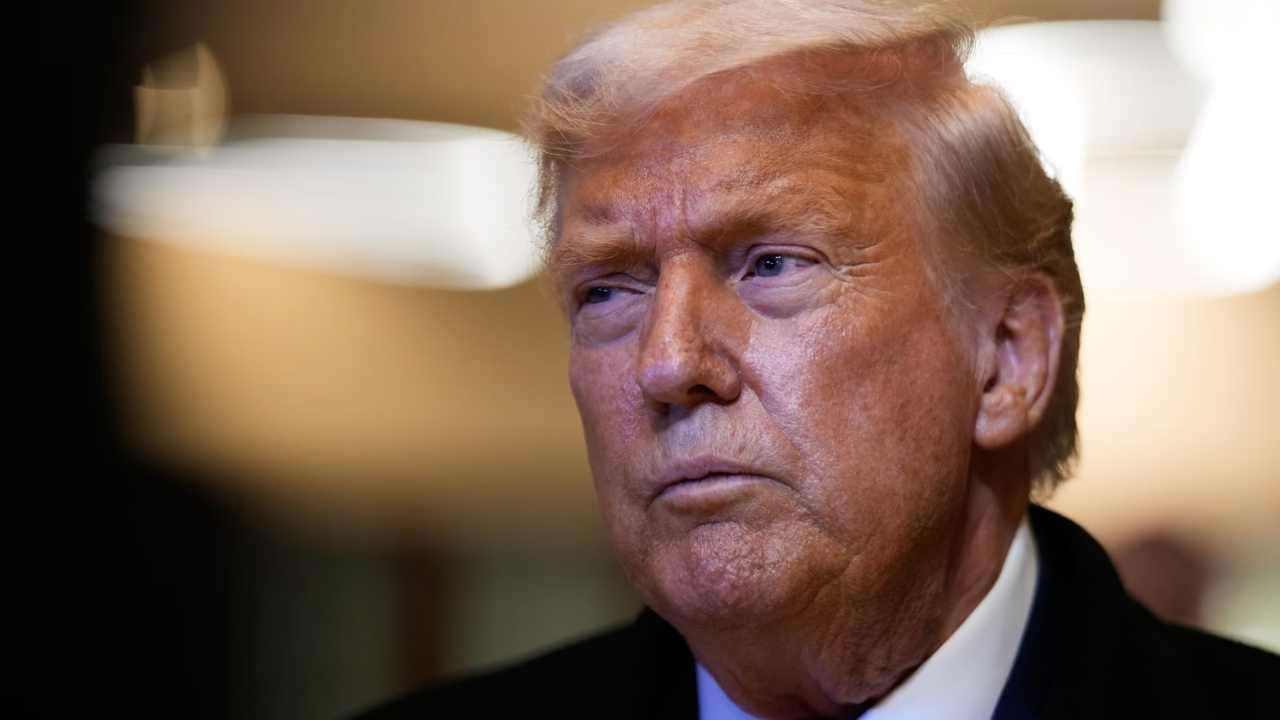
Donald Trump’s claim that he has agreed on a “framework for a future deal” to resolve the dispute over Greenland has been met with deep doubt among people living in the Arctic territory. While financial markets recovered and several European leaders welcomed a pause in escalating tensions, Greenlandic and Danish reactions were far more cautious.
Earlier in the day, during a speech at the World Economic Forum, Trump reiterated that he wanted Greenland “including right, title and ownership,” though he stepped back from earlier suggestions of possible military action. Hours later, he announced on social media that a preliminary framework had been reached and withdrew threats to impose tariffs on eight European countries. Speaking later to CNBC, he described it only as “a concept of a deal.”
Denmark’s foreign minister, Lars Løkke Rasmussen, said the situation had improved by the end of the day and called for talks that would address US security concerns in the Arctic while respecting Denmark’s core boundaries. Italian prime minister Giorgia Meloni also welcomed Trump’s shift in tone, though Nato secretary-general Mark Rutte warned that significant work remained.
Rutte said the question of Greenland’s status within the Kingdom of Denmark was not discussed during talks with Trump, and Nato later confirmed that no proposal involving Greenland’s sovereignty had been put forward. Trump offered few concrete details but said discussions were continuing about a US missile defence system that could partly operate from Greenland.
Some Danish politicians reacted angrily, particularly over Greenland’s exclusion from the talks. MP Sascha Faxe criticised the process, saying a genuine agreement was impossible without Greenland’s direct involvement.
Media reports suggested the proposal could allow the US to gain sovereignty over limited areas housing military bases, likened to British-controlled bases in Cyprus. The Telegraph also reported that the framework might permit US mining of rare earth minerals without Danish approval.
It remains uncertain whether Denmark has accepted any such deal. Greenlandic MP Aaja Chemnitz Larsen firmly rejected the idea that Nato should have any role in decisions about Greenland’s sovereignty or natural resources.
Trump’s apparent change of approach followed days of rising tensions that marked one of the most serious strains in transatlantic relations in decades. Some European leaders suggested diplomatic resistance had influenced Washington’s decision, while others pointed to financial market instability after Trump’s more aggressive statements earlier in the week.
Markets rebounded after Trump ruled out the use of force and withdrew tariff threats. Analysts noted that uncertainty eased once the rhetoric softened, and some observers highlighted Trump’s past pattern of backing down when markets react negatively — a trend previously dubbed “Taco,” short for “Trump Always Chickens Out.”
Reports also noted concerns within the US about alienating European allies who hold large amounts of US financial assets, which could pose risks if relations deteriorated further.
In Greenland itself, however, the announcement was met with outright distrust. Residents in Nuuk told AFP they did not believe Trump’s claims, with one person saying he was lying and another stressing that Greenland belongs to its own people.