





.svg)
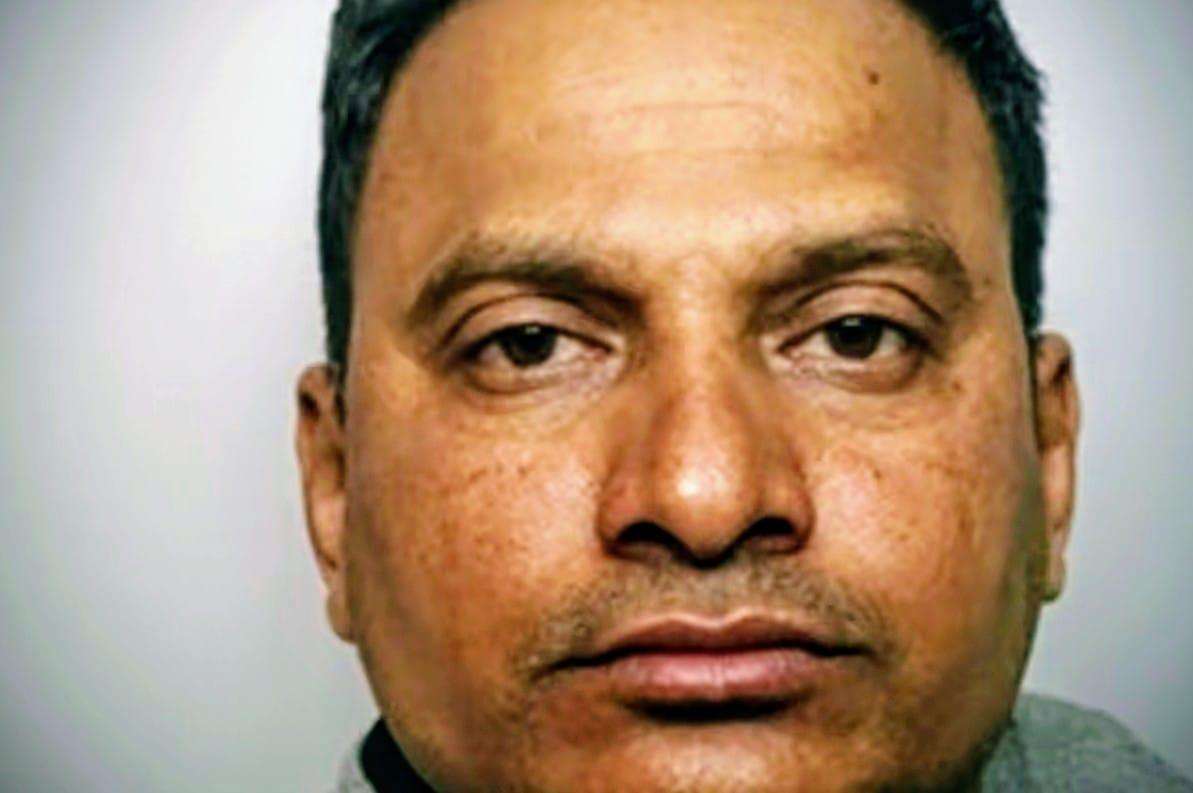
The conviction of Sethupathi Perisamy at Reading Crown Court is more than just the closing of a criminal chapter; it is a stark wake-up call regarding the unseen vulnerabilities of the modern convenience economy. While the 47-year-old from Slough has been sentenced to six months in prison for a campaign of indecent exposure across Berkshire, the deeper story lies in the breach of the implicit contract between service provider and customer. For two months in early 2025, Perisamy weaponized his role as a food courier to target unsuspecting residents in Slough, Maidenhead, and Windsor, turning the anticipation of a meal into a scene of sexual trauma. This case has stripped away the anonymity of the "delivery driver" persona, forcing the public to confront the reality that a uniform or an app profile does not guarantee safety.
Daily Dazzling Dawn Analysis: The Blind Spot in the Algorithm
The Perisamy case serves as a critical case study for the gig economy, highlighting a catastrophic failure in the balance between speed and safeguarding. In the rush to meet the demands of the "instant delivery" culture, the rigorous vetting that characterizes traditional employment can sometimes be thinned. This incident raises uncomfortable questions about how drivers are monitored once they are active on the road. The fact that Perisamy was able to commit five separate offenses between March and May suggests a terrifying gap in real-time reporting and offender tracking. For the industry, this is a watershed moment; platforms must now look beyond basic criminal record checks and implement more robust, continuous monitoring systems to ensure that predatory behavior is flagged after the very first incident, not the fifth.
The 10-Year Shield and Future Implications
What makes this sentencing particularly significant is the imposition of a ten-year Sexual Harm Prevention Order (SHPO). This legal instrument goes far beyond a standard prison term, effectively serving as a career death sentence for Perisamy within the service industry. For the next decade, he is legally barred from any employment that would grant him unsupervised access to the public in private settings. This specific clause is vital information for the community, as it ensures that even after his release, the mechanisms of the justice system will continue to act as a barrier between the predator and potential victims. It sets a powerful precedent that the courts are willing to utilize long-term preventive orders to sanitize the gig economy of bad actors.
Lessons for the Fleet: Integrity is the Currency
For the thousands of honest, hard-working delivery drivers across the UK, the actions of one individual cast an unfair shadow, yet they offer a crucial lesson in professional conduct. The Perisamy verdict reinforces that a driver's behavior is under scrutiny from the moment they step onto a customer's property. In an era where doorbell cameras and smart security systems are ubiquitous, the expectation of professionalism is absolute. The industry is likely to see a shift toward "contactless by default" protocols becoming even stricter, not just for health reasons, but as a necessary buffer for safety. Drivers must understand that their role requires a high degree of trust, and any deviation—however minor it may seem—can lead to severe legal and professional consequences.
What Happens Next: A Call for Systemic Change
As Perisamy begins his custodial sentence, the focus must shift to prevention. Victim support groups and safety advocates are expected to leverage this case to demand transparency from delivery platforms regarding their safety protocols. We are likely to see an introduction of new in-app safety features for customers, such as "panic buttons" or immediate reporting hotlines specifically for driver misconduct. Detective Constable Ashley Jones’s swift investigation and the subsequent support for the victims highlight that law enforcement is ready to tackle these complex cases, but the goal for 2026 is to prevent the trauma before the police need to be called. The conviction of Sethupathi Perisamy is a victory for justice, but the legacy of this case will be the urgent reform it necessitates in how we protect our doorsteps.