




.svg)
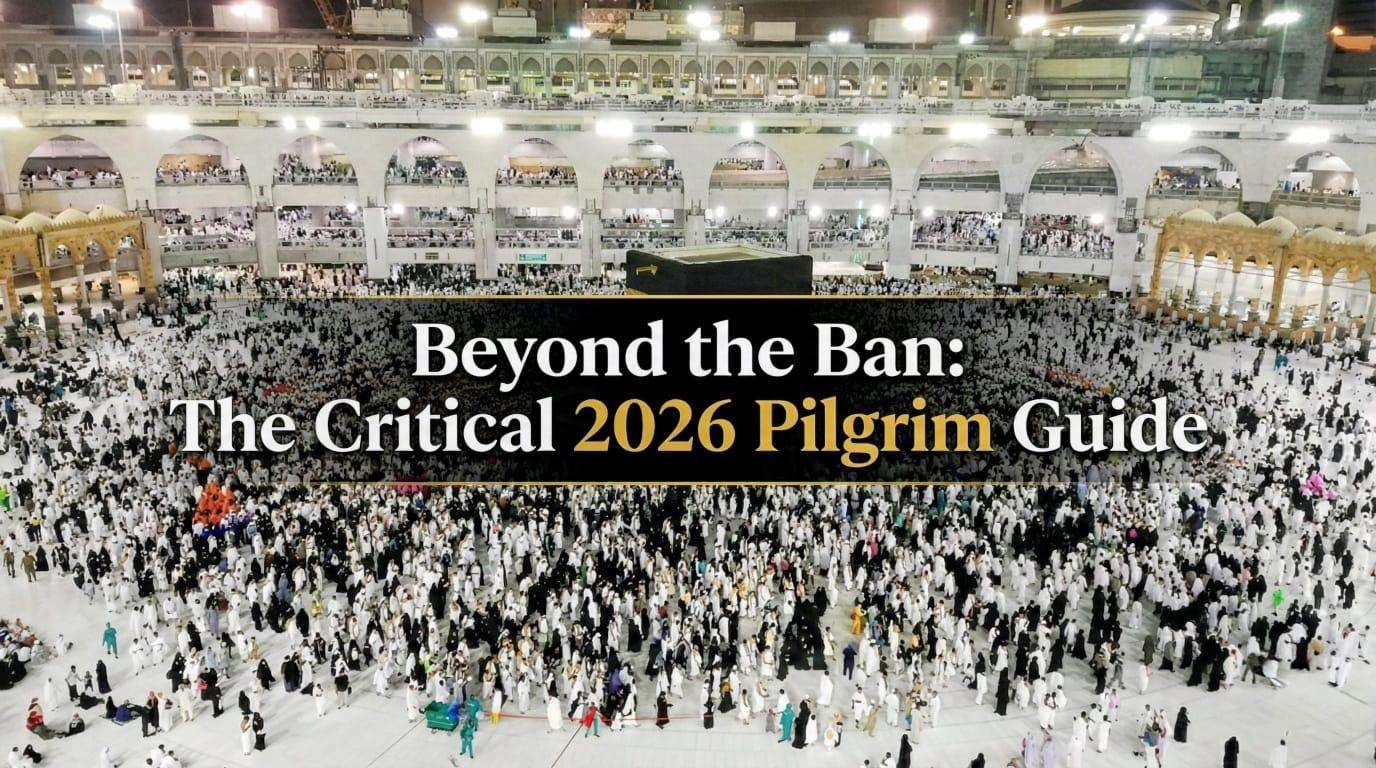
The headline shock of Saudi Arabia freezing 1,800 travel agencies has passed, but for millions of pilgrims, the real story is only just beginning. As the Ministry of Hajj and Umrah enforces a strict 10-day correction window ending February 11, the global spiritual travel sector is entering a volatile transition phase. This is no longer just about who got banned; it is about how the remaining ecosystem will function for you. We have moved past the initial disruption into a period of rigorous digital enforcement that will dictate the success or failure of your upcoming journey.
Navigating the Current "Grey Zone"
We are currently in a critical limbo period that will last until the correction deadline expires on February 11, 2026. During this specific window, the market is fragile. Daily Dazzling Dawn analysis indicates that while suspended agencies are scrambling to rectify violations, pilgrims face a high risk of misinformation. Unscrupulous operators may disguise their suspended status as a "technical delay" to hold onto your deposits. The most vital updated guideline for right now is financial caution. If your visa is not already in hand, do not release full payments until after February 11. This date will serve as the "Great Reveal," where the Ministry is expected to publish a finalized, purified list of authorized operators. Until then, treat every promise of an "instant visa" with extreme skepticism unless it is backed by a verifiable Nusuk generation code.
The Inevitable Pre-Ramadan Price Surge
Pilgrims must prepare for an immediate economic ripple effect. With one-third of global agencies temporarily or permanently removed from the equation, the supply of authorized visa providers has plummeted just as demand for Ramadan—the peak Umrah season—begins to skyrocket. Economic analysis suggests that surviving, compliant agencies will likely increase package prices to manage the overwhelming influx of displaced clients. We predict a potential 15% to 20% rise in service fees for bookings made in late February. Smart travelers should lock in their ground arrangements (hotels and transport) immediately through direct platforms like Nusuk or known "Green Status" major operators to insulate themselves from this predicted inflation.
The New "Digital Iron Dome" Protocol
The days of paper contracts and verbal assurances are effectively over. The Ministry’s crackdown signals the activation of a "Digital Iron Dome" where your smartphone is your primary travel document. What has not yet been widely publicized is the expected expansion of the Nusuk app’s functionality in response to this crisis. We anticipate the imminent rollout of a "real-time agency validator" feature. This tool will likely allow pilgrims to input an agency's license number and receive an instant Red or Green status update. Furthermore, future pilgrims should expect stricter biometric enforcement at Jeddah and Medina airports. The data from the 1,800 suspended agencies revealed discrepancies in pilgrim tracking, meaning border control will now be hyper-focused on verifying that your arrival data perfectly matches your digital visa profile. Ensure your Nusuk profile is fully updated with your current accommodation details to avoid delays at immigration.
The Hard Deadlines Are Non-Negotiable
While the agency drama unfolds, the Ministry has quietly locked in the season’s absolute deadlines, and they are tighter than previous years to accommodate early Hajj preparations. The most critical "hidden" detail is the strict enforcement of the March 20, 2026, visa issuance cutoff. In previous years, extensions were sometimes granted; this year, with the new automated systems, the digital gates will close automatically. If you do not have a visa number generated by midnight on this date, no agency can help you. Following this, the April 18, 2026, exit mandate is being treated as a national security priority. Overstayers will not just face fines; they face a potential lifetime ban from the Kingdom. Pilgrims must book return flights now, as airlines are being instructed to deny boarding to anyone without a confirmed return ticket dated on or before April 18.
The Rise of the Independent Pilgrim
This regulatory purge is ultimately designed to empower the individual. The Ministry is steering the ecosystem toward a Business-to-Consumer (B2C) model, reducing reliance on middlemen. The most updated recommendation for savvy travelers is to embrace the "DIY" (Do It Yourself) Umrah. By utilizing the Nusuk platform to book visas, hotels, and transport directly, you effectively bypass the risk of agency suspension entirely. This method not only secures your journey against third-party failures but often proves more cost-effective. As we approach the final weeks of the 1447 AH Umrah season, the safest hands to trust with your spiritual journey are your own, guided by the official digital tools provided by the Kingdom.

.jpg)