






.svg)
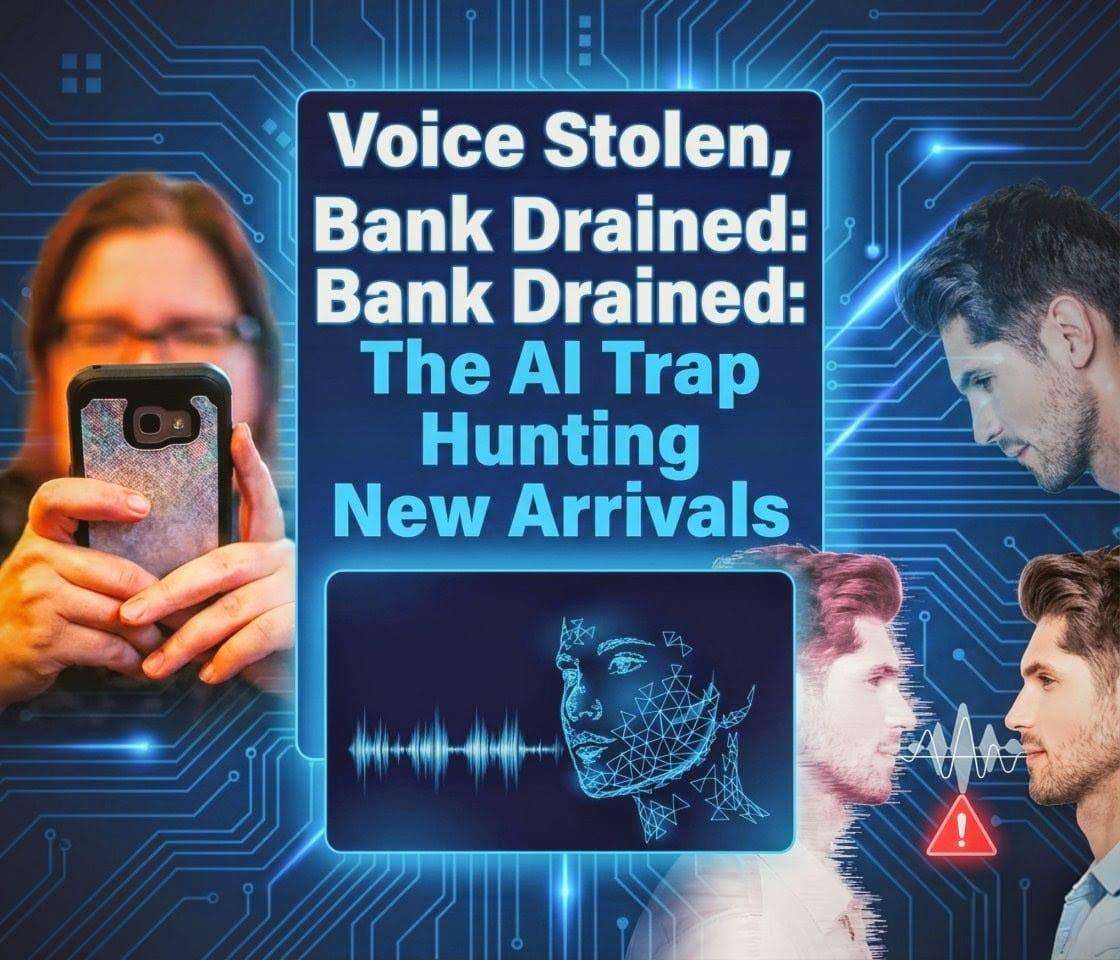
A terrifying evolution in financial fraud is silently sweeping through the UK’s South Asian diaspora. While the National Trading Standards (NTS) has flagged a general rise in AI-driven scams, a darker, more targeted narrative is unfolding on the ground. Criminal gangs are specifically headhunting newly arrived immigrants—families from Bangladesh, India, and Pakistan—by masquerading as official bureaucratic entities. The scam does not begin with a threat, but with a seemingly innocent "lifestyle survey" or "census update."
For a new immigrant navigating the complex UK landscape, a call appearing to be from a council authority, a recruitment agency, or a visa compliance officer demands attention. These scammers exploit the cultural inclination to respect authority and the inherent anxiety surrounding immigration status. The victim is kept on the line, answering innocuous questions about their demographic, employment status, and local services. The true danger, however, is not the information they give, but the sound of their voice giving it.
How The Audio Heist Unfolds
The mechanism of this fraud is distinct from traditional phishing. The perpetrators are not looking for passwords; they are harvesting vocal DNA. During these lengthy calls, victims are manipulated into saying specific phrases—simple affirmations like "Yes," "I agree," "That is correct," or stating their full name and date of birth.
Using advanced Generative AI, these snippets of audio are synthesized. The technology has advanced to the point where it can not only clone the pitch and timber of a voice but can also alter the intonation. A confused "Yes?" asked during a survey is digitally smoothed into a confident "Yes" used to authorize a transaction. These clones are then used to bypass telephone banking security layers, setting up direct debits or authorizing transfers that legitimate banks believe are being requested by the account holder.
The Next Wave: Biometric Bypass and Video Deepfakes
What is happening next goes beyond simple voice cloning. Security analysts are warning of an imminent shift toward "contextual audio splicing." This involves AI that can hold a live conversation with a bank teller using the victim's cloned voice in real-time, reacting dynamically to questions the victim never actually answered.
Furthermore, the fraud is rapidly moving toward visual deception. As banks tighten voice security, the next frontier is deepfake video calls on platforms like WhatsApp. New arrivals, often desperate for housing or employment, may soon face "interviews" with AI avatars posing as landlords or employers, designed to extract facial biometrics that can hack FaceID-protected banking apps. The sheer scale is daunting, with the NTS already blocking 21 million scam attempts in just six months, yet the targeted nature of these ethnic-specific attacks often leaves them underreported due to language barriers and shame.
Protecting the Community
The most vital defense now is silence. The advice has shifted from "don't share info" to "don't speak." If a call comes from an unrecognized number claiming to be a survey or official body, the safest action is to hang up immediately. Families are urged to establish a "safe word" within their households—a password that must be spoken to verify identity if a family member calls asking for money or urgent help.
Banks are racing to implement multi-factor authentication that moves away from voice recognition, but until that infrastructure is universal, the human voice remains a vulnerability. For the South Asian community, where extended families often share financial responsibilities, awareness is the only firewall. The "Yes" you speak today could be the transaction you didn't make tomorrow.






.jpg)
.jpg)

.jpg)