




.svg)
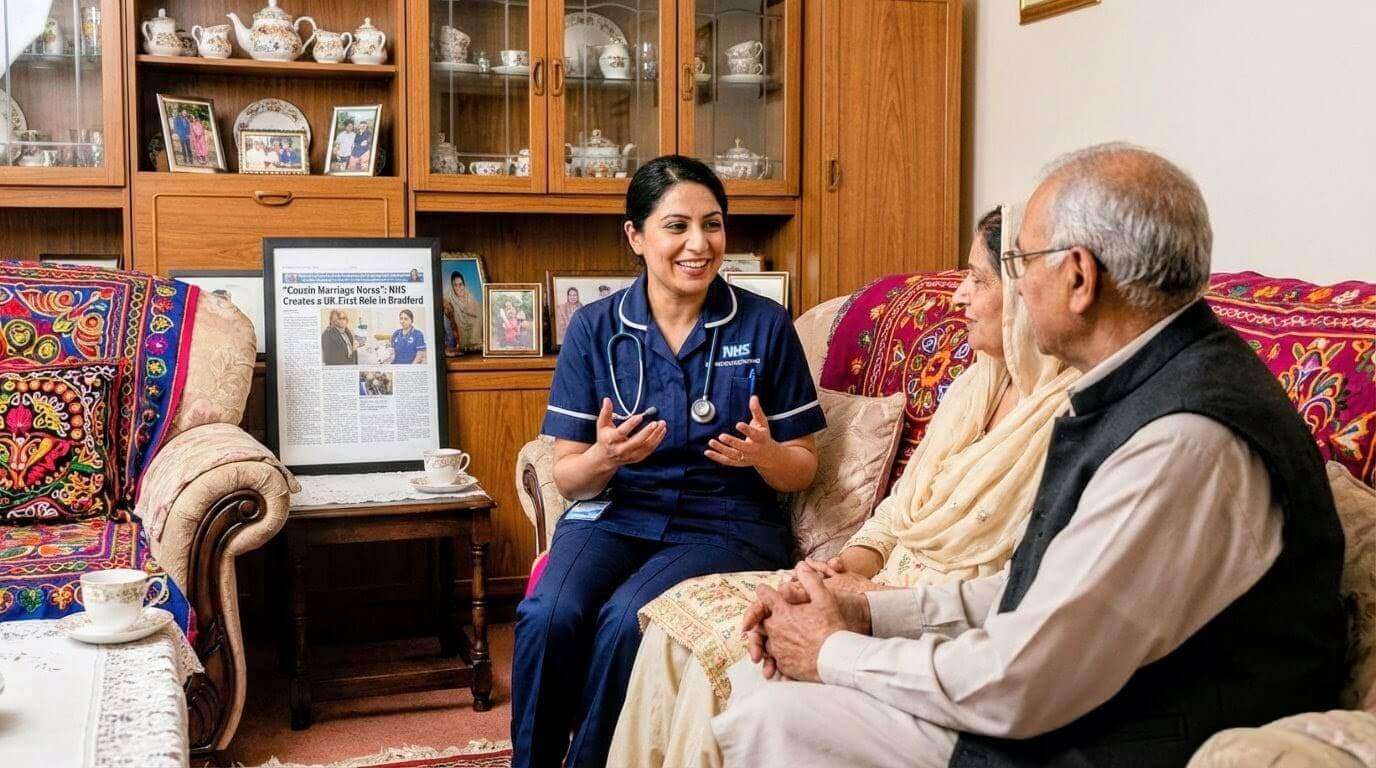
In a groundbreaking move, Bradford Teaching Hospitals NHS Foundation Trust has created one of the UK's first dedicated nursing posts to support families where parents are close relatives, launching a delicate intervention at the crossroads of public health, cultural practice, and rapidly evolving community attitudes. The "Close Relative Marriage Neonatal Nurse/Midwife" will provide tailored care and genetic counselling, aiming to tackle health inequalities linked to consanguineous marriage head-on. This pioneering role arrives as new data reveals a striking divergence within Britain's South Asian communities: while cousin marriage is declining significantly among British Pakistanis in cities like Bradford, it highlights a complex landscape where tradition, education, and health awareness are in flux, Daily Dazzling Dawn realised.
The New Frontline: A Nurse's Sensitive Mission- The newly advertised position, with a salary of up to £44,962, is far from ordinary. Based in Bradford's Neonatal Intensive Care Unit, the nurse's core mission is to work with "at-risk families" in a "culturally sensitive, empowering way". The goal is to improve outcomes by ensuring access to genetic services, fostering awareness of inherited risks, and enabling informed family planning decisions. This proactive, supportive approach represents the NHS's current strategy, focusing on education and counselling rather than the legislative bans enacted in countries like Norway and Sweden.
A Tale of Two Communities: Contrasting Data on Cousin Marriage-The backdrop to this intervention is a nuanced picture of how marriage practices are changing within the UK's two largest South Asian heritage groups.
British Pakistani Trends: A Notable Decline- Recent follow-up data from the landmark "Born in Bradford" study shows a substantial shift. In three inner-city Bradford wards, the rate of Pakistani-heritage mothers married to a first or second cousin has fallen from approximately 60% a decade ago to 46% today. The drop is even more pronounced among UK-born mothers, falling from 60% to 36%. Researchers attribute this to increased awareness of genetic risks, longer education periods, changing family dynamics, and stricter UK immigration rules that make transnational marriage more difficult.
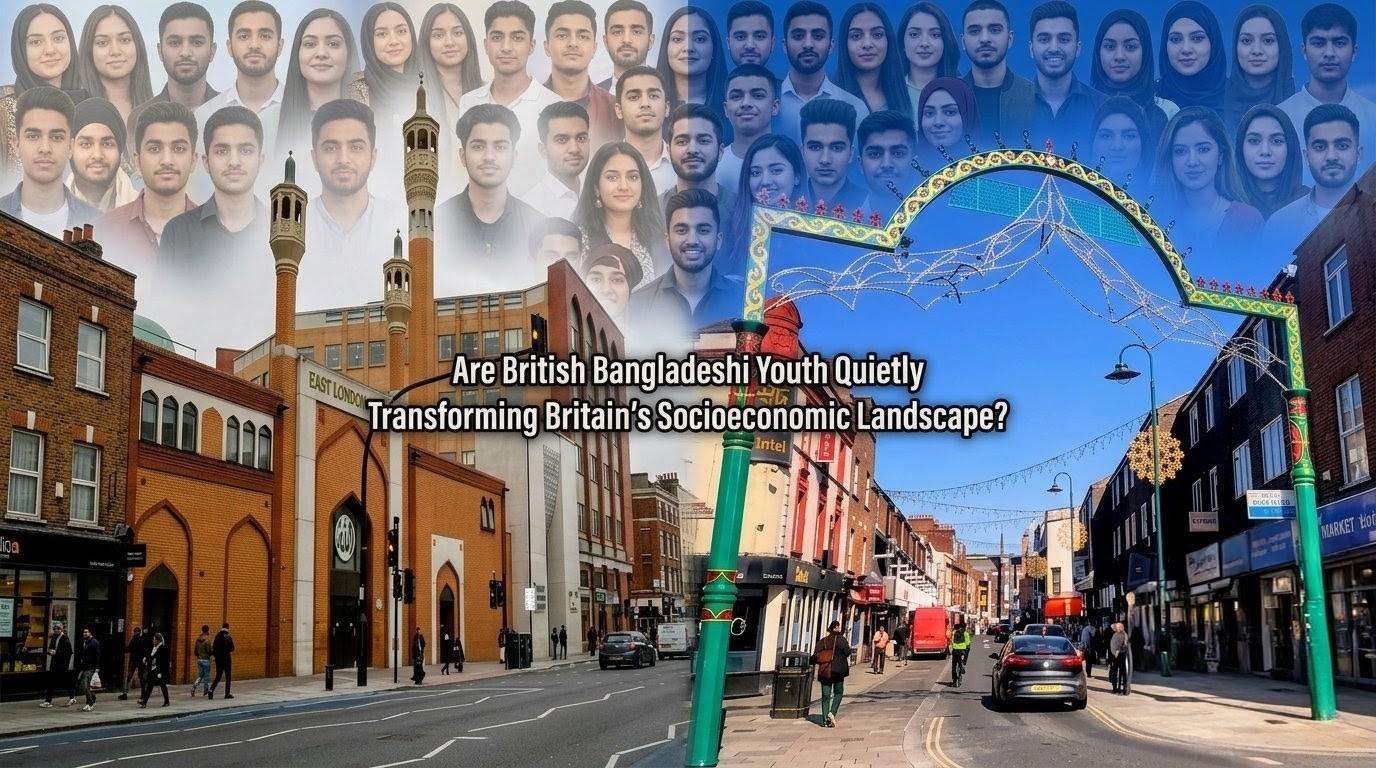
British Bangladeshi Context: A Different Pattern-While comprehensive, comparable statistics for the British Bangladeshi community are less defined in the available data, the cultural context differs. Academic analysis suggests consanguinity rates in Bangladesh itself are significantly lower than in Pakistan. Furthermore, community reports from areas like Tower Hamlets indicate a strong evolution in marriage practices, with second and third-generation British Bangladeshis increasingly prioritising personal choice, emotional connection, and digital matchmaking over strictly arranged familial matches. This shift is driven by higher education, career aspirations, and a desire for partners with compatible UK-raised lifestyles.
Why the Practice Persists and What's at Stake-The tradition's persistence in some families is deeply rooted. For decades, cousin marriage has served important socio-economic functions: strengthening family bonds, preserving property and wealth within the lineage, and fulfilling cultural obligations to kin, often linked to transnational ties to regions like Mirpur in Pakistan. However, the medical consensus on the elevated health risk for offspring is clear. Children of first cousins have a 6% chance of a recessive genetic disorder, double the 3% background risk, and studies show they use primary healthcare a third more frequently than other children. In Bradford, researchers found these children had an 11% probability of speech and language problems, compared to 7% for children of unrelated parents.
Education, Backlash, and Integration-The new NHS role is a litmus test for a softer public health approach. The focus will be on whether enhanced, culturally literate support can further reduce risks and empower families. However, this initiative exists in a charged climate. The role has already sparked heated online debate, with some criticising it as accommodating a harmful practice. Meanwhile, politicians like MP Richard Holden continue to call for an outright ban, arguing it's a matter of public health.
Concurrently, organic change within communities continues. As a young British Pakistani woman in Bradford told researchers, families are realising they "couldn't control it," with younger generations, exposed to diverse viewpoints, firmly driving the change. The long-term trend appears to be toward greater integration of personal choice with traditional family values, a path already being forged by many in the British Bangladeshi community.