

.jpg)


.svg)
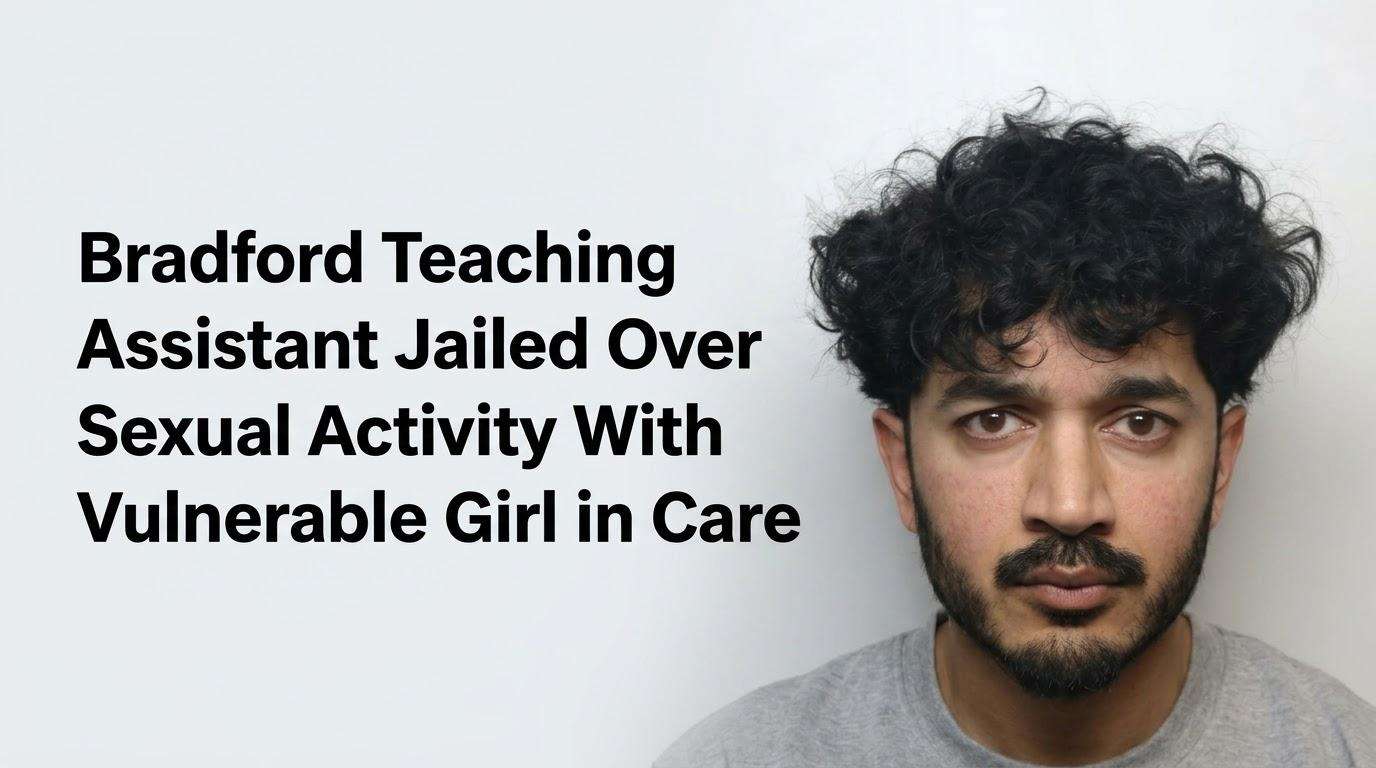
In a case that strikes at the heart of the UK's higher education integrity, 32-year-old Sibtain Hussain, operating from the heart of a prominent Desi community, has been sentenced to three years and eight months imprisonment at Bradford Crown Court. This is not just the story of a scam; it's an ongoing investigation into systemic vulnerability, with court proceedings revealing a meticulously planned operation that exploited the dreams of over 200 prospective students from South Asia and beyond. Our investigation, piecing together court testimony, exclusive sources, and expert analysis, provides the definitive next chapter to this alarming story.
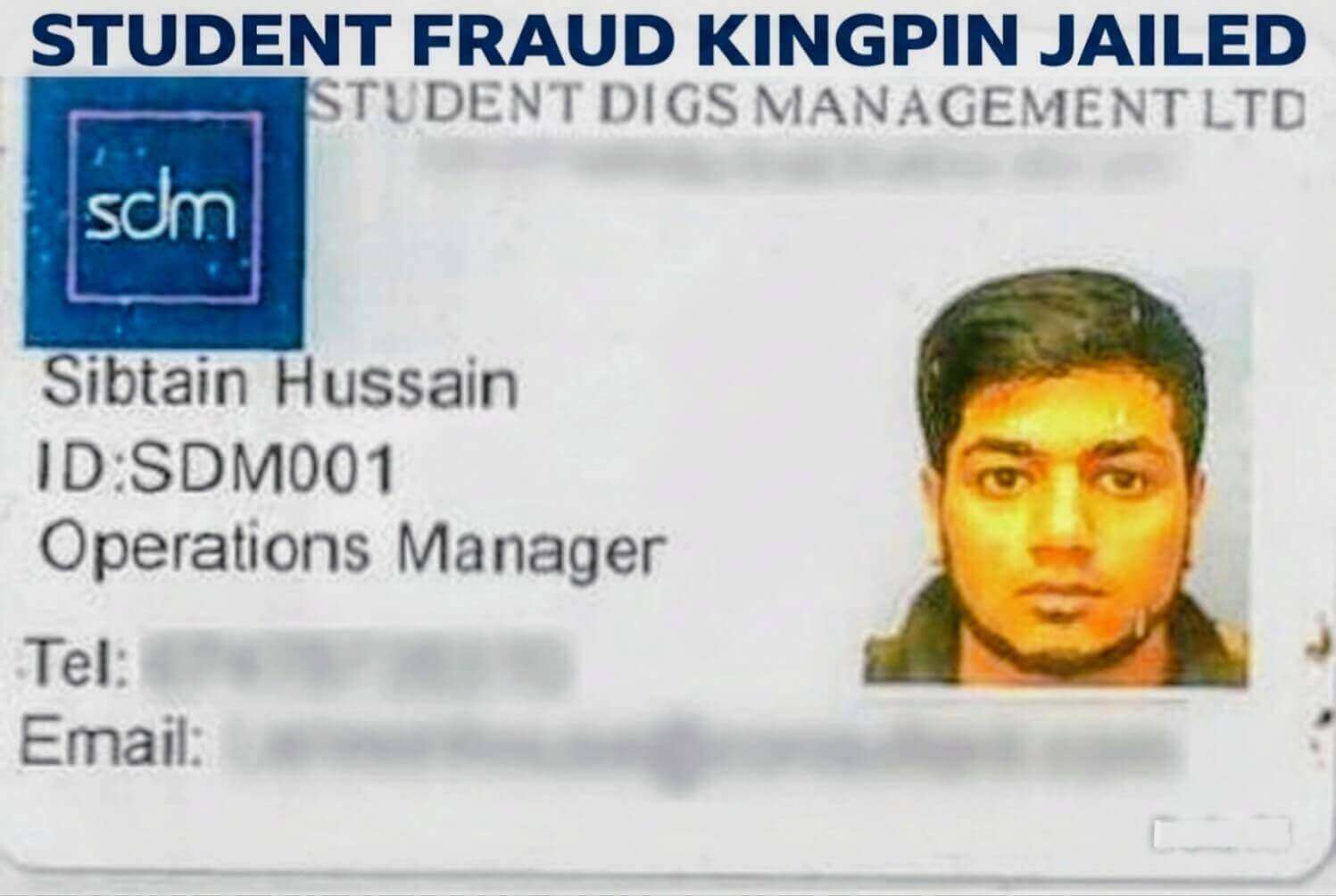
The scheme, which police describe as "predatory and sophisticated," revolved around Hussain's fabricated company, Student Digs Management Ltd (SDM). Posing as its Operations Manager under the alias "SDM001," Hussain used professionally designed credentials, including business cards and official-sounding email domains, to create a veneer of legitimacy. His target was clear: international students who had applied to UK universities and were in the critical, stressful phase of securing their visas and accommodation.
Hussain's insider knowledge was key. Having been a student at the University of Bradford since 2017, investigators believe he gained access to a cache of stolen applicant data. This data provided him with names, contact details, and crucially, the application status of his victims. He contacted them directly, posing as a university-affiliated accommodation officer. His demands were crafted to exploit specific visa requirements: urgent payments for "proof of financial capability," non-existent "student service fees," and advance "accommodation deposits" for halls he had no authority to offer.
To evade detection, Hussain engineered a complex web of deception. He registered multiple pay-as-you-go mobile numbers under false names, created a cascade of email addresses, and operated several bank accounts to receive and move funds. His communications were persistent and threatening, warning students that their university place and visa would be revoked if they did not immediately pay sums ranging up to £3,200.
The financial scale of the attempted fraud is staggering. While 23 terrified students paid over £48,000, banks' fraud detection systems intercepted the majority of transactions. The total potential loss, had all demands been met, was calculated by the prosecution to exceed £493,000—money representing life savings of families abroad.
The Unpublished Next Chapter: Asset Recovery, Visa Implications, and a Wider Net
While the sentencing concludes the criminal trial, the story is far from over. Our sources close to the investigation indicate several critical developments are now in motion, forming the crucial "what's next" that students and institutions need to know.
First, a parallel Proceeds of Crime Act (POCA) investigation has been initiated. The Crown Prosecution Service will now forensically trace every pound Hussain received. This process, which can take months, aims to confiscate any remaining assets—including funds in his network of accounts, luxury items, or even property—to compensate the identified 23 victims. A confiscation hearing will be scheduled at Bradford Crown Court at a later date.
Second, and of paramount concern to the victims, is their immigration status. The Home Office has been formally notified of the convictions. A critical question now being addressed is whether the genuine "proof of funds" these students provided for their visas was compromised. Immigration specialists we consulted confirm that UK Visas and Immigration (UKVI) may need to review each case individually to ensure their visa grants were based on verified, untainted financial evidence. The University of Bradford, alongside UKCISA (the UK Council for International Student Affairs), is likely providing direct support to affected students to navigate this complex legal and bureaucratic aftermath.
Third, the source of the data breach remains a live issue. The university's internal security team, in collaboration with the National Crime Agency's Cyber Crime Unit, is conducting a full forensic audit. The focus is determining whether the applicant data was stolen via a digital hack, purchased on the dark web, or obtained through physical or social engineering means from within the university system. This investigation will result in mandatory, strengthened data protection protocols.
Finally, this case has triggered a national alert across the UK higher education sector. The UK's National Fraud Intelligence Bureau is using the modus operandi from Hussain's scheme to warn all universities about this specific threat vector. Universities UK is expected to issue updated guidance to member institutions on securing applicant data and communicating authentically with prospective international students to prevent copycat crimes.
The sentencing of Sibtain Hussain closes a major police operation, but it opens a necessary and urgent conversation about the protection of international students—a vital community for the UK—from those who would weaponize their aspirations against them. The true measure of justice will be found not only in the prison term served, but in the full restoration of the victims' financial and academic journeys, and the sealing of the systemic cracks this fraud so ruthlessly exposed.