


.svg)
The walls of Downing Street are not just shaking; they are crumbling. Monday, February 9, 2026, will likely be recorded by historians as the day Sir Keir Starmer’s premiership entered its terminal phase. The atmosphere in Westminster has shifted from fevered speculation to a grim death watch following the resignation of the Prime Minister’s two closest lieutenants, Chief of Staff Morgan McSweeney and Communications Director Tim Allan, within a brutal 24-hour window.
While Number 10 attempts to project business as usual, insisting the Prime Minister is "upbeat," the political reality is catastrophic. The catalyst for the final collapse is expected at 2:30 PM today, when Scottish Labour leader Anas Sarwar—a kingmaker in party politics—is set to publicly demand Starmer’s resignation. This intervention is not merely a statement; it is a political execution. When the leader of the Scottish party turns on a sitting Labour Prime Minister weeks before Holyrood elections, the game is up.
The Timeline of Collapse: Will He Go Today?
The question is no longer if Keir Starmer will resign, but when. The mechanics of his departure are moving at breakneck speed. While Starmer told staff this morning that he intends to "fight on" and "prove politics is a force for good," the loss of McSweeney—the architect of his 2024 election victory—signals that the Prime Minister has lost his brain trust. Without his praetorian guard, Starmer is isolated.
Political logic dictates that if Sarwar calls for his head this afternoon, the Cabinet’s discipline will fracture by evening. We are witnessing a classic Westminster cascade: first the advisors go, then a senior devolved leader speaks out, and finally, a delegation of senior Cabinet ministers—the so-called "men in grey suits"—will arrive at Number 10 to tell the Prime Minister he has lost the confidence of the parliamentary party. A resignation statement could plausibly be drafted for the 6:00 PM news bulletin or, at the latest, tomorrow morning to control the news cycle.
The Mandelson Toxic Fallout
The root of this implosion is the appointment of Peter Mandelson as Ambassador to the United States. The subsequent release of the Epstein files, implicating Mandelson in damaging allegations and triggering police raids on his homes, has made Starmer’s judgment indefensible. By admitting regret over the appointment this morning, Starmer hoped to draw a line under the scandal. Instead, he bloodied the water for the sharks. His apology is seen not as strength, but as an admission of a fatal vetting failure that has embarrassed the nation on the global stage.
Angela Rayner: The Comeback Queen in Waiting
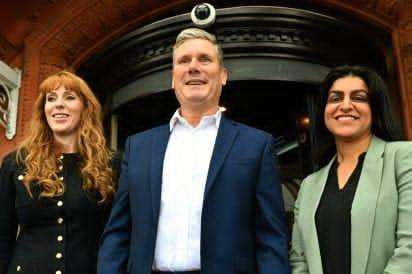
As the Starmer era disintegrates, the focus shifts aggressively to the succession. Angela Rayner stands as the formidable frontrunner, a politician who has mastered the art of survival. Despite resigning from the government last year over a capital gains tax dispute, Rayner has weaponized her time on the backbenches. She has positioned herself as the moral conscience of the party, leading the revolt to force transparency regarding the Epstein files.
Rayner represents the soul of the Labour movement in a way Starmer never did. Her narrative—a former care worker, teen mother, and trade unionist who rose to the high offices of state—offers the party a chance to reset its connection with the working class. If she is cleared by the ongoing official review into her tax affairs, her return to the front line would be nothing short of cinematic. She offers a complete stylistic break from the technocratic, legalistic leadership of Starmer. A Rayner premiership would be bold, loud, and undeniably distinct.
Shabana Mahmood: History in the Making
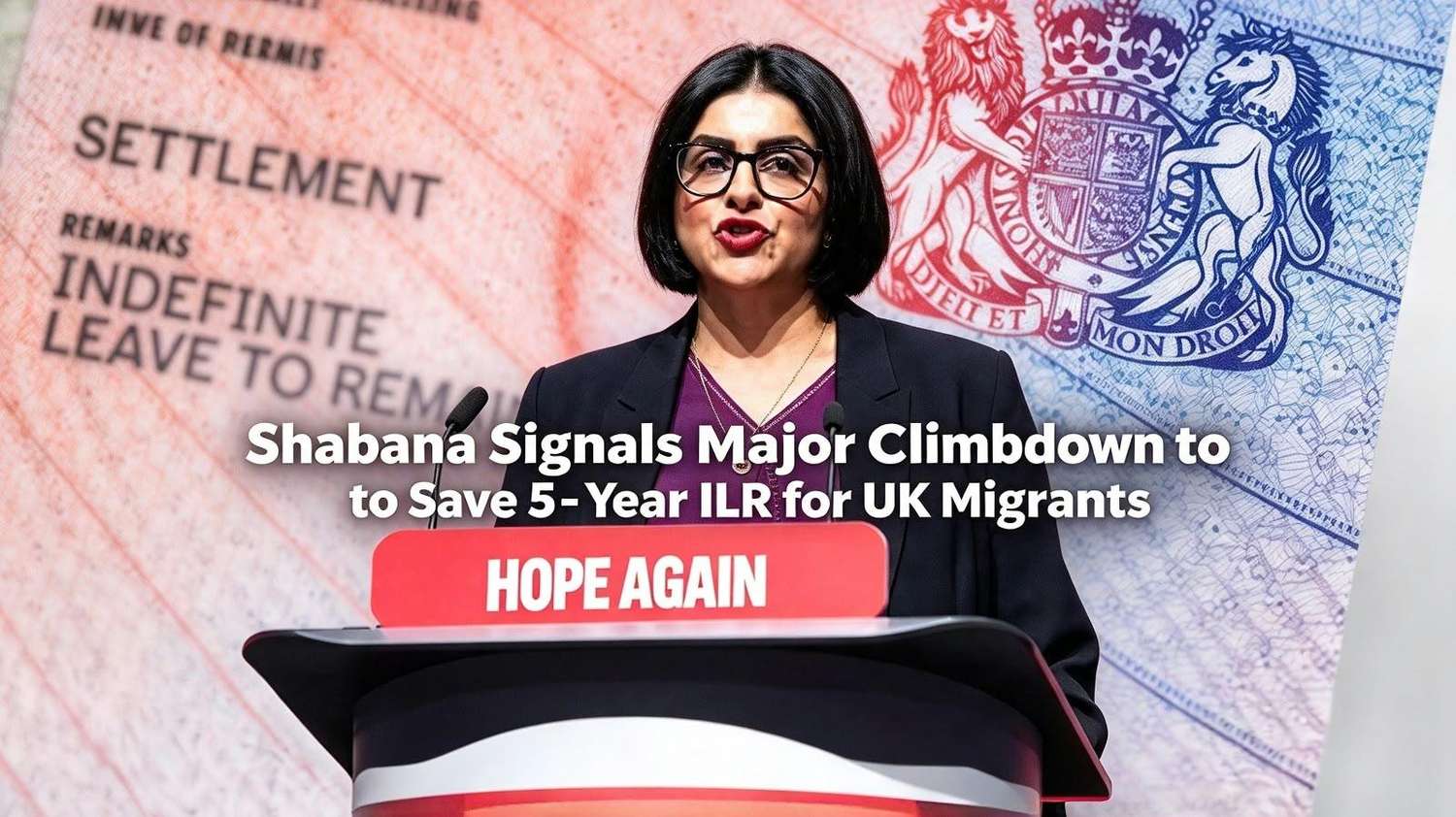
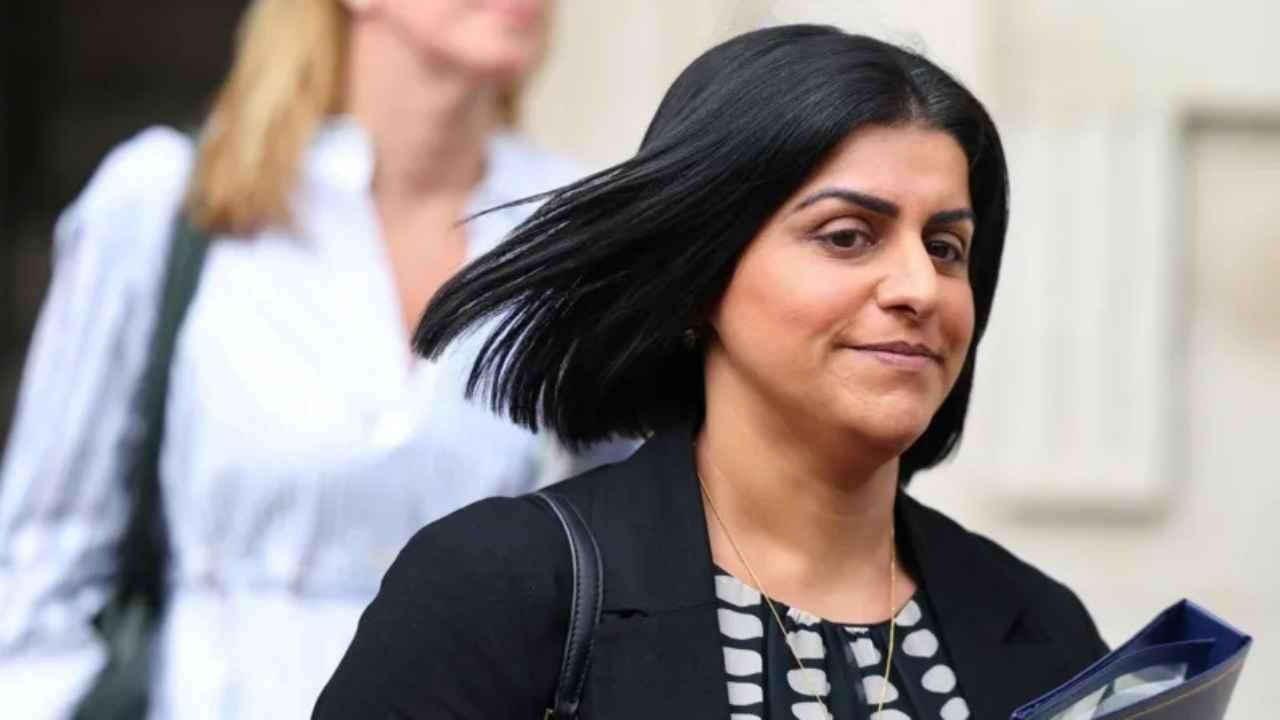
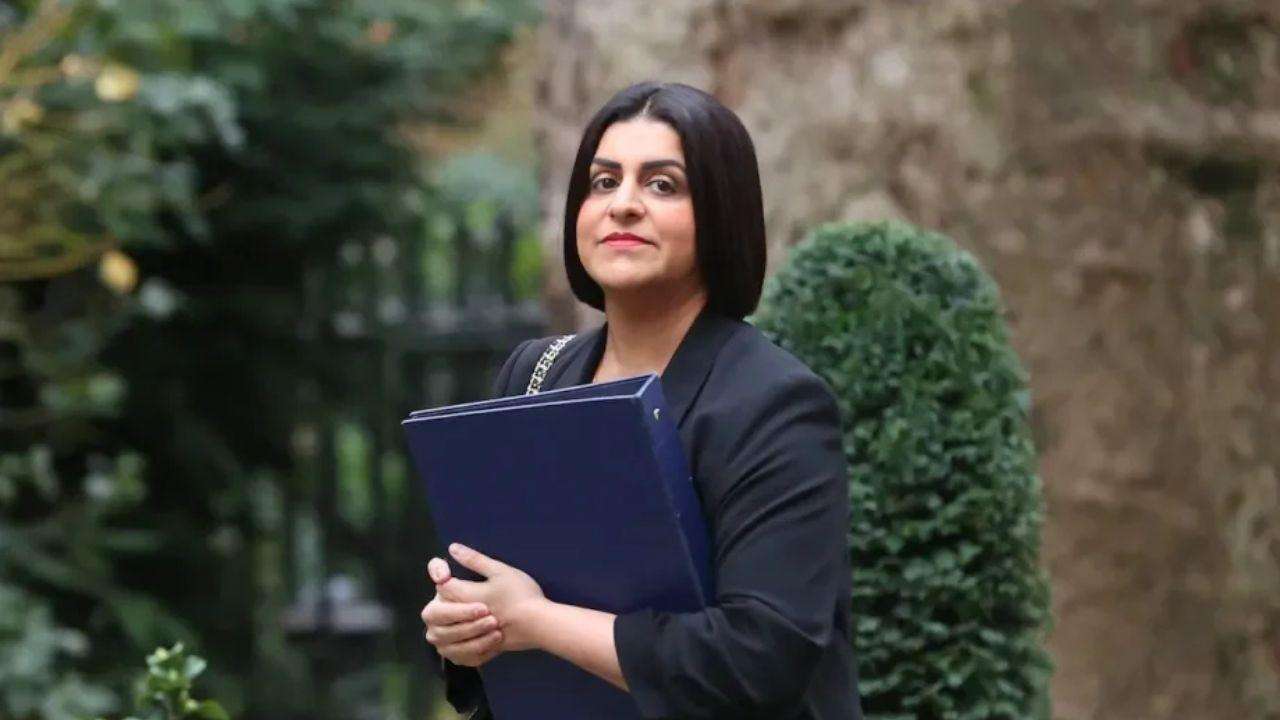
However, the most electrifying dynamic in this potential contest is the rise of Home Secretary Shabana Mahmood. While Rayner rallies the left and the unions, Mahmood has quietly consolidated power on the right of the party. As Home Secretary, she has cultivated an image of iron competence, overseeing tough new border controls and navigating the treacherous waters of law and order with a steely resolve that has impressed the party’s conservative flank.
Mahmood represents a history-shattering possibility: the first female Muslim Prime Minister of the United Kingdom. Her ascension would be a global headline, redefining Britain’s image of multiculturalism and meritocracy. Unlike Rayner, Mahmood is currently holding one of the Great Offices of State, giving her an aura of immediate governability. She is viewed by many MPs as the "safe pair of hands" needed to stabilize the ship of state after the chaos of the Mandelson affair. Her supporters argue that after the Starmer experiment, the public craves competence over charisma, and Mahmood delivers that in spades.
Is Britain Ready for Another Female PM?
The departure of Starmer would almost certainly usher in Britain’s fourth female Prime Minister. The dominance of Rayner and Mahmood in the succession conversation highlights a significant shift in the UK’s political center of gravity. Whether it is the fiery, authentic populism of Rayner or the disciplined, intellectual rigour of Mahmood, the next occupant of Number 10 will likely be a woman who breaks the mold.
The Dark Horse and The constitutional block
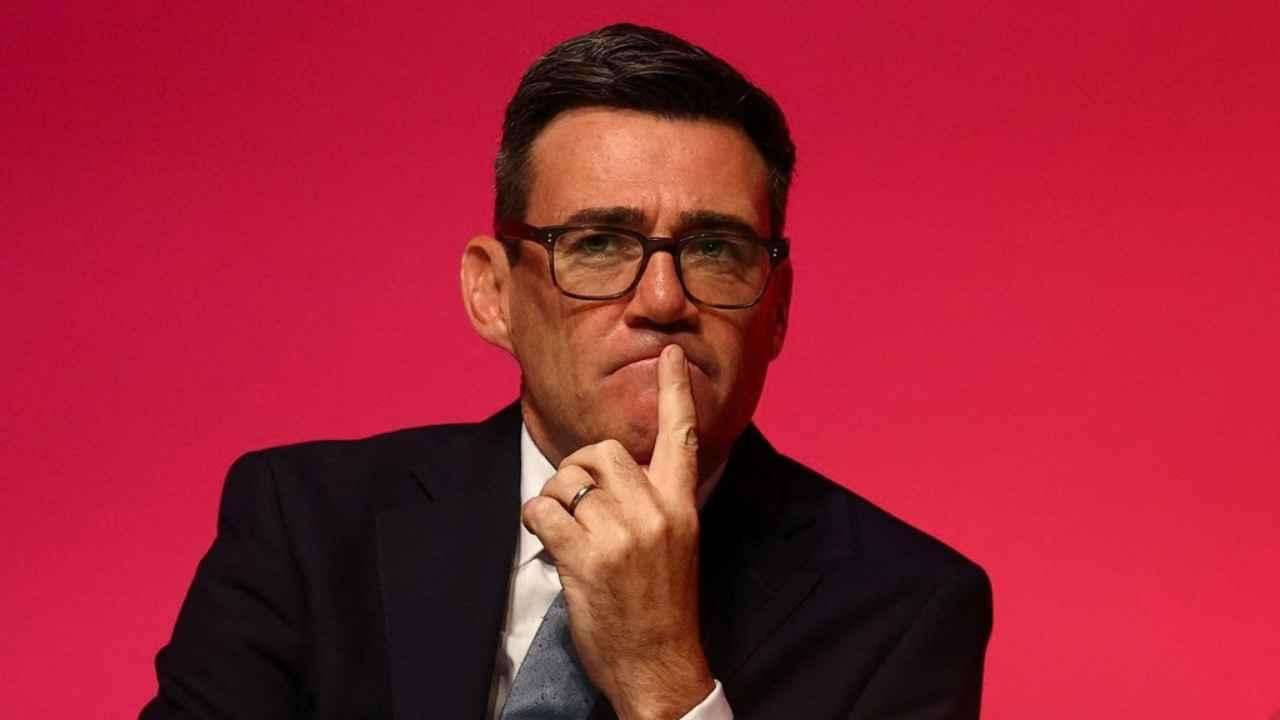
While Health Secretary Wes Streeting has long harbored ambitions for the top job, his proximity to the current leadership clique may damage him. He has previously dismissed leadership plotting as "nonsense," but the vacuum left by Starmer will test that loyalty. Meanwhile, the popular Mayor of Manchester, Andy Burnham, remains trapped by constitutional convention. Without a seat in Parliament, he is powerless to intervene, leaving the field open for the Westminster titans to battle it out.
What Happens Next
The immediate hours are critical. We are looking at an expedited leadership contest, likely concluded within weeks to provide stability. The King may well be preparing to receive his third Prime Minister in less than five years. The Starmer project is ending; the battle for the soul of Britain is just beginning.