




.svg)
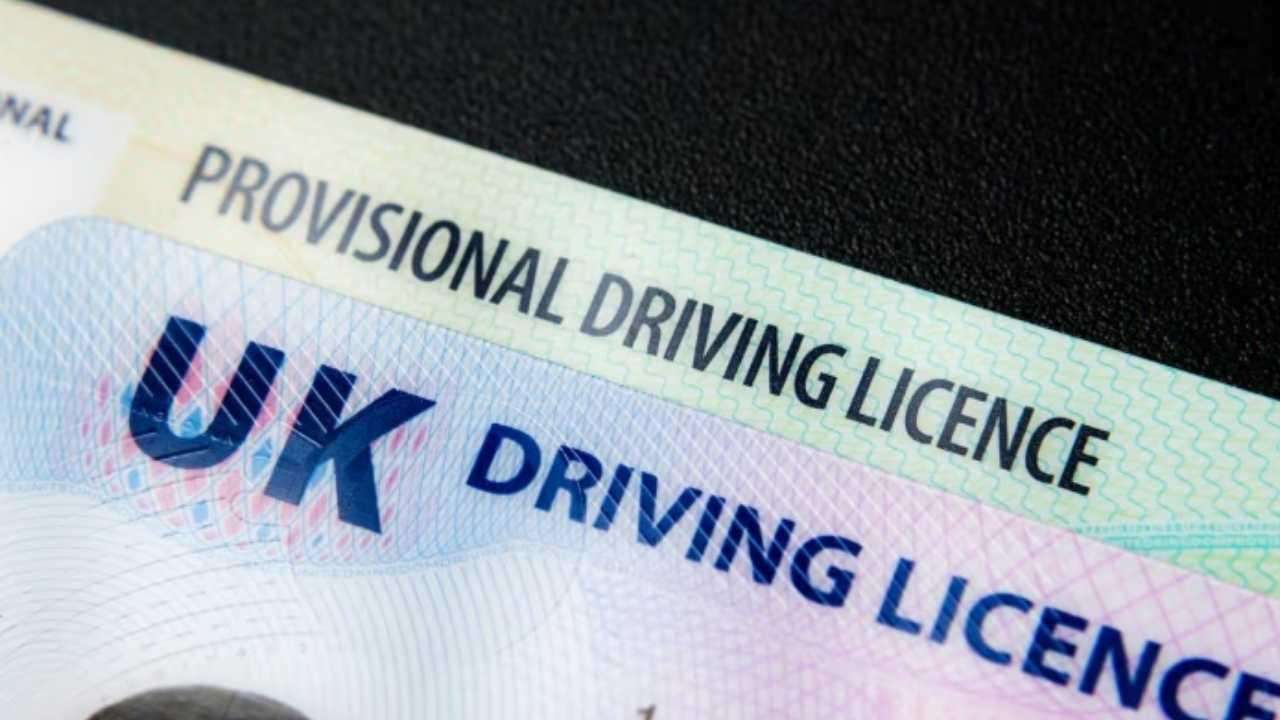
Drivers across the UK are being urged to carry out important safety checks before getting behind the wheel — and it’s not just about the condition of their vehicle.
According to guidance on the gov.uk website, motorists must inform the DVLA if they have any medical condition that could affect their ability to drive safely. Failing to do so can result in a fine of up to £1,000. Drivers could also face prosecution if they are involved in an accident and did not declare a relevant condition.
Anyone with a car or motorcycle licence is required to notify the DVLA if they develop a “notifiable” medical condition or disability, or if an existing condition has worsened since their licence was issued.
Notifiable conditions include illnesses or disabilities that may impact safe driving. These can include diabetes (especially if treated with insulin), fainting (syncope), heart conditions such as atrial fibrillation or having a pacemaker, sleep apnoea, epilepsy, stroke, and glaucoma.
Drivers must also report certain eye conditions. These include blepharospasm, diabetic retinopathy treated with laser, double vision (diplopia), glaucoma, night blindness (nyctalopia), and retinitis pigmentosa.
You are required to inform the DVLA if:
-
The eye condition affects both eyes
-
It affects one eye and you only have vision in that eye
-
You have retinitis pigmentosa in one or both eyes
-
A doctor, optician, or eye specialist has advised you not to drive
-
You do not meet the legal eyesight standards for driving
To meet the visual standards for driving, you must:
-
Be able to read a vehicle number plate from 20 metres
-
Not experience double vision
-
Have a normal field of vision in at least one eye (which can be tested by an optician)