







.svg)
The diplomatic corridor between London and Dhaka has transformed into a high-stakes arena of judicial brinkmanship as the newly mandated administration under Tarique Rahman maneuvers to bring British MP Tulip Siddiq into the crosshairs of a widening accountability probe.
Read more: Tulip Siddiq Case Takes Turn on First Day of Bangladesh’s New Government
The Strategy of Reciprocity
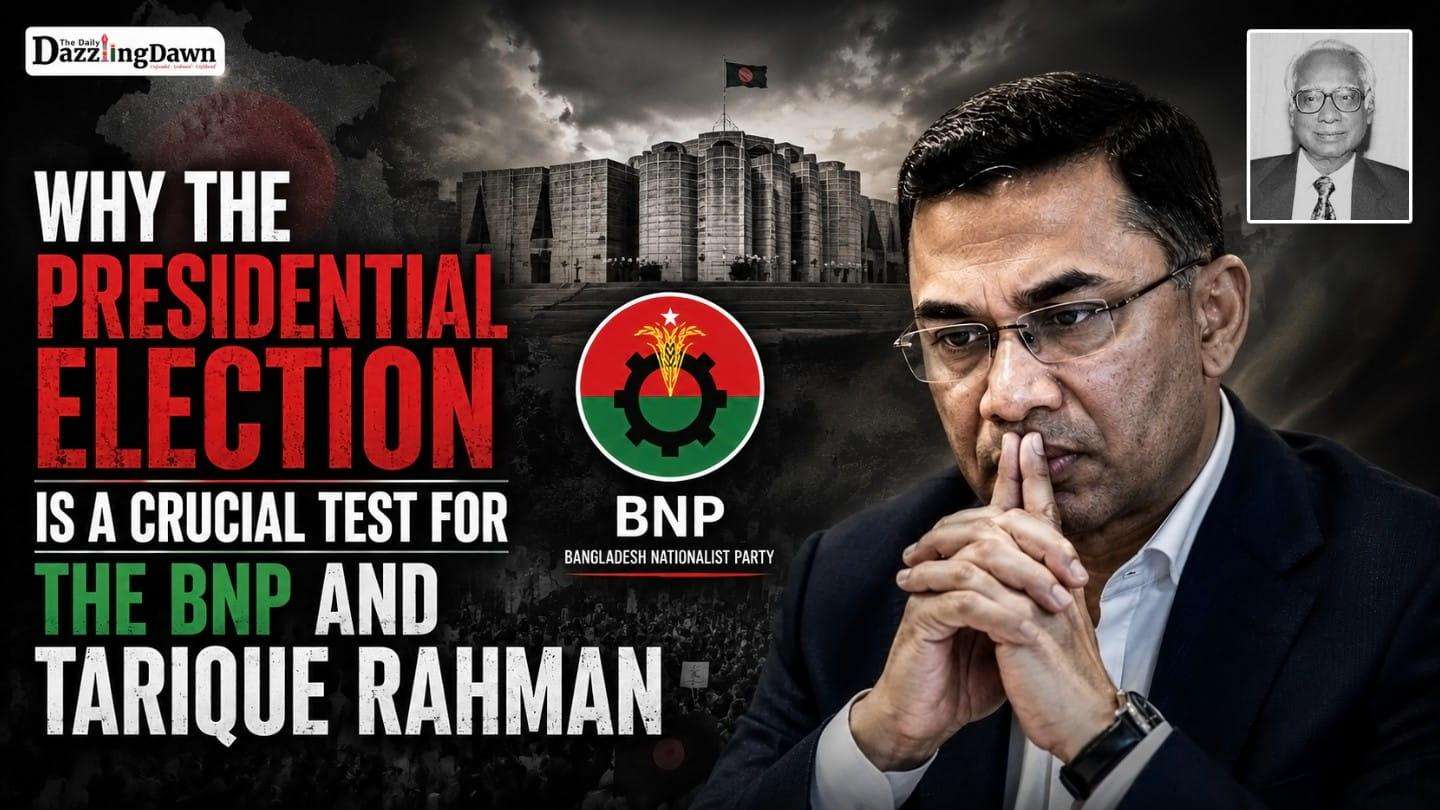
The political landscape has shifted decisively following the landslide victory of the Bangladesh Nationalist Party (BNP) in the February 2026 elections. Having spent seventeen years in London, Prime Minister Tarique Rahman has emerged as a refined strategist who understands the intricate pulleys of British governance better than any predecessor. His residency was a masterclass in political maneuvering, allowing him to cultivate deep roots within the Westminster periphery. Now back in power, Rahman is deploying a sophisticated doctrine that frames the pursuit of Tulip Siddiq—the niece of ousted leader Sheikh Hasina—not as a personal vendetta, but as a test of international judicial cooperation and reciprocity.
Leveraging the Hasina-Era Migration Deal
The cornerstone of this new strategy is the "Returns and Reintegration Partnership" signed in May 2024. Originally inked by the Hasina government, this agreement was born out of political desperation. At the time, the London High Commission was crippled by massive protests from hundreds of BNP activists and asylum seekers, making it impossible for Sheikh Hasina to secure hotel accommodations or move freely. To manage the chaos, the agreement was rushed through to expedite the removal of Bangladeshi nationals with no legal right to remain in the UK. While technically an administrative tool for ordinary citizens, the Rahman administration is now brilliantly leveraging it as a diplomatic tool. The message to London is clear: if Bangladesh acts as a partner in solving Westminster’s migration crisis, the UK must respect Dhaka’s judicial demands regarding high-profile financial accountability.
The Kabir Doctrine and the New Guard
The weight of Dhaka’s intent is best measured by those closest to the center of power. Humayun Kabir, a core member of Rahman’s inner circle during the London years, was recently appointed as an Adviser with the rank of State Minister to the Prime Minister. Kabir has become the vocal architect of this accountability drive, stating that the government will utilize every legal avenue to ensure that justice is not obstructed by borders. This appointment signals a shift toward surgical diplomacy, directly challenging the "privilege" Siddiq has long enjoyed within the Labour Party.
Grievances and Legal Improbabilities
While it can be asserted with near-certainty that the Bangladesh government will fail in any formal attempt to extradite Tulip Siddiq—as British history offers no precedent for the extradition of a sitting Member of Parliament—the campaign against her persists. The sustained rhetoric targeting Siddiq, despite these legal improbabilities, appears to be a calculated manifestation of long-standing grievances. The animosity stems from persistent rumors and allegations that during her aunt Sheikh Hasina’s tenure as Prime Minister, Siddiq acted as a silent enabler in the systemic suppression of the BNP. Within anti-Awami League circles, the conviction remains firm that she leveraged her position in London to provide tacit support for the previous regime's crackdowns, fueling the current political drive to see her face accountability.
Read also: Fact-Check: The Truth About Tarique Rahman’s Marriage and "First Wife" Propaganda
Westminster’s Internal Rift
Inside Number 10, the "Siddiq Affair" remains a source of friction. Following her resignation as a Treasury minister in early 2025—ironically while serving as an anti-corruption official—Tulip Siddiq’s political future remains under intense scrutiny. While Prime Minister Keir Starmer has defended her in the past, a pragmatic faction led by Deputy PM Angela Rayner is reportedly less inclined to shield Siddiq from the fallout of the multi-billion-dollar allegations surfacing in Dhaka.
A Historic Reversal of Fortunes
The irony is profound. For a decade, Sheikh Hasina exhausted every channel to bring Tarique Rahman back to Bangladesh in chains, often utilizing Tulip Siddiq’s influence within the UK to apply pressure. Today, the roles are completely reversed. Rahman holds the levers of state power in Dhaka, while Hasina remains in exile. As the BNP administration prepares to submit formal requests via the very migration framework Hasina created, the "Returns and Reintegration" agreement stands as a potent reminder that the tools of the old regime are now being used to dismantle its legacy.





.jpg)
.jpg)

.jpg)