.jpg)




.svg)
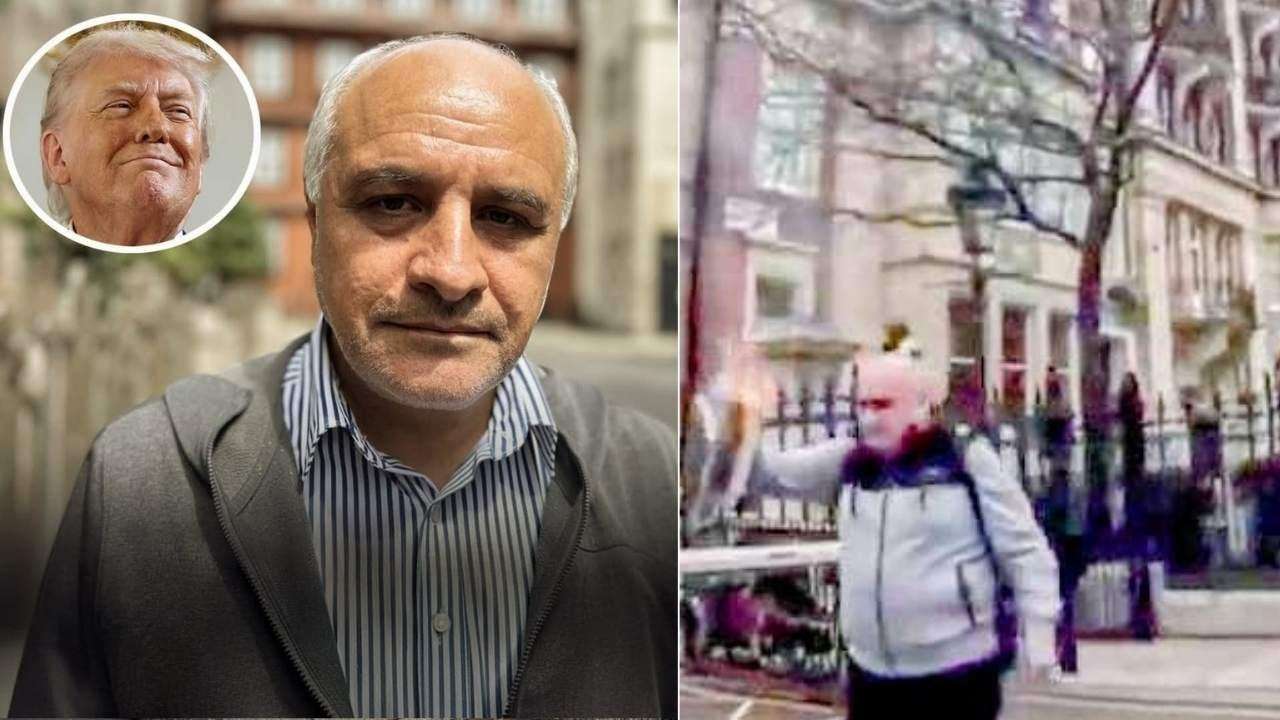
The UK High Court is currently the stage for one of the most polarizing legal battles of the decade as the Crown Prosecution Service (CPS) moves to overturn the acquittal of Hamit Coskun.
The Hidden Agenda Behind the Flames
While the case is publicly framed as a crusade for freedom of speech, a more complex narrative is emerging regarding the defendant’s ultimate intentions. Investigative reports suggest that Hamit Coskun—a Turkish-born man of Kurdish and Armenian heritage—may be using the legal firestorm to facilitate a high-profile exit from the UK. Sources indicate that Coskun is already in discussions with the United States State Department regarding a potential asylum claim. He has publicly stated that a conviction would prove the UK has "fallen to Islamism," potentially providing him the legal "persecution" necessary to secure a refugee status and government benefits in America. Critics argue that the act of burning the holy Quran was not merely a protest against the Turkish state, but a calculated move to engineer a personal immigration outcome under the guise of being a "free speech martyr."
The Crown’s New Argument: Desecration as Disorder
Inside the courtroom, the CPS has shifted its strategy to a more aggressive stance. Lead counsel David Perry KC is arguing that the physical act of burning a holy text is "in itself disorderly" when performed in a public thoroughfare like Knightsbridge. The prosecution is now introducing a specific "desecration" argument, claiming that the act goes beyond "intemperate criticism" of religion and constitutes a direct attack on a religious group. By linking the burning to a subsequent violent attack on Coskun by a bystander, the CPS is challenging the previous judge's ruling, suggesting that the "desecration" was the primary catalyst for public disorder and cannot be protected as peaceful expression.
The Blasphemy Law Debate Re-Ignited
Civil liberties groups, including Humanists UK and the National Secular Society, are watching the bench with growing alarm. They argue that if the High Court sides with the CPS, it would effectively reintroduce blasphemy laws through the "back door." The defense maintains that while burning the Quran is deeply offensive to the Muslim community, the law must protect the "right to offend, shock, or disturb" as outlined in Article 10 of the ECHR. They argue that criminalizing the act because it provoked a violent reaction from others grants a "heckler’s veto" to anyone willing to use force to silence dissent.
Read also: UK High Court Challenges Desecration as a Ticket to US Asylum: Hamit Coskun Verdict Looms
The Verdict that Will Redefine British Liberty
The High Court’s decision, expected in the coming weeks, will set a definitive precedent for the limits of protest in modern Britain. The judges, Lord Justice Warby and Mrs. Justice Obi, are tasked with deciding if the state can prosecute the "desecration" of religious symbols without infringing on the fundamental right to criticize religious institutions. For Coskun, the result is the difference between a criminal record in London or a new life as a protected political refugee in the United States.
Hamit Coskun’s legal fate rests on whether the High Court views his actions as a protected protest or a criminal provocation.

.jpg)