



.svg)
Angry Labour backbench MPs have criticised the student loan system in England and Wales, arguing that millions of graduates are being left with growing debts under what they describe as an “unfair” arrangement.
The criticism comes ahead of a Westminster Hall debate in the House of Commons, where MPs are expected to press ministers for urgent reforms to the “plan 2” student loan scheme. An estimated 5.8 million students took out plan 2 loans between 2012 and 2023.
Under the current system, graduates repay loans through monthly deductions from their salaries once they earn above a set threshold. However, high interest rates mean that for many borrowers, the total debt continues to increase despite regular repayments.
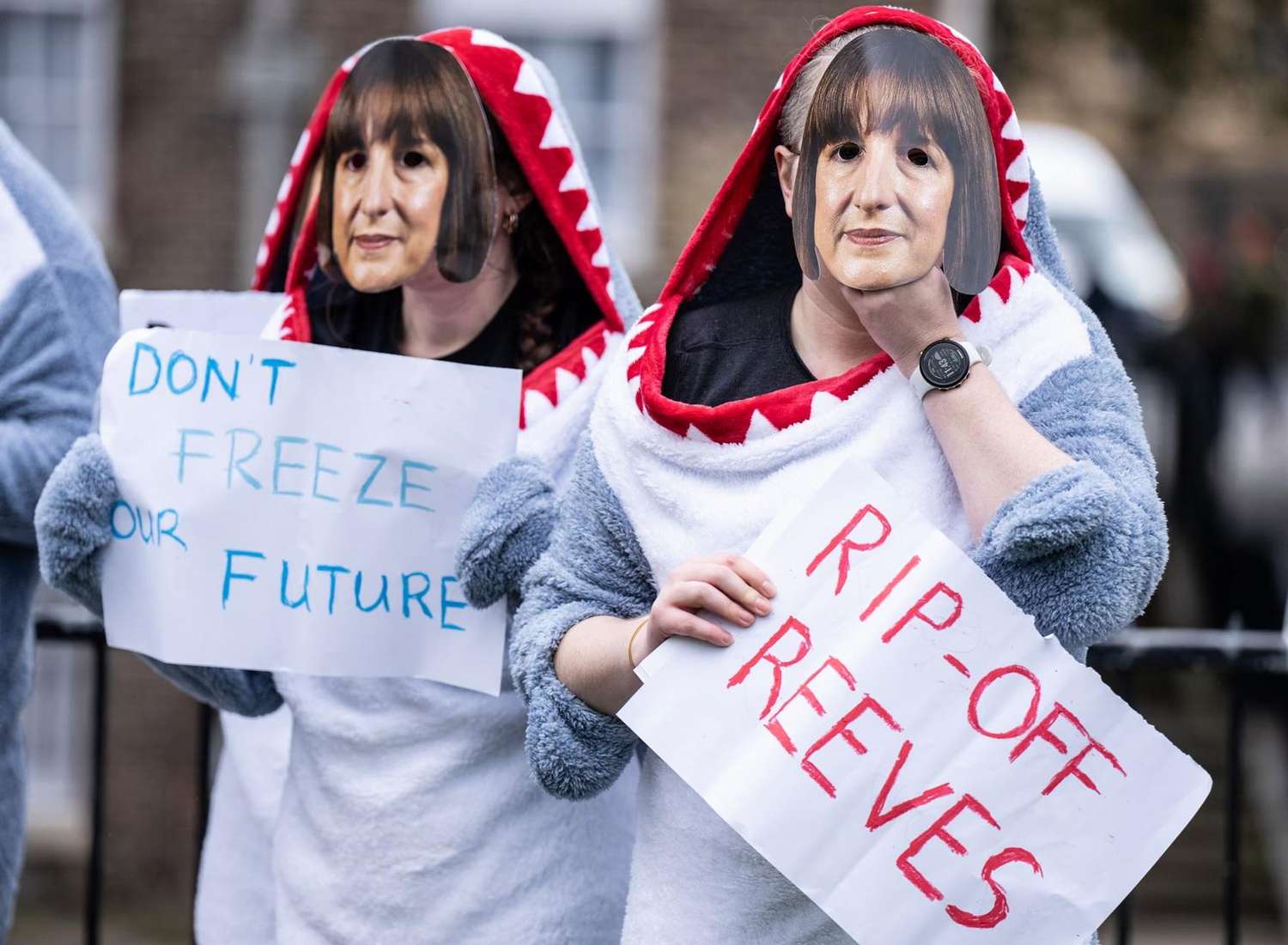
The controversy intensified after Chancellor Rachel Reeves announced last November that the salary threshold for plan 2 repayments would be frozen for three years. The move has been criticised as a departure from earlier assurances that the threshold would rise annually in line with earnings.
Education Secretary Bridget Phillipson recently acknowledged there were “problems” with the current loan system. While she signalled that the government’s immediate priority may be restoring maintenance grants for poorer students, she said reforms to improve conditions for graduates remain under review.
Several Labour MPs have spoken out strongly. Alex Sobel, MP for Leeds Central and Headingley and co-chair of the all-party parliamentary group for students, said graduates on plan 2 loans were being “outrageously scammed” by high interest charges applied from the first day of study.
Jas Athwal, MP for Ilford South, who called the debate, described the system as “littered with unfairness”, adding that inherited flaws should not justify making it worse.
Abtisam Mohamed, MP for Sheffield Central, said many graduates feel the system is “stacked against them”, with debts continuing to grow even while repayments are being made.
Outside Parliament, consumer finance expert Martin Lewis and the National Union of Students have been among those calling for urgent changes. The issue has also sparked political debate, with opposition parties outlining alternative proposals.
In response, a government spokesperson said the current system was inherited from the previous Conservative administration. They defended the threshold freeze as necessary to protect taxpayers and future generations, adding that lower earners are protected because repayments are income-based and any remaining debt is written off at the end of the repayment term.
With millions affected, pressure is mounting on ministers to decide whether to reform interest rates, repayment thresholds or the broader structure of the student finance system.