





.svg)
Migrants rush for citizenship as policy shifts loom.
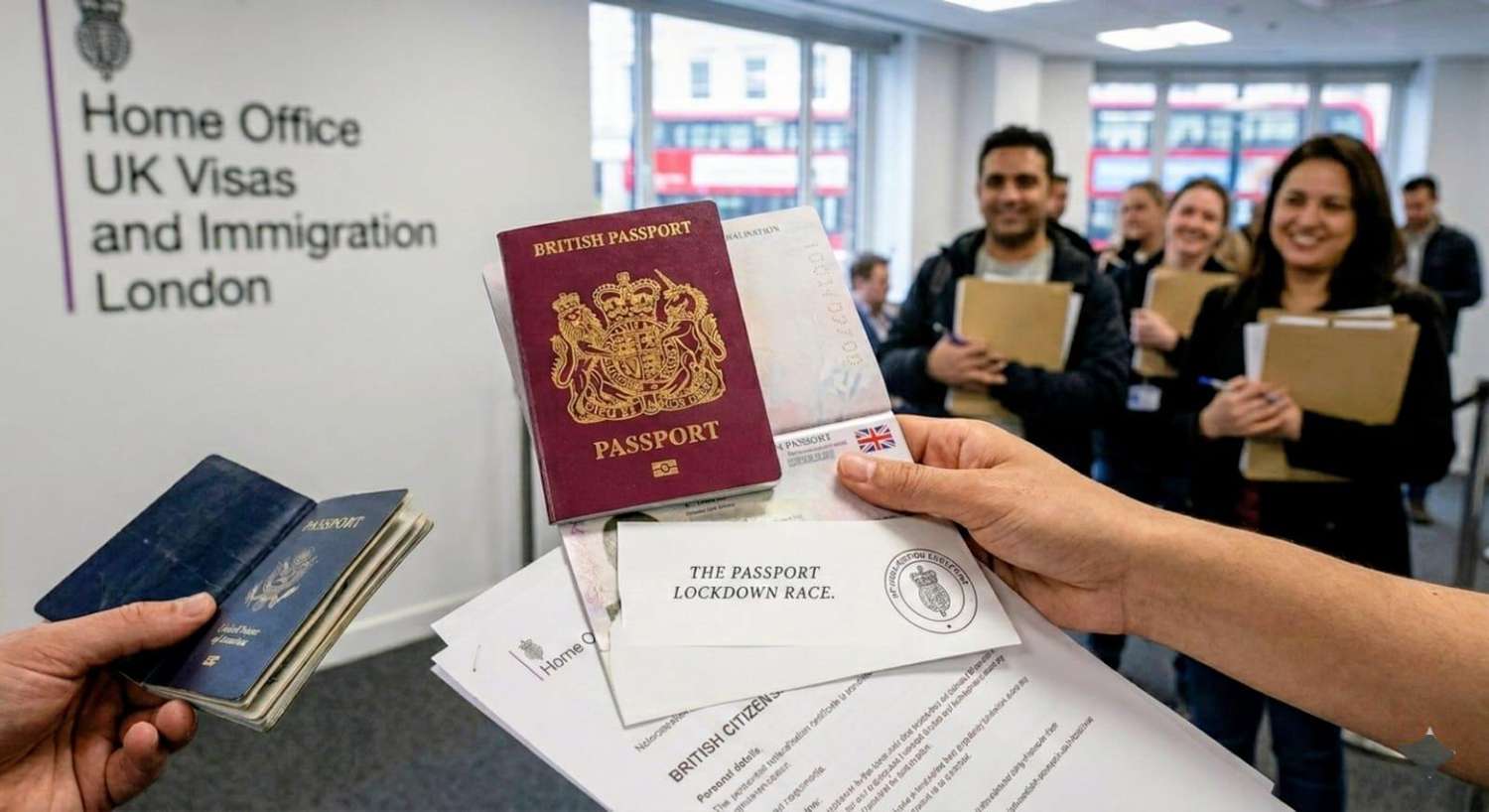
The Home Office is processing a historic wave of naturalisation requests as long-term residents scramble to lock in their status before a tightening of settlement window requirements.
The Deadline Mentality Driving the Surge
While political rhetoric often focuses on border crossings, a more profound shift is occurring within the UK’s settled population. Recent data indicates a sharp spike in citizenship applications, fueled not just by the fear of Reform UK’s proposed "settlement crackdown," but by a pragmatic desire to bypass imminent administrative hurdles. Nigel Farage’s party has consistently advocated for extending the residency requirement for citizenship from five years to ten, a move that has sent shockwaves through the legal sector. Immigration solicitors report a "now or never" mentality among eligible applicants who fear that the window for permanent security is closing. This rush is being further accelerated by the anticipation of the next Home Office fee review, which historically results in significant cost increases for naturalisation certificates.
Beyond Politics: The Economic and Geopolitical Pull
The surge is not merely a defensive reaction to political slogans; it is driven by a fundamental shift in the value of the British passport. For many EU citizens who transitioned from Pre-Settled to Settled Status, the initial post-Brexit hesitation has evolved into a quest for absolute certainty. The "digital-only" status provided by the Home Office has faced criticism for technical glitches, leading many to view a physical British passport as the only reliable proof of right to work and travel. Furthermore, the global landscape has made the UK’s visa-free travel perks more attractive to high-net-worth individuals from volatile regions, who are now choosing the UK over traditional alternatives like the Caribbean "Golden Visas," which are currently under intense international scrutiny.
The Upcoming Transformation of the Application Process
What remains largely under the radar is the government’s move toward the "Contactless Border" and the full digitisation of the citizenship pathway. In the coming months, the Home Office is expected to introduce more streamlined biometrics, but this convenience comes with a trade-off: increased automated vetting. Future applicants will face a sophisticated AI-driven "Good Character" check that cross-references tax records, driving offences, and social media presence more rigorously than ever before. This looming technological shift is prompting those with complex histories to submit their files now, hoping to be assessed under the current manual oversight rather than the upcoming algorithmic scrutiny.
The Future of the British Settlement Strategy
Looking ahead, the debate over British citizenship is set to move from residency years to "economic contribution." Emerging policy discussions within Whitehall suggest that future citizenship pathways may become tiered, potentially offering faster tracks for those in high-demand sectors like green energy and healthcare, while tightening the "Life in the UK" testing requirements to include more rigorous English language standards. As the UK moves toward a more selective immigration model, the current surge represents the final exodus from the old system. For those currently in the queue, the British passport is no longer just a travel document; it is a definitive hedge against a future where the right to remain is treated as a privilege to be earned rather than a milestone to be reached.