





.svg)
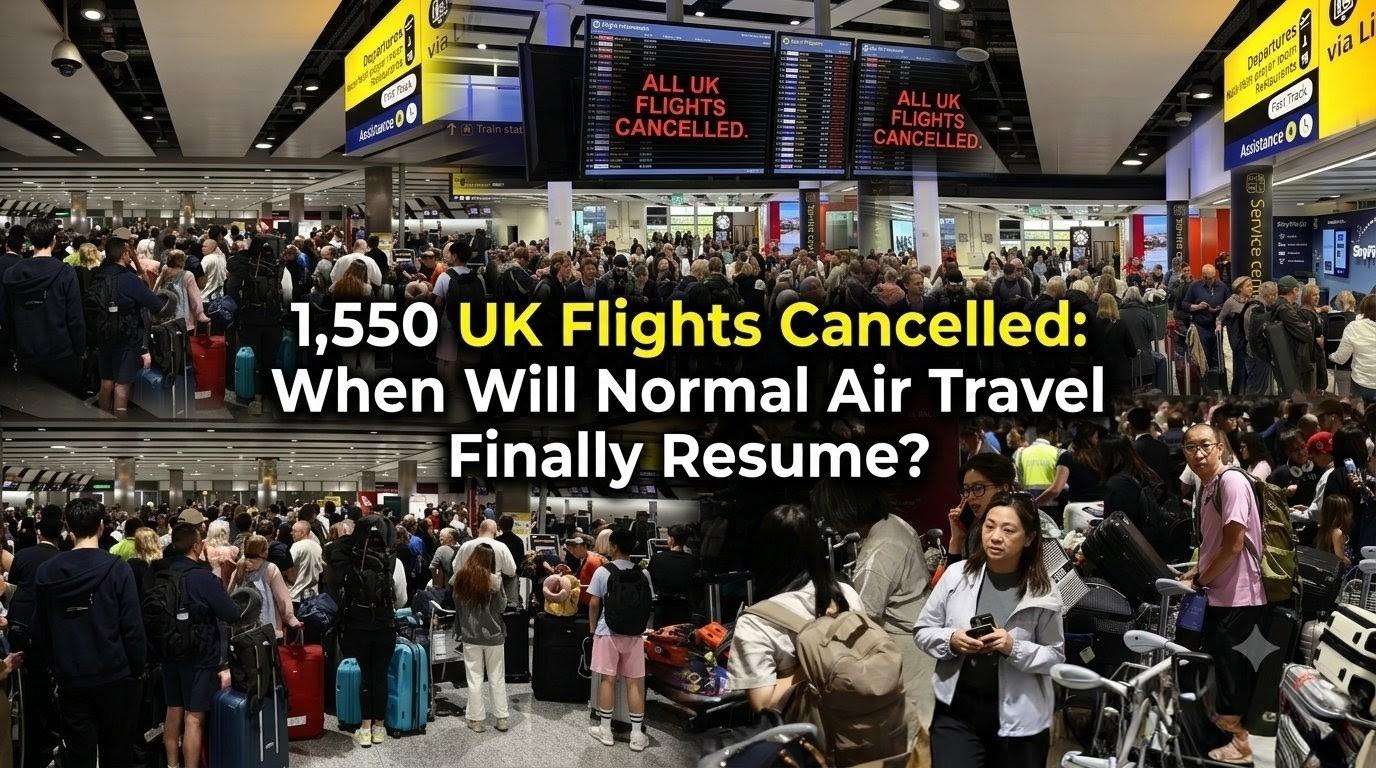
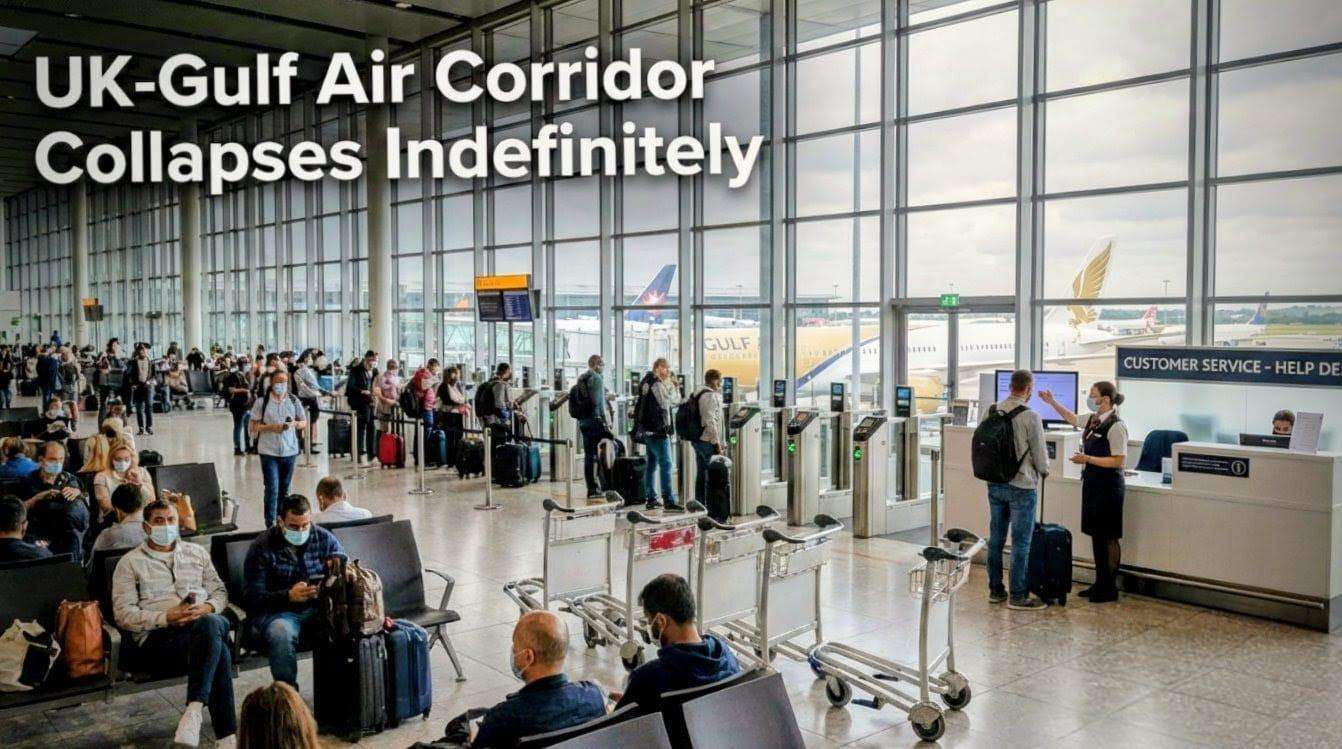
Travel between the United Kingdom and the United Arab Emirates has effectively ceased as the region’s aviation infrastructure suffers its most significant collapse in history.
The Infinite Grounding
While airlines initially signaled a return to operations by Monday afternoon, internal industry data suggests a total UK-UAE flight blackout that will likely persist well into mid-March. The "Monday restart" has been exposed as a placeholder; Emirates has officially shuttered Dubai operations until at least 3:00 PM local time on March 2, while Etihad has extended its Abu Dhabi grounding. Crucially, major European carriers including Lufthansa and KLM have already moved their suspension dates to March 5, citing the designation of the entire Gulf as a "high-risk" conflict zone. For British passengers, this means the air bridge to the East is not just delayed, but structurally severed for the foreseeable future.
Direct Impacts on Hub Infrastructure
The crisis has escalated beyond airspace closures to physical infrastructure compromises. Reports now confirm that Dubai International—the world's busiest international hub—sustained damage during recent interceptions, with four staff members injured. In Abu Dhabi, Zayed International Airport reported a fatality after drone debris struck the facility. These "hard" impacts mean that even if the missiles stop, the technical and safety certifications required to reopen these airports to London-originating flights will take days, if not weeks, to restore.
Emergency Directives for British Nationals
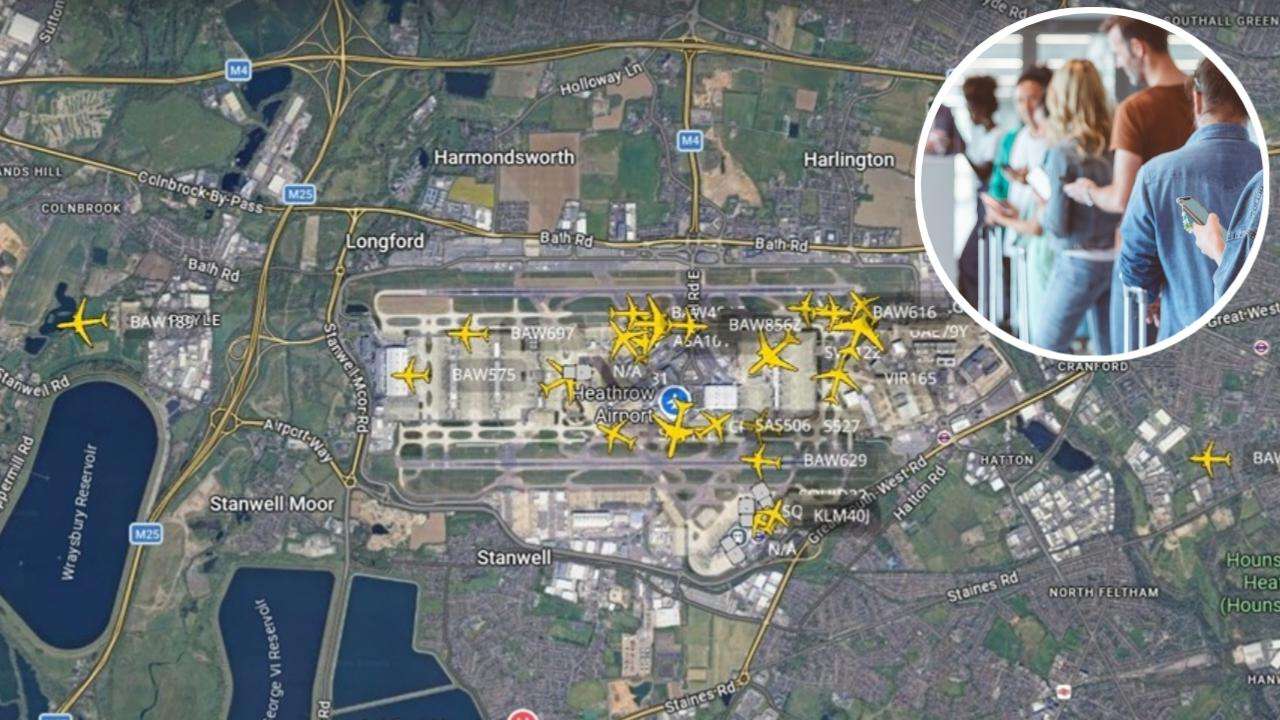
The Foreign, Commonwealth & Development Office (FCDO) has taken the extraordinary step of advising more than 76,000 British nationals currently in the UAE to "shelter in place." This is a significant shift from standard "avoid travel" warnings, indicating that the risk of falling debris from intercepted strikes over major residential and tourist areas is a current reality. British tourists at London Heathrow and Gatwick are being told not to travel to the airport at all, as terminal capacity reaches a breaking point and insurance providers move to pull war-risk coverage for the region.
The Post-Monday Outlook
What happens next is a massive logistical pivot. Airlines are currently prioritizing "recovery flights" for those already stranded in secondary hubs like Doha and Istanbul, meaning new departures from the UK will be the last to resume. Aviation analysts predict a "backlog effect" where even after flights restart, it will take until April to clear the thousands of stranded UK travelers. British Airways and Virgin Atlantic have already introduced flexible rebooking windows extending to March 29, a quiet admission that the disruption is expected to be a month-long event rather than a weekend delay.

.jpg)