





.svg)
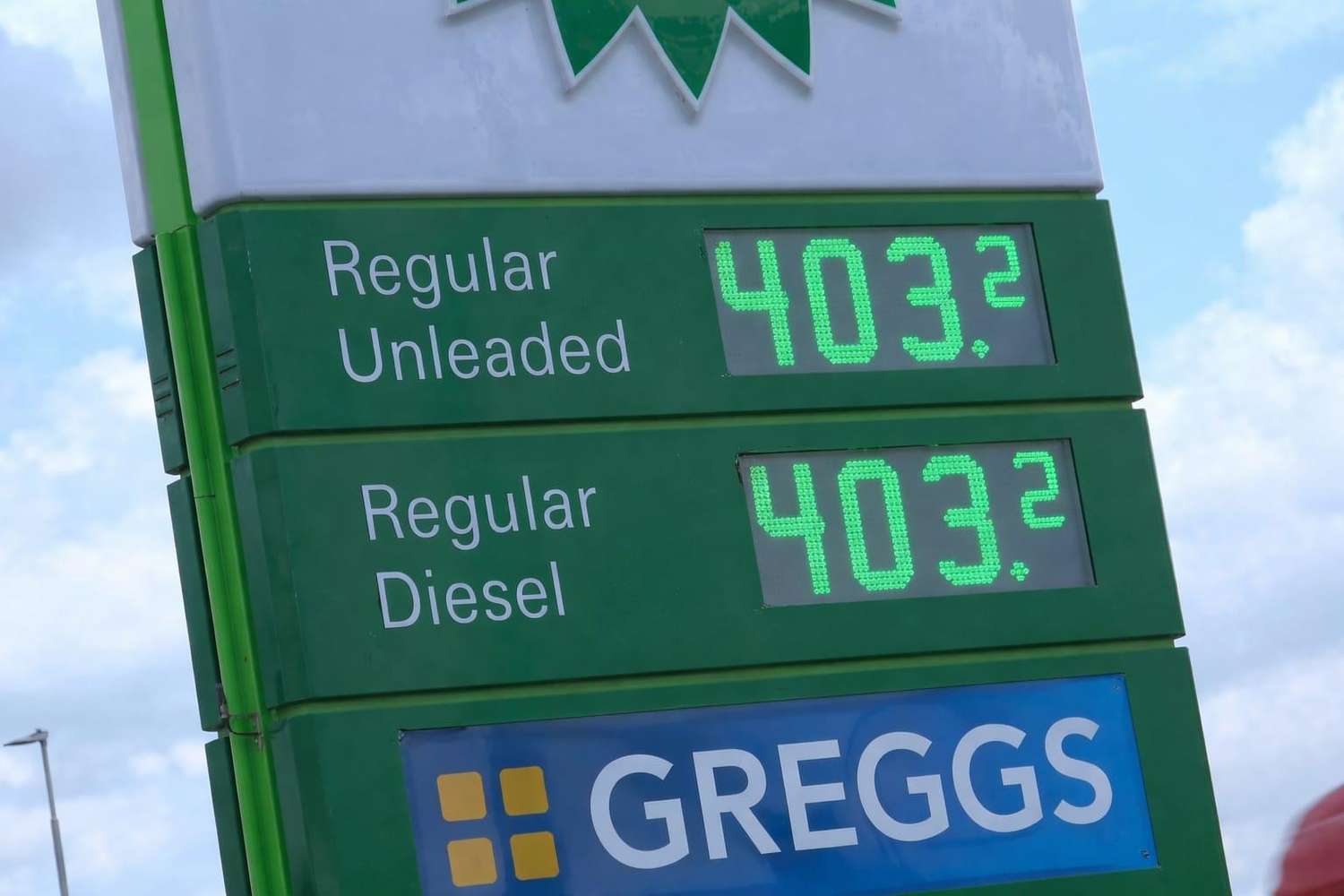
The landscape of British motoring has shifted overnight as domestic fuel prices reflect a sharp tightening of global crude supplies. With the Strait of Hormuz facing renewed transit uncertainty, the ripple effect has hit UK forecourts with unprecedented speed. Current data indicates that the traditional price gap between supermarket and branded fuel is narrowing, as procurement costs surge for all retailers. Market analysts are now turning their attention to the government’s emergency energy resilience protocols, which could be triggered if wholesale volatility remains at these levels for more than 48 hours.
Supply Chain Integrity Under Pressure
The immediate concern for the UK economy lies in the logistics sector, where the "just-in-time" delivery model faces its most significant challenge since the 2022 energy crisis. Independent fuel retailers are reporting that current stocks are being depleted faster than replenishment schedules allow, leading to localized price spikes that exceed the national average. While the Department for Energy Security and Net Zero remains in active dialogue with the "Big Four" supermarkets, the focus is shifting toward protecting the movement of essential goods and food supplies, which rely heavily on stable diesel pricing.
Government Intervention and Fiscal Policy
Pressure is mounting on the Treasury to reconsider the existing fuel duty framework as a means of cooling the inflationary heat. Industry experts suggest that a temporary "price floor" or a dynamic duty reducer could be the next logical step to prevent a total stagnation of consumer spending. With a significant percentage of the workforce indicating they may opt for remote work to offset commuting costs, the broader impact on city-center economies and the commercial real estate sector is being closely monitored by the Cabinet Office as a secondary economic risk.
The Evolution of Commuter Behavior
As the cost of private vehicle ownership reaches a new threshold, the UK is witnessing a forced acceleration of the transition to alternative transport. Public transport networks, particularly rail and inter-city bus services, are preparing for a surge in seasonal patronage. Simultaneously, the second-hand electric vehicle (EV) market is seeing a spike in inquiries as motorists look for a permanent escape from pump-price volatility. The coming weeks will be a litmus test for the UK’s energy independence strategy and its ability to shield the domestic economy from external geopolitical shocks.