






.svg)
The rapid escalation of invasive meningococcal disease across British campuses has reached a critical threshold, exposing a dangerous disparity in protection. Recent data suggests that British Pakistani and British Bangladeshi students are facing a significantly higher "immunity gap" compared to the national average, leaving these communities at the epicenter of a developing public health emergency.
The Minority Immunity Gap- The UK Health Security Agency (UKHSA) National Immunisation Programme Health Equity Audit for 2025/2026 has confirmed that while overall MenACWY vaccine coverage for teenagers hovers around 72%, uptake in certain minority ethnic groups is substantially lower. Among British Pakistani and British Bangladeshi cohorts, coverage has been recorded as much as 15–20% below the national average in high-density urban areas. This "immunity gap" is not a biological fluke but the result of systemic barriers, including limited access to school-aged immunization programs and a measurable erosion of trust in health authorities following the pandemic. In London, where these communities have high representation, MenACWY coverage for year 10 students has dropped as low as 46.3% in some boroughs, creating a "perfect storm" for the pathogen to circulate.
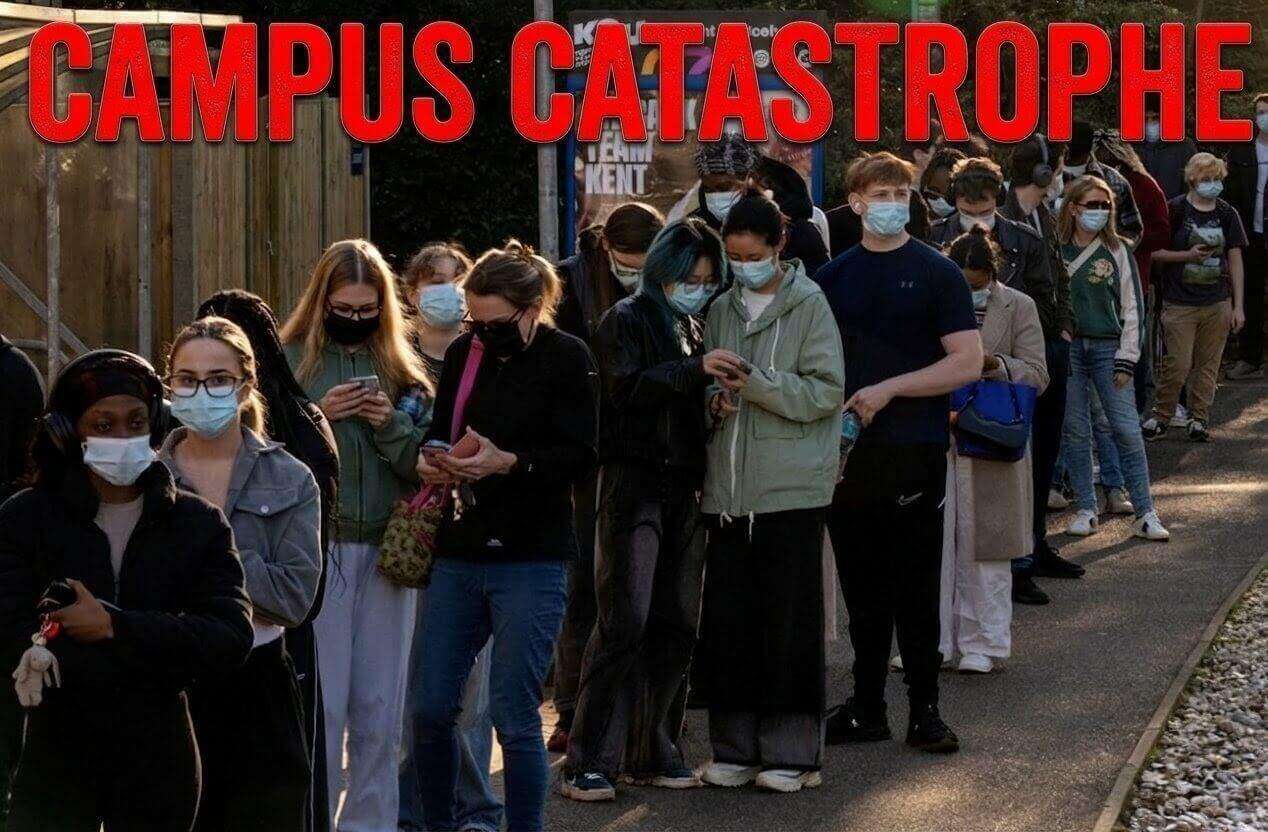
Kent Outbreak Hits Critical Capacity- The crisis is most visible in Canterbury, where a second university has confirmed a meningitis diagnosis. The University of Kent’s vaccination hub was forced to turn away over 100 students this week after reaching maximum capacity, a bottleneck that experts warn is particularly dangerous for underserved student populations. For British South Asian students, who are more likely to live in multigenerational households or high-density student housing, the risk of rapid transmission is amplified. The current surge is dominated by the MenB strain, which was only added to the routine infant schedule in 2015. This means the vast majority of current university students—including the "catch-up" cohorts who missed routine teenage jabs—have no natural or vaccine-induced immunity to the most prevalent strain currently killing young adults in the UK.
Cultural Barriers and the Trust Deficit- Beyond infrastructure failures, health officials are grappling with a deep-seated trust deficit. Research into vaccine hesitancy reveals that British South Asian communities have been disproportionately affected by health misinformation and a history of perceived discrimination within the NHS. This has led to a "wait-and-see" approach to newer vaccines like MenB, even as the disease maintains a 10% fatality rate. When one in ten cases is fatal and 20% of survivors suffer life-altering injuries like limb loss or brain damage, the cost of this communication failure is catastrophic. Experts are now calling for "decolonized" health outreach—tailored, multilingual, and community-led campaigns—to ensure that the most vulnerable students aren't left behind as the outbreak spreads toward London and other major hubs.
The Path Forward: Proactive Intervention- The current "reactive" policy of opening clinics only after a case is confirmed is proving inadequate for closing the specific gaps in the British Pakistani and Bangladeshi communities. Moving forward, the UKHSA is under pressure to implement mandatory, targeted catch-up campaigns specifically within high-risk university boroughs. Public health leaders emphasize that the window to act is narrowing; without a surge in targeted vaccinations and a transparent effort to rebuild community trust, the "immunity gap" will continue to function as a bridge for the disease to move from campuses into wider, high-density residential areas. The priority is now a stable, equitable vaccine pipeline that ensures no student—regardless of background or borough—is turned away from a life-saving jab.