






.svg)
A Hardline Shift in Foreign Policy- Reform UK has unveiled a transformative policy aimed at redefining Britain’s diplomatic and migratory relationships with the international community, Daily Dazzling Dawn realised.
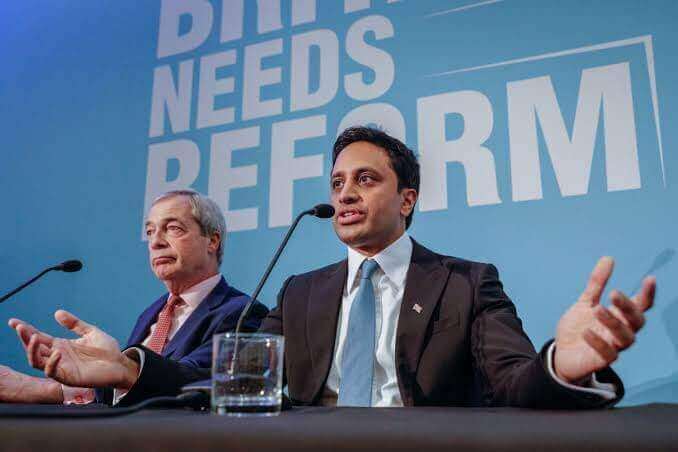
The party’s Home Affairs spokesman, Zia Yusuf, has formally proposed that the United Kingdom should cease the issuance of visas to citizens of countries currently demanding financial reparations for the historical transatlantic slave trade. This strategic pivot marks a significant escalation in the party's "Britain First" approach to global diplomacy and immigration control.
The proposal comes amidst a backdrop of increasing calls from several Caribbean and African nations for a formal apology and financial compensation from former colonial powers. Reform UK leadership argues that Britain’s historical role in pioneering the global abolition of slavery—and the subsequent economic costs incurred by the Royal Navy’s West Africa Squadron to enforce that prohibition—has been systematically overlooked in modern discourse.
Speaking to journalists, Zia Yusuf expressed a firm stance on the matter, stating that it is time to say enough is enough. He highlighted that Britain has provided approximately £6.6 billion in foreign aid over the past two decades to many of the very nations now seeking further compensation. Yusuf emphasized that the huge sacrifices made by Britain in abolishing and enforcing the prohibition of the slave trade are being ignored by those pursuing reparations.
The Economic and Diplomatic Implications-If implemented, this policy would primarily target members of the Caribbean Community (CARICOM), a bloc of 15 nations that has been vocal in its pursuit of a reparatory justice framework. This list includes nations such as Barbados, Jamaica, and the Bahamas. Additionally, several West African nations, including Ghana and Nigeria, have engaged in high-level discussions regarding historical accountability.
Regarding South Asia, while Bangladesh is a significant recipient of UK aid and maintains deep migration links, the nation has not historically been at the forefront of the organized reparations movement in the same manner as Caribbean states. However, the proposed Reform UK policy is designed as a blanket deterrent; any nation that formally enters a legal or diplomatic claim for slavery-related compensation would find its visa privileges immediately suspended under this mandate.
A New Direction for Foreign Aid- Beyond visa restrictions, the policy signals a broader intent to overhaul the UK’s foreign aid budget. Reform UK suggests that future financial assistance should be contingent on "diplomatic reciprocity." This would mean that nations receiving British taxpayer-funded aid would be expected to maintain a cooperative stance on historical issues and migration management.
Analysts suggest that the next phase of this policy rollout will focus on the legal mechanisms required to bypass existing human rights frameworks that might challenge such visa blocks. The party is expected to advocate for a "Sovereign Borders and History Act" in the coming months, which would codify the link between diplomatic conduct and immigration status into British law.
The focus now shifts to how the incumbent government and opposition parties will respond to this populist challenge. With the Commonwealth Heads of Government Meeting (CHOGM) on the horizon, the debate over reparations is expected to intensify. Reform UK intends to leverage this momentum to position itself as the sole defender of British historical integrity and taxpayer interests.
The party remains adamant that national policy must reflect the sentiment of the British public, who, according to party internal polling, are increasingly wary of open-ended historical liabilities. As the political landscape evolves, the link between "visas and values" is set to become a central pillar of Reform UK’s platform.